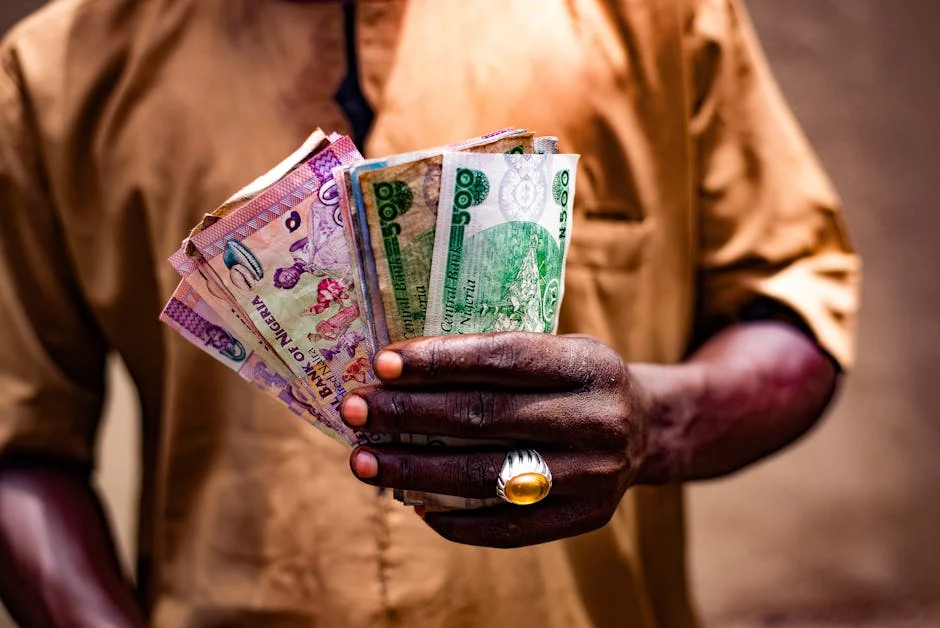
On October 26, 2023, European Central Bank (ECB) President Christine Lagarde announced that the bank would not commit to lowering interest rates despite ongoing economic uncertainties. This decision comes as Europe grapples with inflationary pressures, raising questions about how such monetary policies could affect African economies, particularly Nigeria.
Understanding the ECB's Decision on Interest Rates
The ECB's latest move is pivotal as it seeks to balance inflation control with economic growth. Lagarde emphasised the need for stability, stating, "We must ensure that our policies support the eurozone while being mindful of global economic interdependencies." As the ECB considers its next steps, the implications of these interest rates will extend beyond Europe, particularly affecting developing nations.

The Ripple Effect: How ECB Policies Impact African Economies
The decision to maintain high interest rates in Europe could have direct repercussions for African countries like Nigeria, particularly in terms of foreign investment and economic stability. With Nigeria still recovering from the impacts of the COVID-19 pandemic and grappling with inflation, the ECB's stance raises concerns regarding capital flows. High European interest rates may deter investments in African markets, further complicating the continent's development goals.
Nigeria's Economic Landscape in Focus
As the largest economy in Africa, Nigeria's financial landscape is sensitive to global economic shifts. High interest rates in Europe could lead to a stronger euro, making Nigerian exports less competitive. Additionally, Nigerian businesses reliant on foreign loans may face higher borrowing costs. This scenario raises critical questions about the sustainability of Nigeria's economic growth, especially as the nation aims to bolster its infrastructure and healthcare sectors.
Challenges and Opportunities in African Development
The current global financial environment presents both challenges and opportunities for African nations. While high interest rates could hinder growth, they also highlight the necessity for diversification and innovation within African economies. As countries face tightening financial conditions, there is an opportunity to invest in local industries, improve governance, and enhance education systems to foster self-sufficiency.
Future Watch: What to Expect from International Markets
As the global economic landscape evolves, African nations must remain vigilant. Analysts predict that if the ECB maintains its current course, African governments will need to adapt their economic policies accordingly. Stakeholders should monitor shifts in investment patterns and consumer confidence as they relate to international interest rates. How countries react to these changes could be pivotal in achieving the African Union's Agenda 2063 goals, which emphasise economic growth, infrastructure development, and improved health and education outcomes.