At least 46 people have died in Brazil's Minas Gerais State after severe floods triggered mudslides and debris flows, causing widespread destruction in numerous towns on 18 October 2023. This tragedy highlights the urgent need for effective disaster management strategies and infrastructure development, not only in Brazil but also in regions like Africa that face similar environmental challenges.
What Happened in Minas Gerais
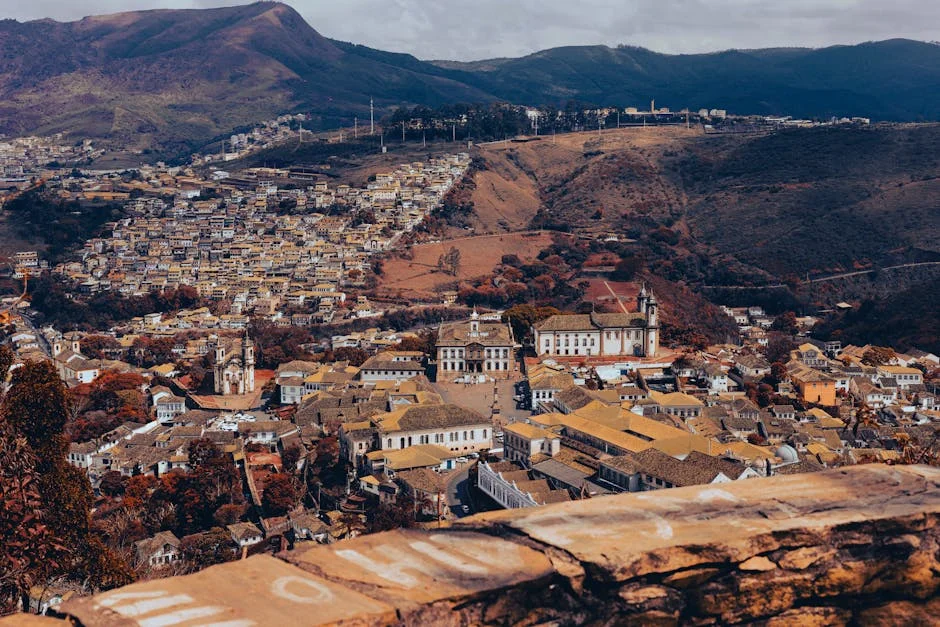
On 18 October 2023, a relentless downpour overwhelmed the region of Minas Gerais, leading to catastrophic flooding that has claimed the lives of dozens and displaced thousands. The local government has declared a state of emergency as rescuers search for survivors and assess the damage. Many homes have been buried under mud and debris, with towns such as Ouro Preto and Mariana being particularly hard hit. Emergency services have been mobilised to provide relief to those affected, but the scale of the disaster poses significant challenges.
Understanding the Broader Implications
This devastating event in Brazil serves as a stark reminder of the vulnerabilities faced by communities globally, including those in Africa. Weather-related disasters are increasingly common, driven by climate change, which exacerbates existing socio-economic challenges. For African nations striving to meet development goals, the floods in Minas Gerais underscore the importance of investing in resilient infrastructure and proactive disaster management systems.
Lessons for African Development
As African countries grapple with their unique set of challenges, including inadequate infrastructure, poor governance, and limited access to healthcare and education, the Brazilian floods provide critical insights. African nations need to prioritise building robust infrastructures that can withstand climatic shocks, a necessity for sustainable economic growth and social stability. For example, Nigeria, facing its own environmental challenges, could learn from Brazil’s disaster response strategies to fortify its infrastructure and emergency services.
Economic Growth and Governance Challenges
The recent events in Minas Gerais also spotlight governance issues that can exacerbate disaster impacts. Corruption and mismanagement can hinder effective response efforts, a challenge echoed in several African nations where governance structures are often weak. Strengthening institutions and fostering transparency are vital for ensuring that communities are equipped to respond efficiently to disasters.
Infrastructure Development as a Catalyst for Change
In the wake of the Brazilian floods, there is an opportunity for African leaders to re-evaluate their infrastructure development plans. Investments in resilient infrastructure—roads, bridges, and drainage systems—can mitigate the impact of floods and other disasters, ensuring that communities can recover more swiftly. Enhanced infrastructure not only addresses immediate concerns but also sets the stage for long-term economic growth, aligning with the African Union's Agenda 2063 goals.
What Comes Next: Opportunities for Collaboration
In light of the recent floods in Minas Gerais, there is a pressing need for international collaboration on climate resilience and disaster management. African nations can benefit from partnerships with Brazil and other countries that have faced similar challenges. Knowledge sharing and joint initiatives can lead to innovative solutions that bolster development goals across the continent.
The challenges faced by Brazil serve as a call to action for African countries to enhance their disaster preparedness and resilience strategies. As nations strive towards sustainable development, learning from global experiences and adapting these lessons to local contexts will be essential for achieving long-term socio-economic stability.