In a record-long State of the Union address, President Donald Trump painted a positive picture of the United States, highlighting economic growth and stability. Delivered before Congress on February 4, 2020, the speech resonated with themes that could have ripple effects on Africa, particularly Nigeria, as the continent grapples with its own development challenges.
Promises of Economic Prosperity
During the address, President Trump emphasised the lowest unemployment rates in decades and robust job creation figures, claiming that this economic boom is a direct result of his administration's policies. Notably, he stated that the US economy had added 7 million jobs since his election, a message aimed not only at American citizens but also at international audiences, including those in Africa.
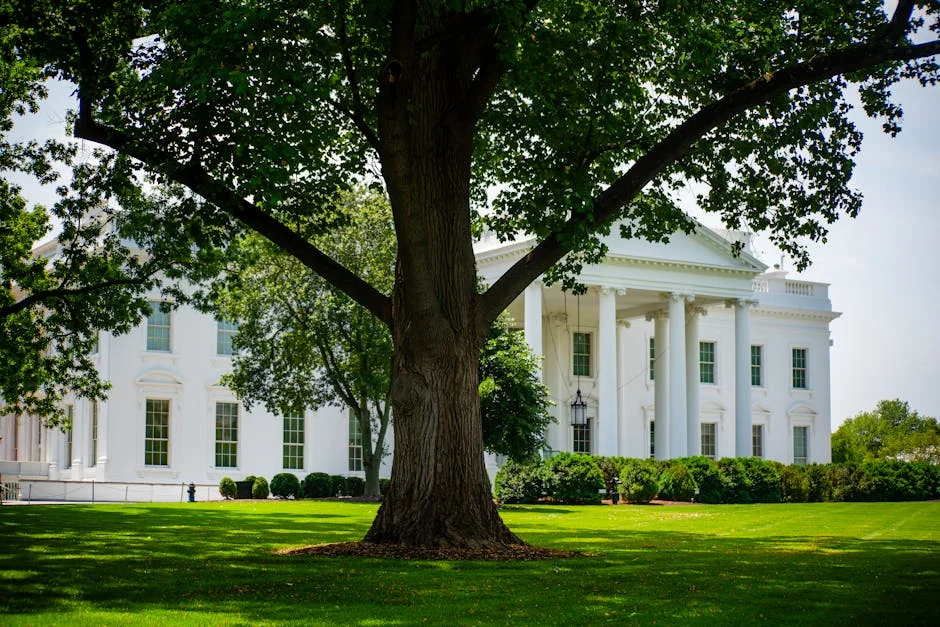
This narrative of economic success could influence perceptions of US engagement with African nations, particularly Nigeria, which has faced economic adversity, including fluctuating oil prices and high unemployment rates. If the US economy continues to thrive, it might open doors for increased trade, investments, and partnerships in sectors critical for Nigeria's growth.
A Call for Stronger Governance
Trump also called for robust governance, underscoring the need for countries to uphold democracy and rule of law. This is particularly relevant for African nations, where governance challenges often impede development efforts. The President's statements could encourage a renewed focus on governance reforms in Nigeria, where issues such as corruption and lack of accountability have hindered progress.
As Nigeria prepares for its upcoming elections, the implications of Trump's emphasis on governance could resonate with voters seeking effective leadership. Observers should monitor whether this international focus compels local leaders to prioritise transparency and governance reforms.
Health Initiatives and Global Cooperation
In his address, Trump highlighted advancements in healthcare, including initiatives to combat diseases such as HIV/AIDS. This focus aligns with the ongoing health challenges faced by African nations, including Nigeria, where healthcare infrastructure remains underdeveloped.
The potential for increased collaboration between the US and African countries on health initiatives is crucial, especially in response to threats such as the COVID-19 pandemic. By leveraging US resources and expertise, Nigeria and other African nations could enhance their healthcare systems, addressing both immediate needs and long-term health goals.
The Role of Education in Economic Growth
The President's remarks on the importance of education as a cornerstone of future growth resonate with Nigeria's ongoing struggles in the education sector. With millions of children out of school and a workforce that often lacks necessary skills, the relationship between education and economic progress cannot be overstated.
Investment in education could lead to a more skilled workforce, directly contributing to Nigeria's economic development. Partnerships with US educational institutions could provide valuable opportunities for knowledge transfer and capacity building, essential for meeting the African Union's Agenda 2063 goals.
What to Watch For: The Future of US-Africa Relations
As the world watches the unfolding political landscape in the US, it is crucial for African nations, particularly Nigeria, to remain engaged with the implications of US policies. Trump’s positive outlook might lead to stronger bilateral relations, but only if African leaders leverage these opportunities effectively.
In the coming months, stakeholders should watch for developments in US foreign policy towards Africa, particularly in trade, health, and education. Understanding how President Donald Trump affects Nigeria through these lenses will be vital for navigating the complexities of international relations and pursuing sustainable development goals.
By leveraging US resources and expertise, Nigeria and other African nations could enhance their healthcare systems, addressing both immediate needs and long-term health goals.The Role of Education in Economic GrowthThe President's remarks on the importance of education as a cornerstone of future growth resonate with Nigeria's ongoing struggles in the education sector. Observers should monitor whether this international focus compels local leaders to prioritise transparency and governance reforms.Health Initiatives and Global CooperationIn his address, Trump highlighted advancements in healthcare, including initiatives to combat diseases such as HIV/AIDS.