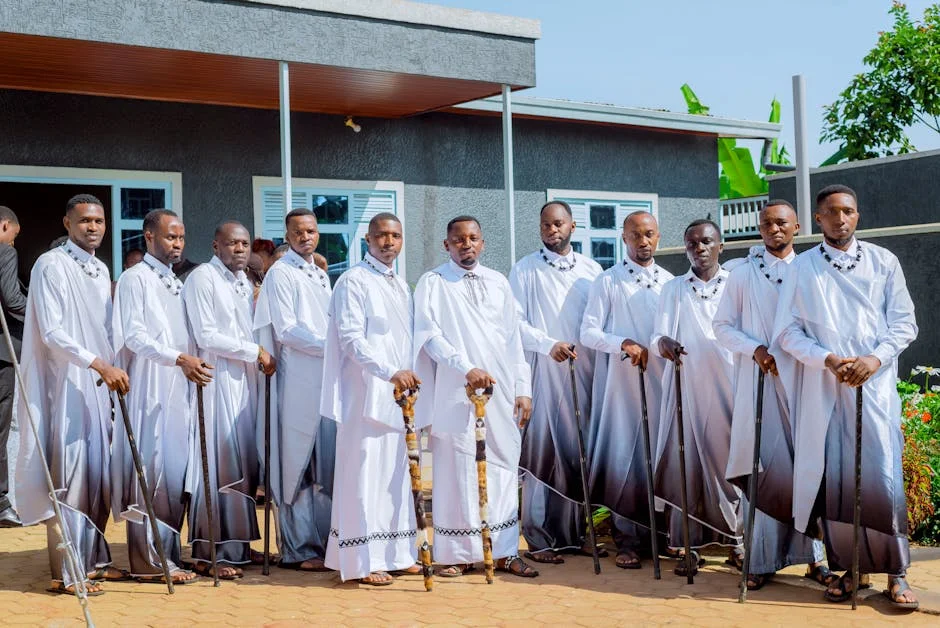
Lead paragraph: The village of Didi Chailuri in Georgia recently revived Berikaoba, an ancient pagan spring festival, attracting attention for its cultural significance and community spirit. This event, celebrated with traditional music, dance, and rituals, highlights the intersection of culture and development.
Context and Background
Berikaoba, deeply rooted in Georgian traditions, is a festival that marks the arrival of spring and celebrates nature’s renewal. Historically, such festivals have been crucial in fostering community bonds and preserving cultural heritage. In Africa, similar cultural events play a significant role in promoting national identity and social cohesion, particularly in the face of modernisation and globalisation.

Key Developments
The recent revival of Berikaoba in Didi Chailuri has seen villagers come together to celebrate their ancestry and cultural practices. The festival included vibrant displays of folk art and agriculture, symbolising prosperity and unity. This revival is not just about tradition but serves as a catalyst for local economic development and tourism.
Details and Evidence
According to local reports, the festival attracted over 1,000 visitors, boosting the local economy and providing a platform for artisans and farmers to showcase their products. Local officials noted a marked increase in tourism-related activities, with businesses reporting higher sales during the festival weekend. Such events exemplify how cultural heritage can stimulate economic growth, an essential aspect of sustainable development.
Analysis: African development and pan-African perspective
The revival of Berikaoba offers a pan-African perspective on the importance of cultural events in driving development goals. In many African nations, cultural heritage is often overshadowed by pressing economic and infrastructural challenges. However, leveraging cultural events can create opportunities for economic growth, enhance education through heritage programmes, and improve governance by fostering community engagement and participation. As African nations strive to achieve development goals, integrating cultural heritage into economic strategies can yield significant benefits.
Impact and Implications
The success of Berikaoba in Didi Chailuri has implications beyond Georgia. It serves as a model for African communities aiming to promote cultural heritage while addressing contemporary challenges. By investing in cultural events, African nations can enhance social cohesion, promote tourism, and create jobs. Furthermore, engaging youth in these cultural practices can lead to improved educational outcomes and foster a sense of belonging and pride in their heritage.
Outlook
As communities across Africa observe the revival of such cultural events, the focus will likely shift towards creating sustainable frameworks for their continuation. Experts suggest that governments and local organisations should collaborate to integrate these cultural practices into broader development plans. Observers will watch for how these initiatives affect community engagement and economic outcomes in the coming years. The revival of Berikaoba is a reminder that embracing and celebrating cultural heritage can play a crucial role in shaping the future of African development.
Frequently Asked Questions
What is the latest news about revival of berikaoba festival in georgia a cultural echo for africa?
Lead paragraph: The village of Didi Chailuri in Georgia recently revived Berikaoba, an ancient pagan spring festival, attracting attention for its cultural significance and community spirit.
Why does this matter for technology-innovation?
Historically, such festivals have been crucial in fostering community bonds and preserving cultural heritage.
What are the key facts about revival of berikaoba festival in georgia a cultural echo for africa?
The festival included vibrant displays of folk art and agriculture, symbolising prosperity and unity.
As African nations strive to achieve development goals, integrating cultural heritage into economic strategies can yield significant benefits.Impact and ImplicationsThe success of Berikaoba in Didi Chailuri has implications beyond Georgia. Experts suggest that governments and local organisations should collaborate to integrate these cultural practices into broader development plans.