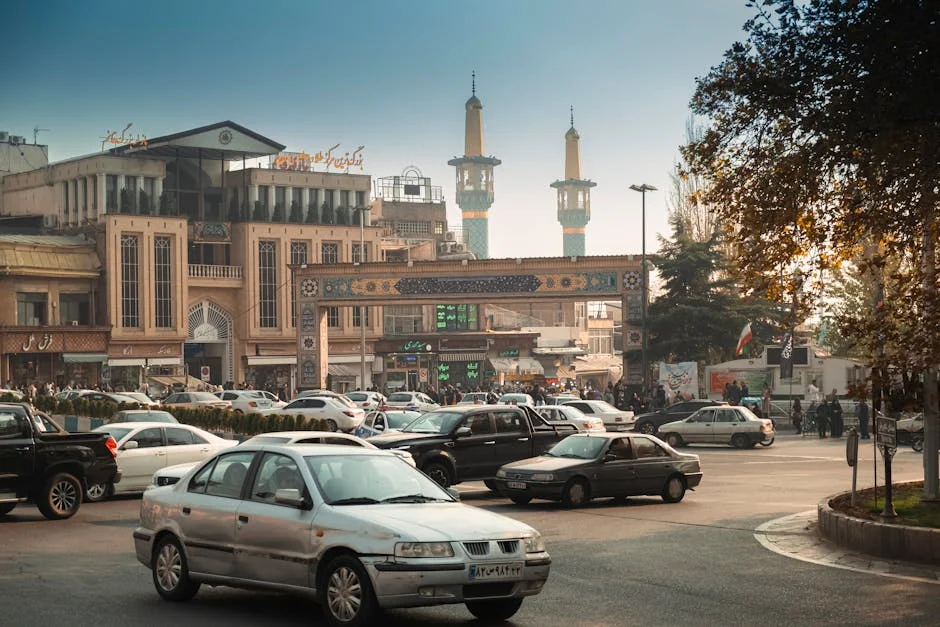
Worshippers in Tehran staged a massive rally following Friday prayers on October 20, 2023, demonstrating solidarity with Palestine amidst ongoing tensions in the region. The demonstration, organised by various religious groups, reflects the Islamic Republic's stance on foreign policy and its implications for countries like Nigeria.
Tehran's Rally: A Show of Solidarity
Thousands of worshippers gathered in Tehran after Friday prayers, voicing their support for Palestine and condemning Israel's actions. The rally featured speeches from prominent clerics, who urged the Iranian government to take a firmer stance against Israel. The event is part of a series of protests reflecting Iran's long-held position on the Palestinian issue, which has been a central theme in its foreign policy.
The Geopolitical Landscape: Iran, Israel, and Nigeria
This rally occurs against a backdrop of heightened tensions between Iran and Israel, with implications that extend to African nations, particularly Nigeria. As Iran seeks to assert its influence in the Middle East, its rhetoric and actions can impact regional stability, which resonates with Nigeria's challenges, especially in relation to economic and security concerns. The ongoing conflicts in the Middle East often have ripple effects, influencing political sentiments and alliances in Africa.
Iran's Impact on Nigeria: A Growing Concern
As Iran issues statements of support for Palestine, there is growing concern in Nigeria about the potential for increased sectarian tensions. Nigeria's diverse population includes significant Muslim communities, some of which might sympathise with Iran's positions. This could lead to shifts in public opinion and a rise in pro-Iran sentiments, impacting Nigeria's delicate socio-political landscape.
Economic and Developmental Ramifications
The Iranian-Israeli conflict, coupled with the ongoing struggles in the Middle East, has broader implications for African development goals. Nigeria, grappling with infrastructural deficits, healthcare challenges, and governance issues, could find its path to economic growth obstructed by regional instability. The focus should be on fostering unity and cooperation among African nations to address these continental challenges, ensuring that external conflicts do not derail progress.
What to Watch: Future Implications for Africa
As Iran continues to assert itself on the international stage, its influence in Africa, particularly in Nigeria, is one to watch. The intersection of foreign policy and domestic sentiments in Nigeria could lead to shifts in governance and economic strategies. The Nigerian government must navigate these complexities carefully to maintain stability and promote development amid external pressures.