As South Sudan grapples with ongoing conflict and humanitarian crises, the implications extend far beyond its borders. The situation has escalated over the past decade, affecting millions and posing significant challenges to regional stability and development across Africa.
Humanitarian Catastrophe: The Current Situation in South Sudan
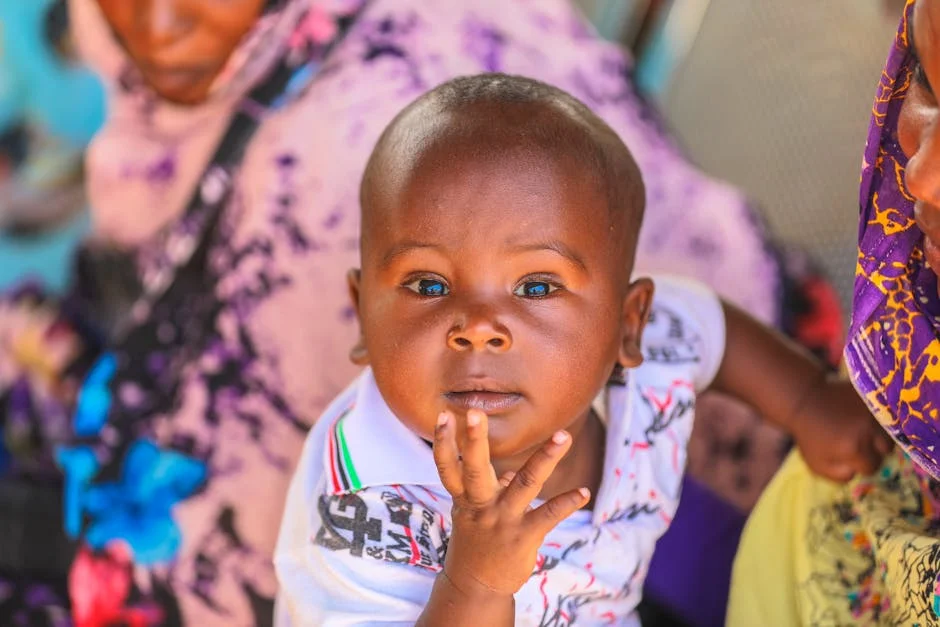
Since gaining independence in 2011, South Sudan has struggled with internal strife, leading to a humanitarian emergency that has displaced over 4 million people. The civil war, which erupted in 2013, has resulted in widespread violence, famine, and a breakdown of essential services. As of late 2023, the United Nations reports that approximately 7.76 million people in South Sudan require humanitarian assistance, emphasising the urgent need for intervention.
Governance Challenges: Political Instability and Corruption
The ongoing conflict in South Sudan is rooted in deep-seated political divisions and governance issues. The transitional government, formed in early 2020, has made little progress in addressing corruption and ensuring accountability. Analysts argue that without effective governance, the implementation of development initiatives remains severely hindered. This stagnation creates a cycle of poverty and insecurity, further complicating efforts to achieve the African Union's Agenda 2063 development goals.
Impacts on Regional Stability: How South Sudan Affects Neighbouring Nations
The instability in South Sudan poses a significant threat to regional security, particularly for neighbouring countries like Uganda and Sudan. The influx of refugees has strained resources and escalated tensions within these nations. Furthermore, the ongoing violence and lawlessness contribute to human trafficking and arms smuggling across borders. This situation highlights the interconnectedness of African nations and the need for collaborative solutions to promote stability and economic growth.
Development Opportunities Amidst Crisis: The Role of Infrastructure and Health
Despite the dire circumstances, there are opportunities to promote development in South Sudan. Investment in infrastructure, particularly in transport and healthcare, is critical for both humanitarian relief and long-term growth. The African Development Bank has initiated projects aimed at improving access to roads and healthcare facilities, which could enhance trade and foster economic recovery. However, these efforts require a secure environment and strong governance to be successful.
The Broader Implications for Africa: What This Means for Nigeria and Beyond
The crisis in South Sudan serves as a stark reminder of the challenges faced by many African nations. Countries like Nigeria, which are witnessing their own governance and security struggles, can learn from South Sudan’s experiences. The urgency to address issues such as corruption, infrastructure deficits, and healthcare access is paramount for achieving sustainable development across the continent. As African nations strive to meet the Sustainable Development Goals, the interconnectedness of their fates must not be overlooked.