Trust in digital currencies is driving Nigeria's cryptocurrency boom, alongside the thriving local gadget trade with China, according to recent reports. The relationship between Nigerian consumers and Chinese suppliers has grown significantly over the years, with trust playing a pivotal role in the success of both industries.
Nigeria's Digital Currency Revolution
The surge in Nigeria’s adoption of cryptocurrencies is not just a testament to technological advancement but also to the growing trust among Nigerians in digital assets. According to a report by The Conversation Africa, the country now ranks as one of the top users of cryptocurrencies globally. This trust has been bolstered by the stability and reliability of transactions within the blockchain network, which contrasts sharply with the volatility often seen in traditional financial systems.
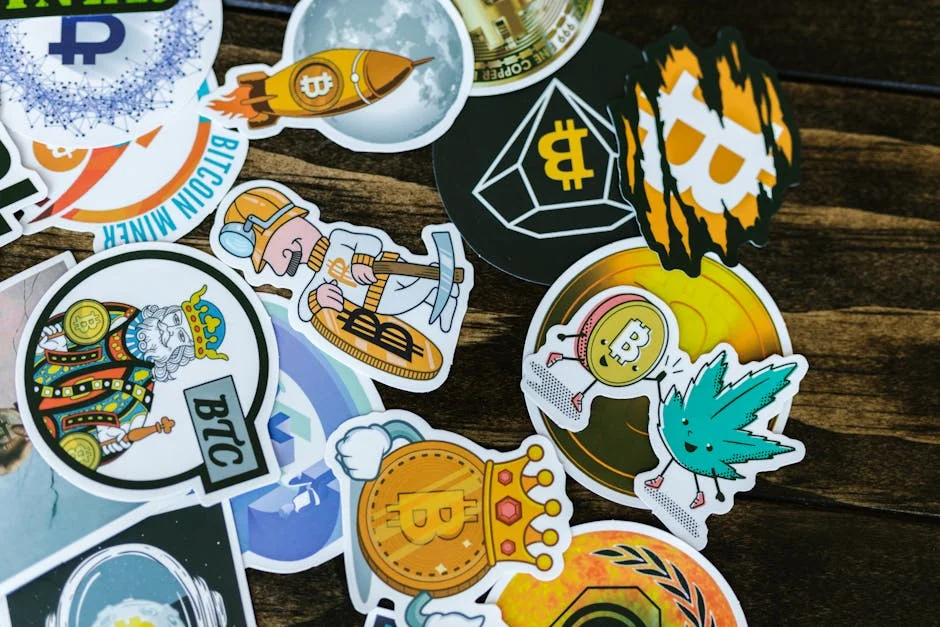
The Nigerian government has taken notice, with plans to introduce its own digital currency, the e-Naira, aimed at further integrating cryptocurrencies into the mainstream economy. However, the journey towards full acceptance has faced hurdles, including regulatory challenges and concerns about security.
The Local Gadget Trade with China
Parallel to the rise of cryptocurrencies, Nigeria’s local gadget trade with China has flourished, driven by the robust trust between Nigerian consumers and Chinese suppliers. Guangzhou, a major hub for electronics manufacturing, has become a significant source for smartphones, laptops, and other gadgets sold in Nigerian markets, particularly in Lagos.
This trade relationship has deep historical roots. Since the 1980s, Chinese traders have established themselves in Lagos, setting up shops and building networks that facilitate the import and sale of goods. Today, the trade extends beyond electronics to include fashion items, construction materials, and more.
The Role of Trust in Economic Growth
Trust is a critical component in both the cryptocurrency and gadget trades. For cryptocurrencies, it ensures that users feel secure making transactions and storing their assets, while in the gadget trade, it guarantees that products meet quality standards and are delivered as promised. In both cases, trust fosters confidence and encourages investment, which is crucial for economic growth.
In the context of African development goals, fostering trust in emerging technologies and international trade partnerships can accelerate economic progress. By leveraging trust, Nigeria can position itself as a leader in adopting innovative solutions and strengthening regional economic ties.
Challenges and Opportunities
Despite the promising trends, Nigeria faces significant challenges. Regulatory frameworks need to evolve to keep pace with technological advancements and protect consumers from potential risks. Additionally, ensuring transparency and accountability in the supply chain of imported goods is essential to maintain trust.
Opportunities abound, however. Strengthening trust through improved regulations and consumer protection can enhance Nigeria’s reputation as a reliable market. Furthermore, expanding trade partnerships and investing in digital literacy could unlock new avenues for economic growth and development.
Looking Ahead
As Nigeria continues to navigate its path towards greater economic integration and technological adoption, the role of trust cannot be overstated. Building robust trust mechanisms will be key to overcoming current challenges and seizing future opportunities. This includes fostering a supportive regulatory environment, enhancing digital literacy, and reinforcing trade relationships.
With continued efforts to strengthen trust in both the cryptocurrency and gadget trades, Nigeria stands poised to achieve significant strides in its development goals, contributing positively to the broader African continent’s economic landscape.