In a recent update on the developments in Iran, former President Donald Trump described Khamenei's son as a 'lightweight' while advocating for a significant US role in determining the country's next leadership. This statement comes amidst escalating tensions and military operations in the region, notably Operation Epic Fury, involving the Air Force and Israeli forces.
US Air Force's Strategic Role in West Asia
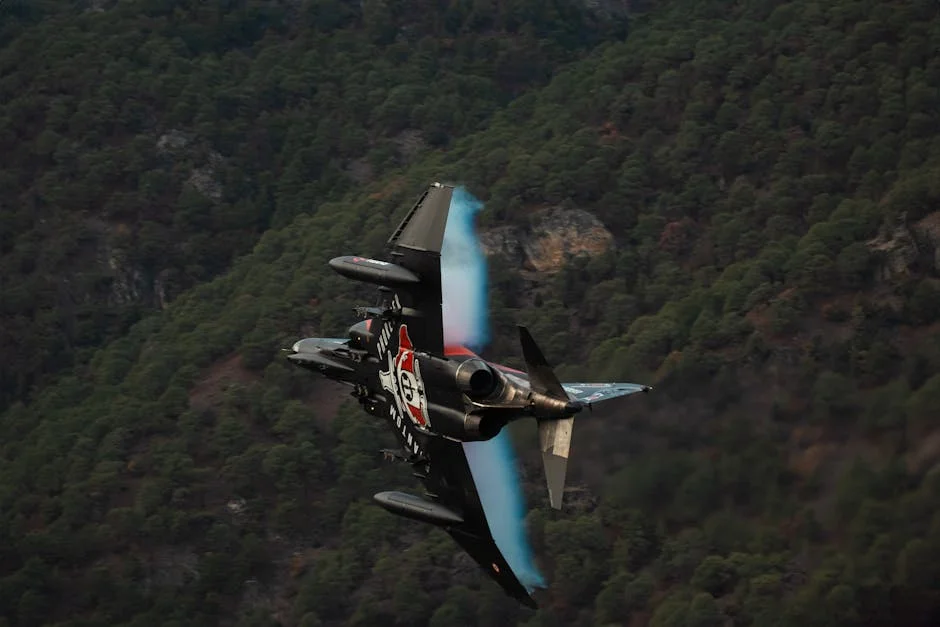
The US Air Force has been pivotal in shaping military strategies in West Asia, particularly in response to Iran's regional activities. Trump's call reflects a desire for a proactive stance in influencing geopolitical dynamics, emphasizing the importance of military readiness and strategic partnerships. The ongoing operation, dubbed Epic Fury, showcases the Air Force's capabilities in joint operations with Israeli forces, aimed at countering perceived threats from Iran.
The Implications of US Involvement in Iranian Leadership
Trump's insistence on a US role in selecting Iran's leadership raises important questions about foreign intervention and its consequences. Historically, US involvement in Middle Eastern politics has been met with mixed results, often leading to unrest and instability. However, from an African development perspective, this situation presents both challenges and opportunities for the continent, particularly in governance and economic growth.
How African Nations Can Learn from the Iranian Situation
As African nations strive for development, the lessons from Iran’s volatility may offer crucial insights. Effective governance remains a cornerstone of sustainable development goals. Countries grappling with leadership crises can draw parallels with Iran's situation, highlighting the importance of democratic processes and citizen engagement. For instance, Nigeria, with its own struggles around leadership and governance, can benefit from analysing how the US and Israel navigate their regional challenges.
Potential Economic Consequences for Africa
The geopolitical shifts resulting from the US's involvement in Iran could have ripple effects across Africa. As nations in West Asia engage in military operations, global oil prices may fluctuate, impacting economies reliant on oil imports. Countries like Nigeria, which depend heavily on oil revenue, must remain vigilant about external influences that could destabilise their economic frameworks. Understanding the interplay between military operations and economic health is crucial for African leaders.
The Role of Education and Health in Shaping Future Leaders
Education and health are pivotal in fostering a new generation of leaders capable of navigating complex geopolitical landscapes. African nations must invest in these sectors to cultivate informed citizens who can engage in governance and contribute positively to development goals. As Trump discusses leadership in Iran, it serves as a reminder for African nations to focus on nurturing local talent and ensuring robust educational systems that empower future leaders.
What Lies Ahead for US-Iran Relations and its African Impact
The future of US-Iran relations remains uncertain, with potential consequences for global stability. For Africa, the implications could be significant, especially regarding trade and diplomatic relations with Western powers. Observers should monitor how these developments influence African economies and governance structures, preparing for adaptive strategies that align with continental challenges and opportunities.