President Donald Trump has called on more countries to join the United Kingdom and China in sending naval vessels to protect the strategic Strait of Hormuz. This move is significant as it not only addresses geopolitical tensions but also highlights the importance of maritime security for global trade and economic stability, which is crucial for African nations.
Trump Seeks Enhanced Maritime Security in Strait of Hormuz
President Trump expressed his desire for additional nations to contribute to the protection of the Strait of Hormuz, a vital waterway through which a significant portion of the world's oil passes. The US President’s call comes at a time when tensions in the Middle East have been heightened due to recent confrontations between Iran and the United States.
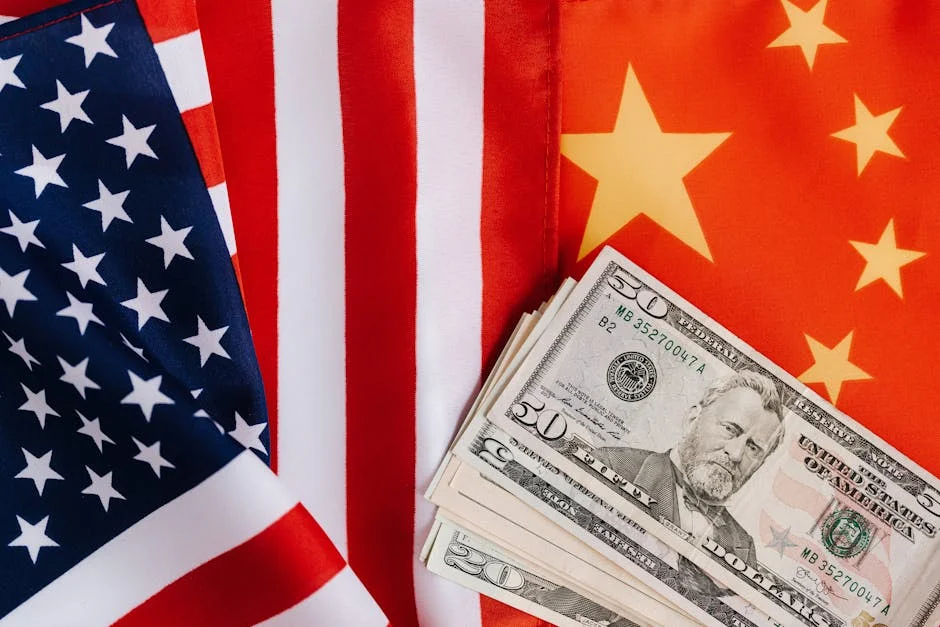
The inclusion of both the United Kingdom and China in this effort underscores the complex international relationships that exist beyond traditional alliances. Both countries have shown willingness to support this initiative, reflecting their shared interest in maintaining stability in global trade routes.
Africa's Dependence on Global Trade Routes
Africa relies heavily on global trade routes, including those passing through the Strait of Hormuz, for the import and export of goods such as crude oil, manufactured products, and agricultural commodities. Any disruption to these routes can have a profound impact on the continent's economy and its development goals.
The involvement of major powers like the United Kingdom and China in securing these routes is therefore of great importance to African nations, as it helps to ensure the smooth flow of commerce and supports their ongoing efforts towards economic growth and regional integration.
Economic Growth and Stability in Africa
The stability provided by secure maritime routes contributes significantly to economic growth in Africa. By safeguarding these crucial passages, the participating nations are helping to create an environment conducive to investment and trade, which are essential components of Africa’s development strategy.
In addition, the presence of multiple nations in the protection of the Strait of Hormuz can foster cooperation and partnerships among them, potentially leading to new opportunities for collaboration and mutual benefit, including in areas such as technology transfer and infrastructure development.
Making the Most of Pan-African Opportunities
African leaders see this as an opportunity to strengthen ties with countries involved in the Strait of Hormuz protection, leveraging their strategic location and natural resources to attract further investment and technological advancements.
Furthermore, the involvement of key players like China and the United Kingdom in maritime security initiatives can serve as a model for similar collaborative efforts in other sectors, such as healthcare, education, and governance, which are critical for Africa's continued progress.
Looking Ahead: What to Watch Next
The success of this maritime security initiative will be closely watched by African nations and could influence future collaborations and partnerships. As the situation in the Strait of Hormuz evolves, so too might the roles and contributions of the participating nations, potentially opening up new avenues for African development and growth.
With ongoing geopolitical shifts and economic dynamics, the ability of African countries to navigate these changes and seize opportunities will be pivotal in achieving their long-term development goals and fostering prosperity across the continent.