Ethiopia's Tigray rebels have issued a stark warning, claiming the federal government is gearing up for a renewed military offensive in the northern Tigray region. This alarming development comes amidst ongoing tensions that have persisted since the conflict erupted in late 2020, raising concerns over regional stability and the implications for broader African development goals.
Escalating Tensions in Northern Ethiopia
The Tigray People's Liberation Front (TPLF) has accused the Ethiopian government of mobilising troops and resources in preparation for an assault on Tigray. Following a ceasefire agreement in 2022, the fragile peace has been under constant threat as accusations from both sides continue to escalate.
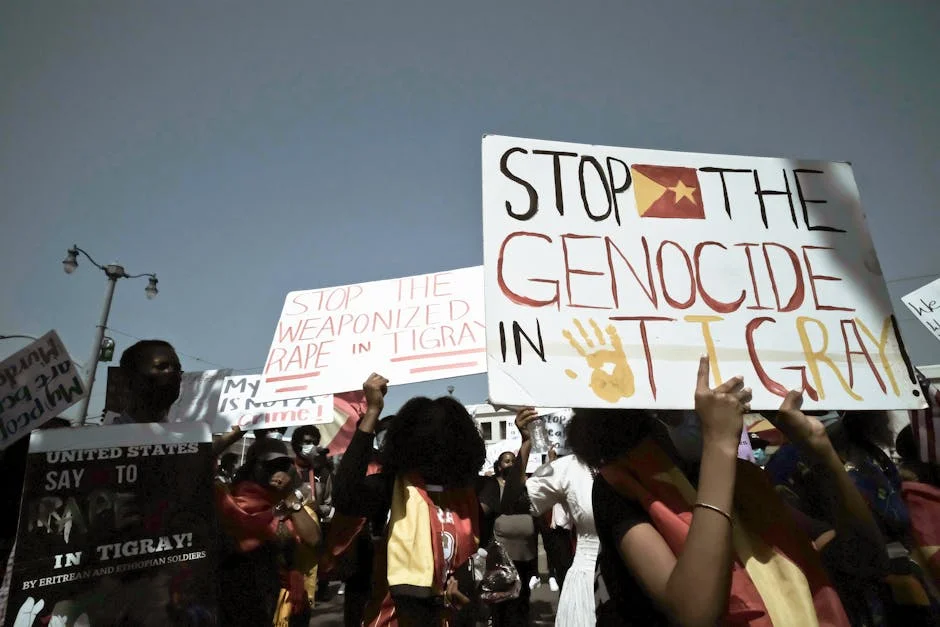
This new threat of conflict has the potential to further destabilise an already volatile region, impacting millions of civilians who have suffered from the humanitarian crisis resulting from the previous fighting.
The Humanitarian Crisis: A Call to Action
The ongoing conflict has led to widespread famine and displacement, with reports indicating that over five million people in Tigray are in urgent need of humanitarian assistance. The potential for renewed hostilities may exacerbate these dire conditions, making it crucial for international and regional actors to intervene and support peace efforts.
As Ethiopian leaders prepare for what they describe as a necessary military strategy, the humanitarian implications cannot be overstated. A robust response is needed from the African Union and other stakeholders to ensure the protection of civilians and the delivery of essential services.
Africa’s Development Goals at Risk
This conflict poses significant challenges to the African Union's Agenda 2063, which aims to promote peace, stability, and sustainable development across the continent. Ethiopia, being one of the largest countries in the Horn of Africa, plays a pivotal role in regional stability and economic collaboration.
With the potential for renewed conflict, progress towards achieving the Sustainable Development Goals (SDGs) is threatened, particularly in areas such as education, health, and infrastructure. The repercussions of unrest in Ethiopia could reverberate throughout West Africa, directly affecting nations like Nigeria.
How Ethiopia’s Situation Affects Nigeria and Beyond
As one of Africa’s most populous nations, Nigeria closely watches developments in Ethiopia. Instability in Ethiopia could weaken regional trade ties and security collaborations essential for combating issues like terrorism and human trafficking. Nigeria has often relied on Ethiopia’s leadership within the African Union for guidance on security matters, and a new conflict could derail these cooperative efforts.
Furthermore, Nigeria’s economic growth is intertwined with a stable Horn of Africa. Disruptions in trade routes and agricultural supplies can lead to increased commodity prices, directly impacting Nigerian consumers and businesses.
Consequences for Regional Governance and Future Prospects
The Ethiopian government’s military preparations signal a troubling trend in governance that prioritises military might over dialogue. Such an approach may alienate communities in Tigray and exacerbate grievances, making long-term peace elusive. As the situation develops, observers must monitor how regional leaders respond to this growing crisis.
What happens next in Ethiopia will likely be a litmus test for broader governance issues across Africa. The need for inclusive political solutions that address the root causes of conflict is more critical than ever. The international community must play a proactive role in supporting peace initiatives that resonate with the aspirations of the Ethiopian people.