Sushila Karki, Nepal's first female Prime Minister, has announced a return to the polls following a significant uprising among the country’s Gen-Z population. This political shift comes as citizens demand better governance and accountability in a nation grappling with political instability.
Gen-Z Mobilisation Forces Political Change
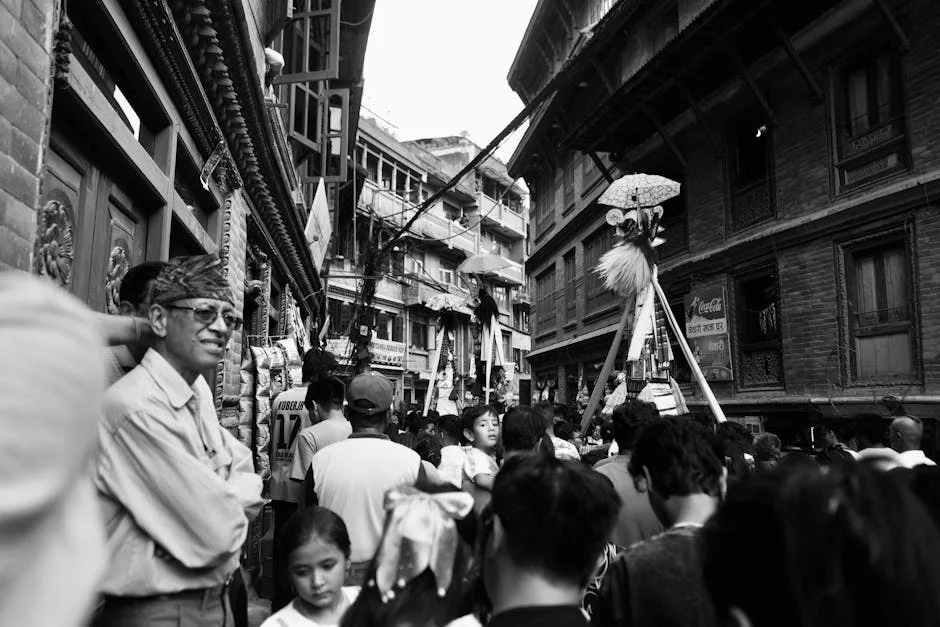
The recent protests led by Nepal's youth, primarily from the Generation Z cohort, have catalysed a political revolution. Discontent with the existing governance structure and a call for systemic reforms prompted Karki to take decisive action. The protests, which began earlier this year, were fueled by frustrations over unemployment, education quality, and corruption.
Sushila Karki: A Pioneering Leader in Turbulent Times
Sushila Karki, who made history as Nepal’s first female Prime Minister, has emerged as a figure of hope amid chaos. Her leadership represents a significant shift in a traditionally male-dominated political landscape. Karki’s administration is now focused on addressing the demands of the youth, and the upcoming elections are viewed as a litmus test for her government’s credibility and commitment to reform.
Nepal's Political Landscape: A History of Instability
Nepal has a long history of political strife, characterised by a transition from monarchy to federal democratic republic in 2008. However, frequent changes in leadership and political fragmentation have hampered development efforts. The recent Gen-Z revolt reflects a generational shift in priorities, with young voters increasingly asserting their influence in shaping the country's future.
Implications for Development Goals in Africa
Nepal’s experience resonates with many African countries facing similar challenges, including governance issues, youth unemployment, and demands for greater representation. As nations across the continent strive to meet the African Union’s Agenda 2063 goals, the case of Nepal offers valuable lessons on the power of youth mobilisation and the importance of inclusive governance.
What’s Next for Nepal and the Region?
As the political landscape in Nepal continues to evolve, Karki’s government is under pressure to deliver tangible results. The upcoming elections will determine not only the future of her administration but also the trajectory of Nepal’s commitment to reform. Observers will be watching closely to see how Karki navigates these challenges and whether her leadership can inspire similar movements in Africa, where youth-driven change is increasingly vital.