Nigeria faces a dual crisis as climate change-induced flooding worsens health risks from superbugs. Recent reports highlight how severe weather patterns are not only devastating infrastructure but also creating ideal conditions for antibiotic-resistant bacteria to flourish. This convergence of environmental and health challenges could derail Nigeria's developmental goals.
Flooding Worsens Health Risks in Nigeria
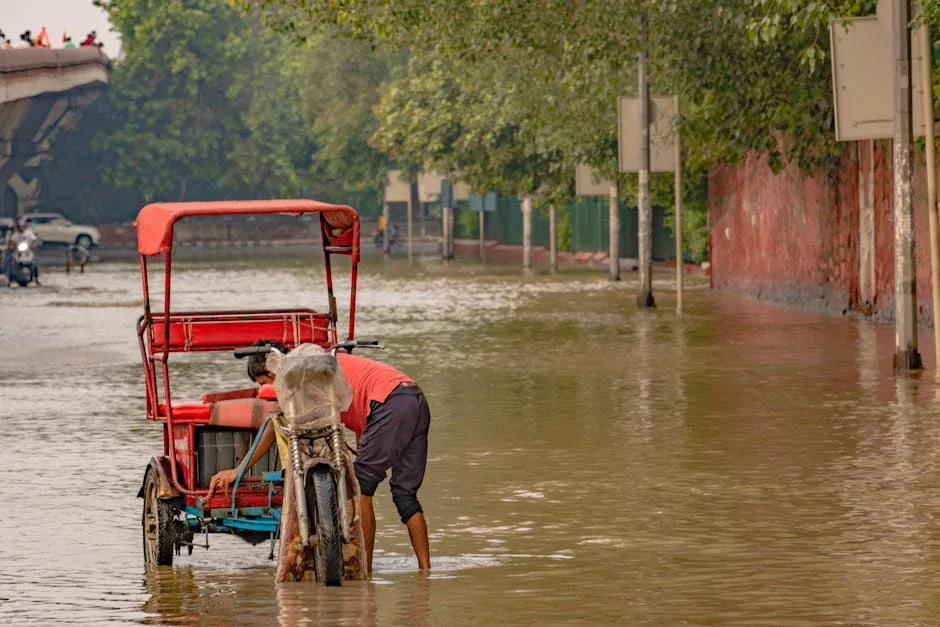
Flooding has become an increasingly common occurrence in Nigeria, with the National Emergency Management Agency (NEMA) reporting a 40% rise in flood incidents over the past decade. Recent events, particularly in the northern states, have led to significant displacement of communities and infrastructure damage. With stagnant water accumulating in these areas, the proliferation of superbugs—bacteria resistant to antibiotics—has surged, posing a serious threat to public health.
The Link Between Climate Change and Superbugs
Research indicates that climate change, through its impact on temperature and precipitation patterns, is a significant driver of antibiotic resistance. Flooding not only creates breeding grounds for bacteria but also complicates efforts to manage waste and sanitation. Consequently, the World Health Organization (WHO) warns that the combination of flooding and superbugs could lead to higher rates of infections, particularly in vulnerable populations such as children and the elderly.
Consequences for Nigeria’s Development Goals
The health crisis triggered by flooding and the rise of superbugs threatens to undermine Nigeria's progress towards the Sustainable Development Goals (SDGs). Goal 3, which aims to ensure healthy lives and promote well-being for all, is particularly at risk. If left unaddressed, the increasing burden of infections could overwhelm Nigeria's already strained healthcare system, hinder economic growth, and exacerbate inequalities in health access.
Opportunities for Integrated Solutions
Despite these challenges, there are opportunities for Nigeria to address these interlinked crises effectively. Investment in resilient infrastructure, improved sanitation, and robust healthcare systems can help mitigate the impacts of flooding while combating the rise of superbugs. Moreover, integrating climate action with health initiatives can create a more sustainable approach that aligns with both environmental sustainability and public health objectives.
Looking Ahead: What to Watch For
As Nigeria grapples with the consequences of flooding and superbugs, stakeholders must remain vigilant. Continued monitoring of water quality and the spread of antibiotic-resistant infections will be crucial. Furthermore, the government, in collaboration with international partners, should prioritise funding for climate-resilient health infrastructure to ensure that communities are better equipped to handle future flooding events and their associated health impacts.