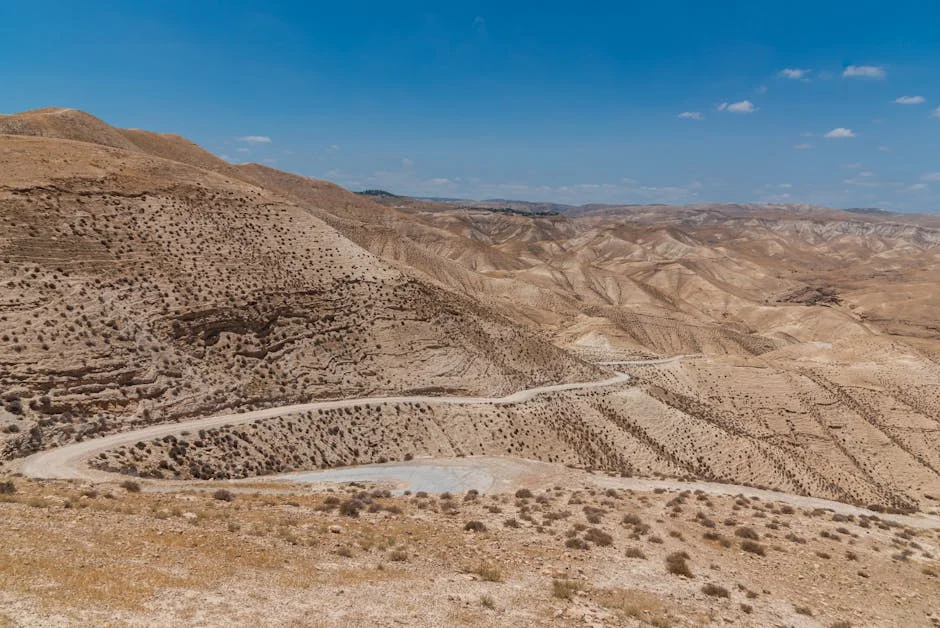
The death toll from a surprise attack in South Sudan has surged to 178, local officials confirmed on Saturday. The assault occurred in the northern region of Unity State, where intercommunal violence has escalated amid ongoing political instability and humanitarian crises.
Widespread Violence and Its Consequences
The attack, which targeted a civilian gathering, has shocked the already fragile nation, raising concerns over security and governance. South Sudan has been plagued by conflict since its independence in 2011, with various factions vying for power while ordinary citizens face dire living conditions.
The Medical Response: Challenges and Innovations
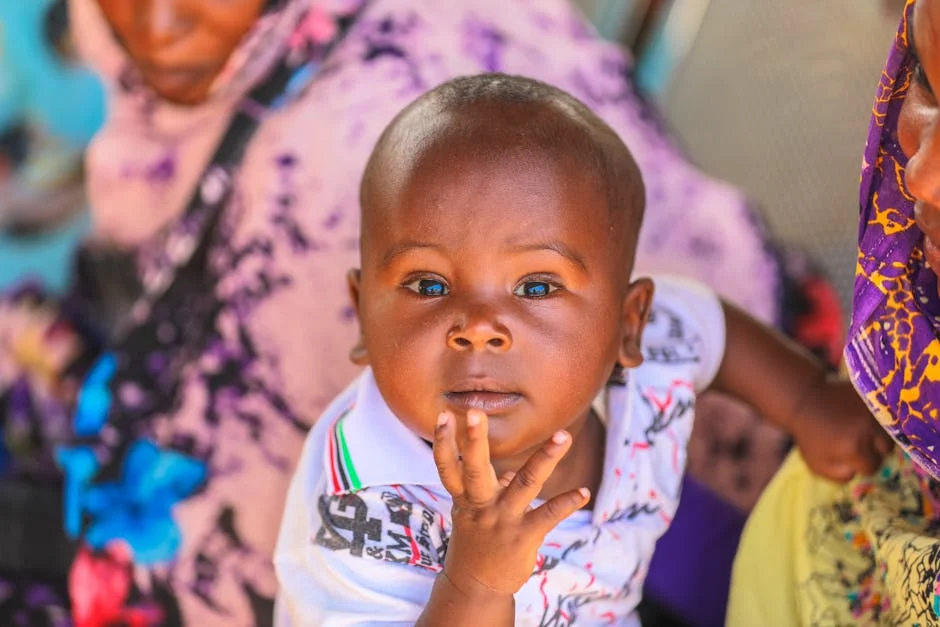
In the aftermath of the attack, medical facilities in Unity State have been overwhelmed with casualties. Local health systems, already strained by years of conflict, struggle to provide adequate care. This situation underscores the urgent need for medical technology updates and better healthcare infrastructure, which have been called for in recent development frameworks.
South Sudan's Development Goals in Jeopardy
The ongoing violence and its repercussions pose significant challenges to the African development goals set for South Sudan, particularly those concerning health, education, and governance. The attack highlights the critical need for stability to allow for sustainable development initiatives, which are essential for improving the quality of life for South Sudanese citizens.
International Community's Role and Future Actions
The international community is urged to respond swiftly to this humanitarian crisis, as the situation in South Sudan continues to deteriorate. Humanitarian aid is crucial, but long-term solutions require a focus on governance reform and economic growth to address the root causes of conflict. Observers believe that enhanced medical developments, particularly in primary healthcare, could play a pivotal role in restoring faith in the system.
The Path Forward for South Sudan
As South Sudan grapples with the immediate aftermath of this tragic event, it is vital for leaders to reflect on the pressing need for peace and development. Initiatives aimed at conflict resolution, coupled with investments in infrastructure and health, could pave the way for a more stable and prosperous future. For now, the nation stands at a crossroads, waiting for decisive action to break the cycle of violence and despair.