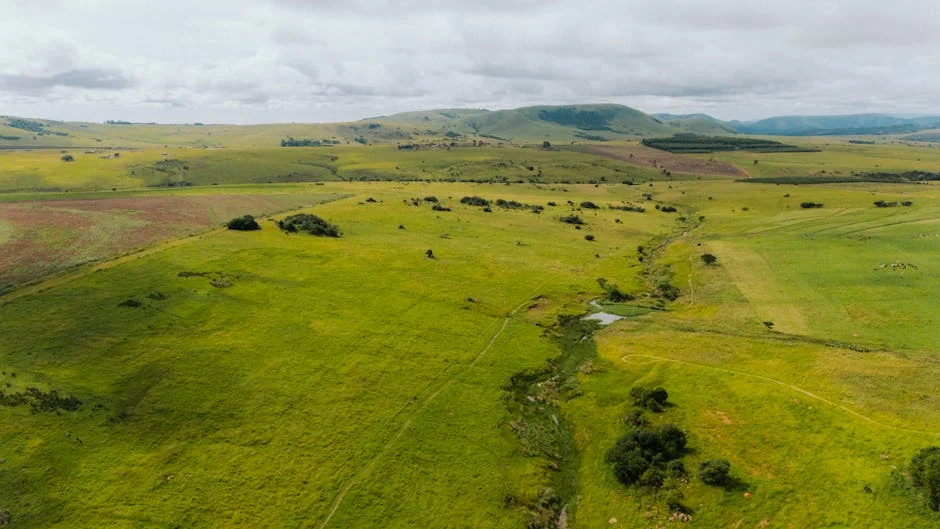
The South African Weather Service (SAWS) has issued a warning for severe thunderstorms in Limpopo, effective Tuesday. Isolated showers are expected across other regions, raising concerns about the impact on local agriculture and infrastructure.
Severe Thunderstorm Alerts for Limpopo
On Tuesday, the SAWS alerted residents of Limpopo to prepare for severe thunderstorms that could lead to flash floods and damaging winds. This warning follows a series of unpredictable weather patterns affecting southern Africa, which have heightened the urgency for effective disaster management strategies.

Why This Weather Matters for Development
Extreme weather events, like the severe thunderstorms forecasted for Limpopo, have significant implications for African development goals, particularly in agriculture and infrastructure. Agriculture remains the backbone of many African economies, and adverse weather can severely disrupt food production, leading to food insecurity. The unpredictability of weather patterns challenges farmers' abilities to plan planting and harvesting schedules.
Impacts on Health and Infrastructure
Severe weather can exacerbate health crises, particularly in regions with limited healthcare infrastructure. Flooding from thunderstorms can lead to waterborne diseases, posing risks to vulnerable populations. Furthermore, infrastructure, such as roads and bridges, may suffer damage, further complicating access to essential services. The need for resilient infrastructure has become more pressing as climate change continues to manifest through severe weather events.
Opportunities for Governance and Economic Growth
In light of these challenges, there are opportunities for governments to enhance their governance frameworks and invest in resilient infrastructure. By prioritising climate adaptation strategies, nations can mitigate the risks associated with severe weather and bolster economic growth. Increased investment in weather forecasting and disaster response capabilities can improve resilience and reduce the long-term economic impacts of such events.
Conclusion: What to Watch For Next
As the SAWS continues to monitor the situation in Limpopo and across South Africa, residents and local authorities must stay informed. The severe developments explained in this weather update highlight the intricate link between climate, development, and governance in Africa. Stakeholders should prepare to respond appropriately to the forecasted conditions while considering longer-term strategies to address the underlying vulnerabilities in their communities.