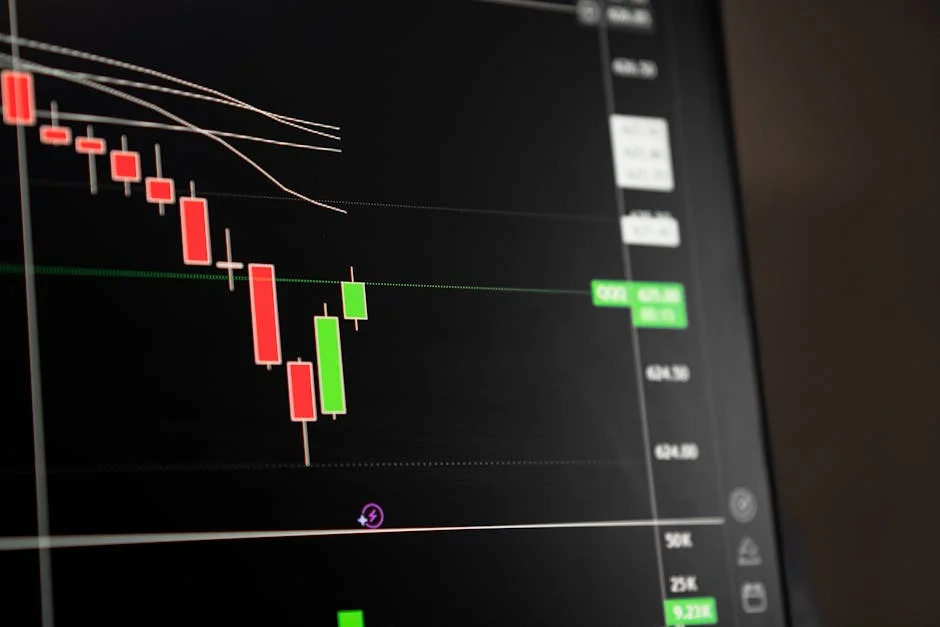
South African consumers are bracing for financial instability as the government warns that recent fuel price hikes threaten their economic wellbeing. The price of petrol surged by 50 cents a litre on the first of the month, raising concerns about inflation and the cost of living for millions.
Fuel Price Hikes Fuel Inflation Concerns
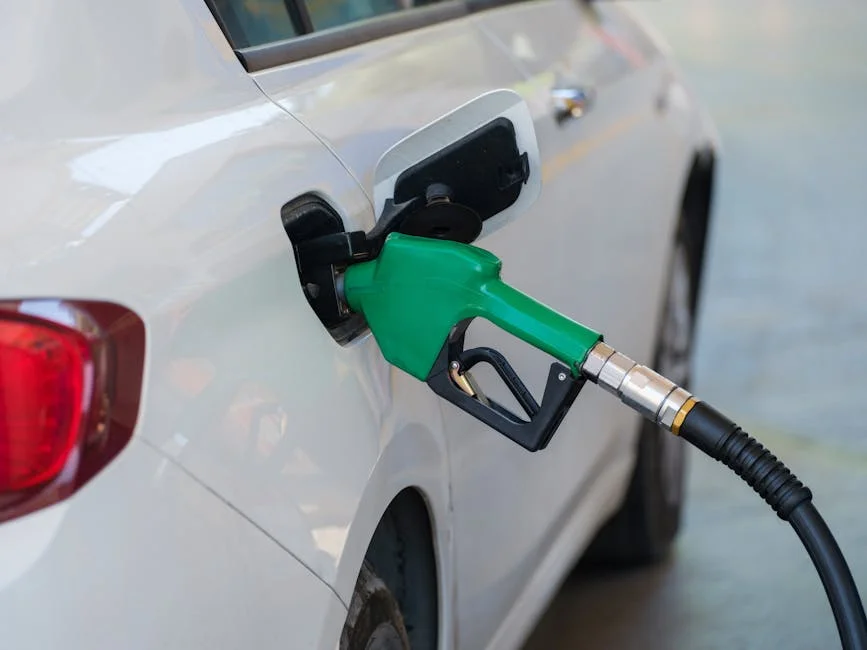
The latest fuel economy update reveals that South Africa's petrol price has reached an all-time high, now averaging around R26.74 per litre. This increase is attributed to a combination of global oil price fluctuations and local economic pressures, including a weakened rand. As a result, consumers are feeling the pinch, especially those in low-income brackets, who spend a larger proportion of their income on transportation and basic goods.
Impact on Daily Life and Economic Growth
The South African analysis indicates that higher fuel prices are likely to exacerbate existing economic challenges. Transport costs rise, impacting the prices of food and other essential goods. Small businesses, which are vital for economic growth and job creation, may face increased operational costs, potentially leading to downsizing or closure. The government must consider measures to cushion the impact on vulnerable communities to align with African development goals.
Government Response and Possible Solutions
In response to the crisis, South Africa's government has initiated discussions on possible subsidies or tax relief for low-income households. However, critics argue that these measures may not be sufficiently robust to tackle the ongoing issues. Furthermore, the South African government is urged to invest in public transport systems to reduce dependence on personal vehicles, which could help improve the fuel economy in the long run.
Continental Challenges and Opportunities
This situation is not unique to South Africa; many African nations are grappling with similar fuel price issues due to global market volatility. Countries like Nigeria and Kenya are also experiencing fuel-related inflation, highlighting the need for a continent-wide strategy to manage these challenges. Collaborative efforts across Africa could lead to a more resilient fuel economy and better management of resources, ultimately supporting sustainable development across the continent.
Looking Ahead: What Consumers Should Watch For
As the situation unfolds, consumers should stay informed about potential government interventions and how these might affect their daily lives. Experts suggest that maintaining awareness of global oil trends and local economic indicators will be crucial for South Africans in navigating these turbulent times. The need for comprehensive policies that address economic disparities and support vulnerable populations has never been more urgent, making this a pivotal moment for South African governance and development.