South Africa has seized four Chinese fishing vessels that were found to be operating illegally within its Exclusive Economic Zone (EEZ), marking a significant step towards asserting control over its maritime resources and setting an example for other African nations.
Maritime Sovereignty Asserted
The interception of the Chinese vessels by South African authorities highlights the importance of protecting national maritime boundaries. This action not only upholds South Africa's sovereignty but also sets a precedent for other African countries to assert their rights over their EEZs. By taking a firm stance against illegal fishing, South Africa demonstrates its commitment to sustainable resource management and economic development.
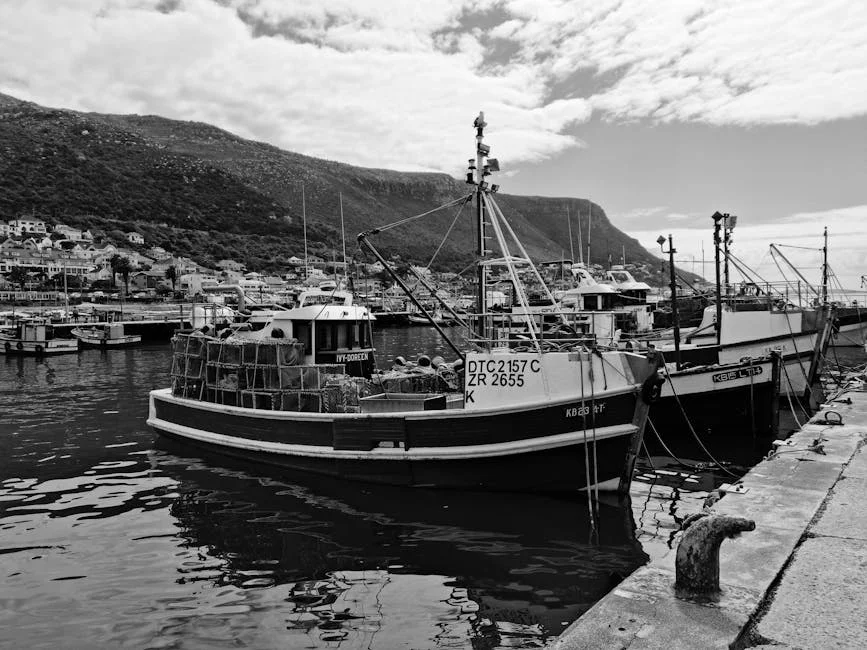
According to the United Nations Convention on the Law of the Sea (UNCLOS), a country’s EEZ extends up to 200 nautical miles from its coastline, allowing it to exploit natural resources such as fish stocks. The Chinese vessels were found to be fishing outside the permitted areas, which led to their seizure by South African authorities.
African Development Goals at Stake
The incident underscores the broader context of African development goals and the challenges faced by coastal nations in the continent. Ensuring the sustainability of marine resources is crucial for food security, livelihoods, and economic growth. By enforcing strict regulations on fishing activities, African countries can protect their fisheries from depletion and maintain a steady supply of fish for local consumption and export.
In addition to the immediate benefits for South Africa, this action could have wider implications for other African nations. It serves as a reminder of the need for robust maritime governance and the importance of collaboration among African states to address common challenges related to resource management and environmental protection.
Economic Growth and Job Creation
The enforcement of EEZ regulations plays a vital role in supporting economic growth and job creation in coastal communities. By ensuring that fishing activities are conducted sustainably and legally, African nations can attract investment in the fishing industry and create more jobs for local people. This, in turn, contributes to poverty reduction and improved living standards.
The Chinese fishing vessels, known for their large-scale operations and advanced technology, often pose a threat to smaller, local fishing fleets. By preventing these vessels from overfishing, South Africa helps to safeguard the interests of local fishermen and supports the growth of the domestic fishing industry.
Infrastructure and Governance Challenges
The ability of South Africa to intercept and seize the Chinese vessels reflects its progress in building modern maritime infrastructure and developing effective governance systems. However, many other African countries still face significant challenges in these areas, which can hinder their efforts to protect their EEZs and promote sustainable development.
Investment in port facilities, navigation aids, and surveillance technology is essential for African nations to effectively monitor and manage their maritime territories. Additionally, strengthening governance institutions and implementing transparent regulatory frameworks will help to ensure that all stakeholders, including local communities and foreign investors, benefit from the exploitation of marine resources.
Nigeria's Perspective
For Nigeria, one of Africa's largest economies and a major oil producer, the South African action holds particular significance. Nigeria faces similar challenges in protecting its vast EEZ, which spans over 86,000 square miles. Like South Africa, Nigeria needs to enforce its maritime laws and protect its natural resources from overexploitation by both local and international actors.
The Nigerian government has been working to improve its maritime infrastructure and governance, with initiatives such as the construction of new ports and the establishment of specialized agencies to oversee the country's EEZ. The success of South Africa in intercepting Chinese vessels provides a model for Nigeria and other African nations to follow in asserting their maritime rights and promoting sustainable development.
Conclusion
The seizure of the four Chinese fishing vessels by South Africa is a notable event that highlights the ongoing challenges and opportunities for African nations in protecting their maritime resources and achieving sustainable development. By enforcing EEZ regulations and investing in modern infrastructure and governance systems, African countries can secure their economic future and contribute to the prosperity of their citizens.