Somalia's government has announced a new constitution that will enable the direct election of lawmakers, a historic move aimed at enhancing democratic governance. This decision, revealed on 1st November 2023, comes as part of broader efforts to stabilise the country and strengthen political institutions following decades of conflict.
Transforming Governance Through Direct Elections
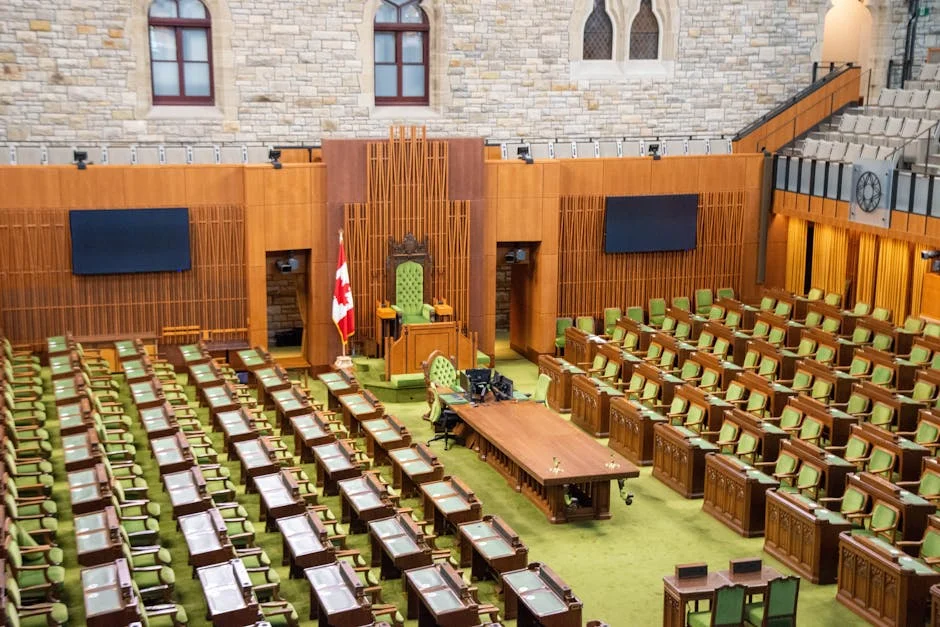
The newly ratified constitution represents a significant shift in Somalia's political landscape, allowing citizens to directly elect their representatives for the first time. This change is expected to empower the electorate and promote accountability among lawmakers. President Hassan Sheikh Mohamud emphasized the importance of this reform in his address, stating, "Direct elections will restore the trust between the people and their government, paving the way for true democracy and development in Somalia."
Historical Context: Challenges and Opportunities
Somalia has faced numerous challenges, including civil war, terrorism, and political instability, which have severely hampered its development. The new constitution is seen as a vital step towards overcoming these obstacles by fostering greater political participation. Experts believe this move could also enhance Somalia's international standing and attract foreign investment, crucial for rebuilding its infrastructure and economy.
Implications for Regional Stability and African Development
The success of Somalia's new political framework could have significant implications for the broader African continent. As Somalia strives for stability, its experiences may offer valuable lessons for other nations facing similar governance crises. Countries like Nigeria, which grapple with electoral integrity and political violence, might find a model in Somalia's direct election system. This could inspire collaborative efforts towards democratic reforms across the region.
Health, Education, and Infrastructure: A New Horizon
With direct elections, there is potential for a more accountable government, which could prioritise critical sectors such as health, education, and infrastructure. A more engaged electorate may demand better public services and greater investment in the human capital necessary for long-term development. Somalia's new governance structure aims not only to enhance political stability but also to address pressing societal needs that have been neglected in the past.
What’s Next for Somalia: Monitoring Progress
The road ahead for Somalia remains fraught with challenges, including entrenched political rivalries and security threats. However, observers are keenly watching how this constitutional change will manifest in practice. The international community has pledged support to ensure the successful implementation of the new governance framework. As Somalia embarks on this new chapter, its journey could serve as a beacon of hope for other nations striving for progress in governance and development.