Save, a leading consumer electronics company, has unveiled its top tips for purchasing used or refurbished gadgets, offering significant benefits for consumers in Nigeria and across Africa. This development not only promises to make technology more accessible but also supports broader African development goals by promoting sustainable consumption.
Cost Savings Through Refurbished Electronics
The ability to buy used or refurbished electronics at lower prices than new items is a major draw for many Nigerians and Africans. According to Save, these products can be up to 50% cheaper than brand-new equivalents, making them an attractive option for households looking to upgrade their tech without breaking the bank.
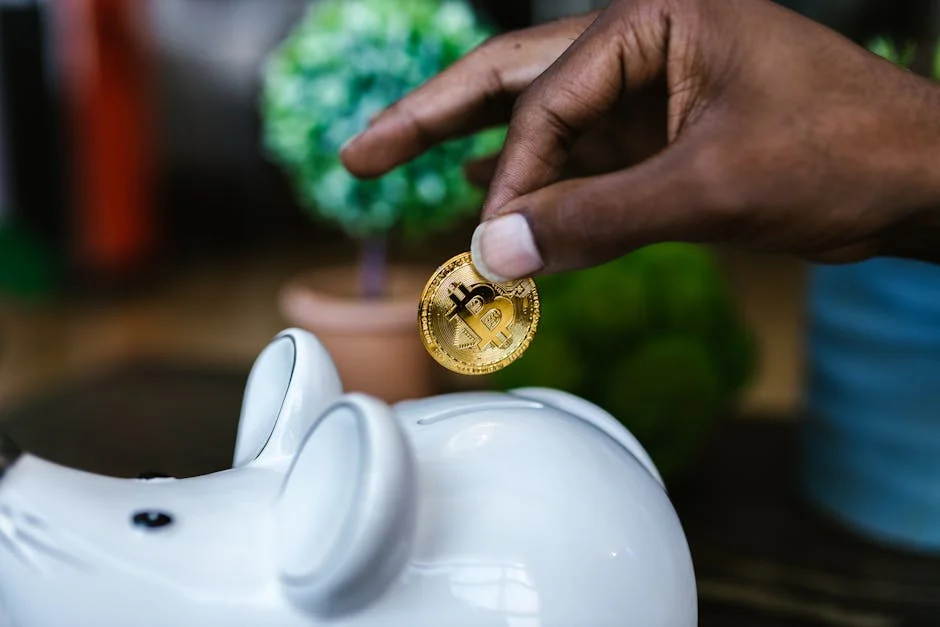
As Nigeria continues to grapple with economic challenges, such as inflation and currency fluctuations, the affordability of refurbished electronics becomes increasingly important. This trend not only helps individuals manage their budgets better but also contributes to overall economic stability by reducing the strain on disposable income.
Sustainable Consumption and Environmental Impact
Refurbished electronics represent a crucial step towards more sustainable consumption patterns in Africa. By extending the life of electronic devices, consumers reduce waste and contribute to a greener planet. This is particularly significant given the growing environmental concerns across the continent.
Moreover, the practice of refurbishing electronics supports local economies through job creation in repair and resale sectors. In Nigeria, this could mean thousands of jobs in urban areas where there is a concentration of electronics markets and repair shops.
Africa's Tech Sector Gains Momentum
The increasing popularity of refurbished electronics in Nigeria and beyond reflects a broader trend in Africa's tech sector. As digital adoption grows, so too does the demand for affordable, reliable gadgets. This creates opportunities for both local manufacturers and international brands to cater to this market.
For example, companies like Save are positioning themselves to capture a larger share of the Nigerian market by offering high-quality refurbished products alongside their new offerings. This strategy not only boosts their business but also helps meet the diverse needs of African consumers.
Challenges and Opportunities in the Refurbished Market
Despite the advantages of buying refurbished electronics, there are still some hurdles to overcome. Consumers may have concerns about quality, reliability, and warranty coverage. However, Save addresses these issues by providing detailed product information, comprehensive warranties, and easy returns.
In addition, the rise of online platforms for buying and selling refurbished goods is making it easier for people to access a wider range of options. This digital transformation aligns with broader trends in e-commerce across Africa, further enhancing the attractiveness of refurbished electronics as a purchase choice.
Implications for African Development Goals
The growth of the refurbished electronics market has significant implications for achieving several African Union’s Agenda 2063 development goals. These include creating a more prosperous and technologically advanced continent, as well as fostering a sustainable and green economy.
By embracing refurbished electronics, Africans are taking a step towards a future where technology is more accessible, affordable, and environmentally friendly. This trend supports the vision of a continent that is not only economically vibrant but also mindful of its ecological footprint.