Recent studies reveal that millions more people globally face the threat of rising sea levels than previously estimated, with profound implications for coastal communities and economies, especially in Africa. The research, published in the journal Nature, highlights the urgent need for adaptation strategies as climate change exacerbates vulnerabilities.
The Alarming New Estimates
According to the latest findings, nearly 300 million individuals could be at risk from rising sea levels by 2050, significantly higher than earlier projections. This alarming statistic stems from comprehensive data analysis, revealing that urban areas in low-lying coastal regions will bear the brunt of this environmental crisis. Countries like Nigeria, with its extensive coastline, are particularly vulnerable.
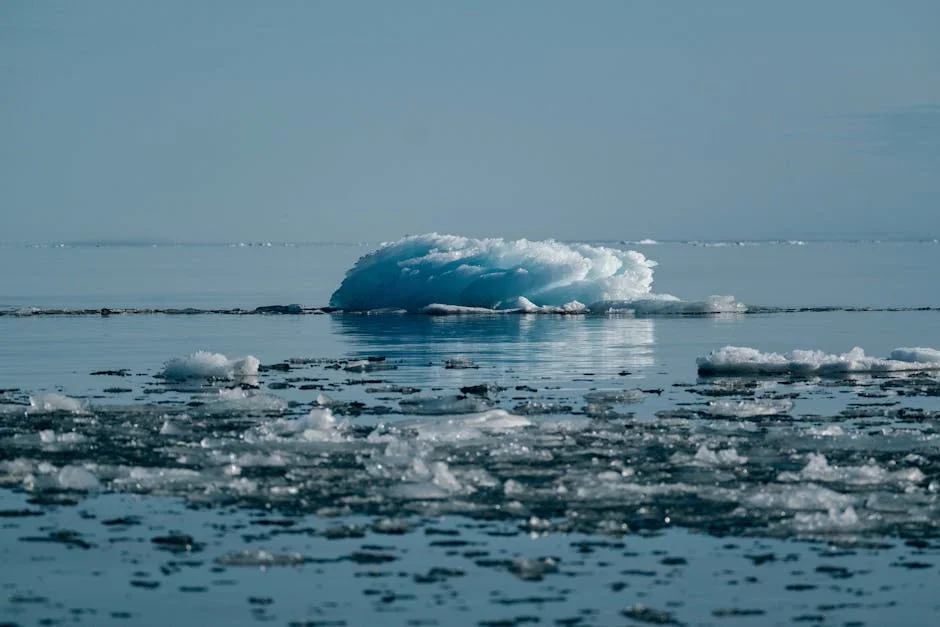
Why Rising Sea Levels Matter for Africa
Rising sea levels pose a significant threat to Africa's development goals, particularly those related to climate resilience, food security, and economic growth. The African Union's Agenda 2063 has prioritised sustainable development, but this new research presents a formidable challenge. Coastal cities such as Lagos are at risk of flooding, which could displace millions and undermine economic activities.
The Nature of the Problem
The findings from Nature emphasise the urgency of understanding the implications of rising sea levels. As the planet continues to warm, ice sheets melt and oceans expand, contributing to higher sea levels. This phenomenon is not just an environmental issue; it intersects with health, education, and governance—critical areas for Africa's development. For instance, flooding can disrupt educational institutions and healthcare services, exacerbating existing inequalities.
Infrastructure Challenges and Opportunities
As cities confront the threat of rising waters, there is a pressing need for improved infrastructure and urban planning. Investments in resilient infrastructure could mitigate some impacts, creating opportunities for economic growth. The African Development Bank has emphasised the importance of green infrastructure, which not only protects against climate change but also contributes to job creation and economic resilience.
What Comes Next for Nigeria and Africa
To address the challenges posed by rising sea levels, African nations must prioritise investment in climate adaptation strategies. This includes enhancing disaster preparedness, improving coastal management, and integrating climate risks into national development plans. The international community, alongside African governments, must also take decisive action to reduce greenhouse gas emissions, ensuring that Africa can achieve its development goals amidst the climate crisis.