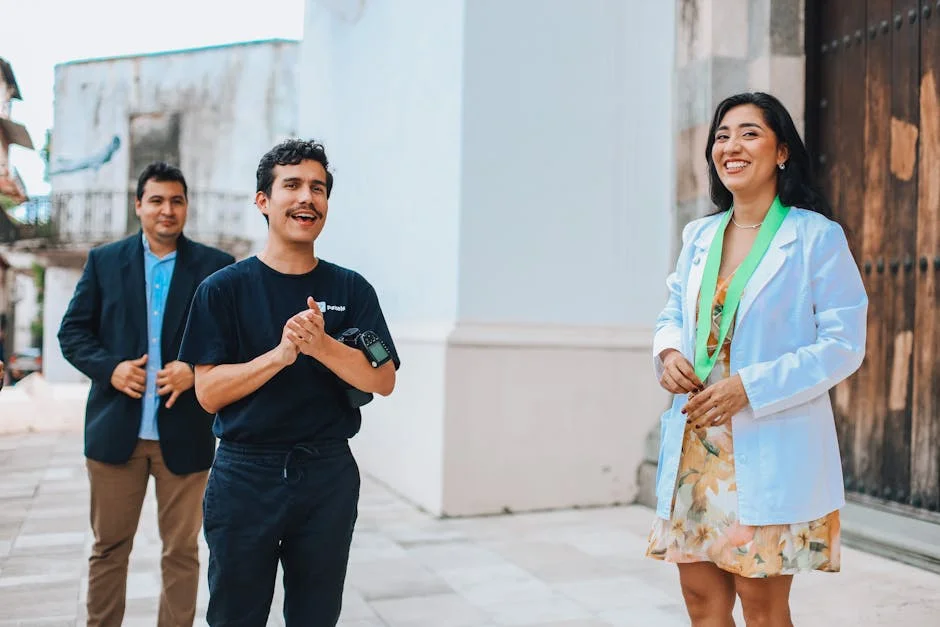
Portugal's tourism sector is poised for a strong summer season, with promising prospects reported by industry leaders. This positive outlook, articulated by Pedro Machado of Tempos, highlights potential lessons for African nations grappling with similar challenges in their tourism and economic sectors.
Portugal's Tourism Resurgence Amid Global Challenges
As the summer of 2023 approaches, Portugal's tourism industry is witnessing a significant rebound, with expectations of record visitor numbers. Pedro Machado, the president of the Portuguese Tourism Agency, stated that early indicators show a robust increase in bookings, particularly from key markets such as the UK and Germany. The summer season is expected to bring about a 20% rise in international arrivals compared to the previous year, signalling a strong recovery post-pandemic.

Lessons for African Nations from the Portuguese Model
This surge in tourism is not just beneficial for Portugal but offers valuable insights for African nations looking to harness their own tourism potential. Countries like Nigeria, which are rich in cultural heritage and natural beauty, face challenges in developing their tourism sectors due to issues such as inadequate infrastructure, safety concerns, and governance challenges.
Tempos Explained: A Framework for Growth
Tempos, the strategic framework outlined by Machado, focuses on enhancing visitor experiences through improved services and infrastructure. By investing in local tourism facilities and promoting sustainable practices, Portugal has managed to attract tourists while benefiting local communities. This model can be adapted by African countries to develop their tourism sectors, thereby creating jobs and stimulating economic growth.
The Role of Governance in Tourism Development
Effective governance plays a crucial role in shaping the tourism landscape. Machado's analysis emphasises the importance of government support in creating enabling environments for tourism. In Nigeria, for example, improving regulatory frameworks and ensuring safety can significantly boost tourist confidence. With targeted policies, African nations could replicate the successes seen in Portugal.
Health and Infrastructure: Key to Unlocking Potential
Another essential lesson from Portugal's tourism strategy is the emphasis on health and safety protocols. As global travellers become increasingly health-conscious, African countries must prioritise health infrastructure to attract tourists. Investing in healthcare facilities and ensuring safe travel conditions can enhance the overall visitor experience. Moreover, improving transportation networks will facilitate easier access to tourist sites, which is vital for economic development.
Pedro Machado's Insights: Implications for Nigeria
In his analysis, Pedro Machado elaborates on the potential impact of the Portuguese tourism model on Nigeria. By adopting strategies that prioritise infrastructure development, health, and governance, Nigeria can create a more inviting atmosphere for tourists. The country’s diverse culture and natural landscapes offer immense opportunities that remain largely untapped. Encouragingly, a focus on these areas could lead to increased foreign investment and tourism revenue.
As Africa continues to navigate its developmental challenges, the positive tourism outlook in Portugal serves as a reminder of the continent's potential. By learning from successful models and adapting them to local contexts, African nations can work towards achieving sustainable economic growth through tourism.