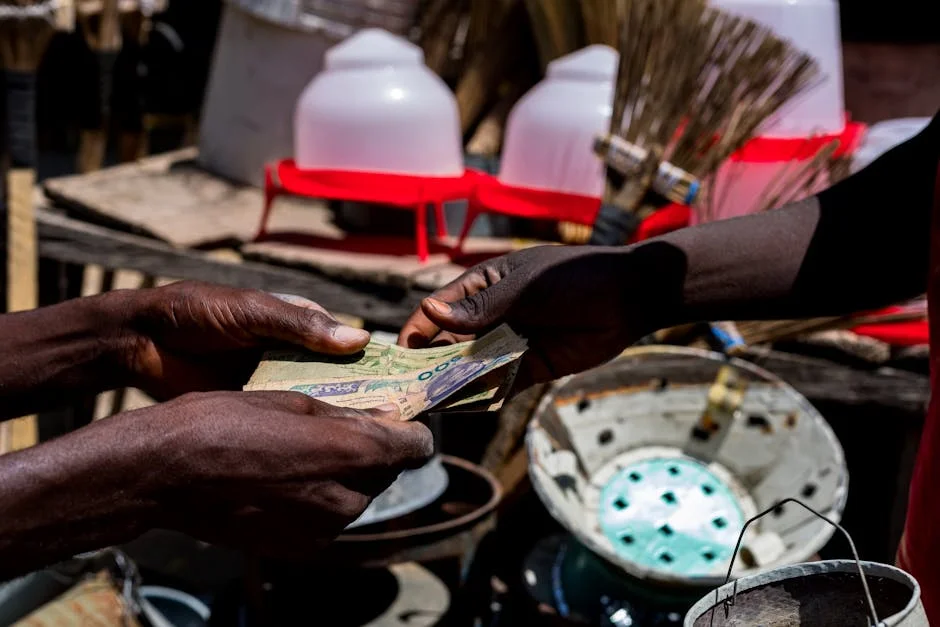
In Portugal, pre-paid energy purchases face uncertainty as the country grapples with an energy crisis. The situation is causing concern for consumers and businesses alike, highlighting the importance of stable energy supply in achieving development goals.
Pre-Paid Energy Purchases Under Threat
The Portuguese government has announced that pre-paid gas and electricity purchases may not be immune to the current energy crisis. This means that customers who have prepaid for their energy needs could find themselves at risk if the market conditions worsen. This situation underscores the interconnectedness of energy markets across Europe and highlights the vulnerability of consumers to global economic fluctuations.

For many households and small businesses in Portugal, pre-paying for utilities is a common practice, providing a degree of financial stability. However, with the ongoing energy crisis, this system now faces significant challenges. The impact on these pre-paid customers could potentially disrupt daily life and business operations, affecting everything from heating homes to powering essential machinery.
African Development Goals and Energy Security
While the focus is on Portugal, this scenario resonates with the broader context of African development goals. Ensuring reliable access to energy is crucial for economic growth and social progress. Across Africa, many countries are working towards improving their energy infrastructure and security, aiming to provide consistent power to all citizens. The challenges faced by pre-paid customers in Portugal serve as a reminder of the importance of robust energy systems in supporting development.
African nations often look to European countries for examples of best practices in managing energy crises. Portugal’s experience with pre-paid energy purchases under threat can offer valuable lessons for other countries striving to achieve sustainable and secure energy supplies.
Infrastructure Challenges in Africa
The energy crisis in Portugal also highlights the critical need for investment in infrastructure across Africa. Reliable energy networks are vital for industrial production, agricultural processing, and modern service delivery. In many parts of Africa, there is still a long way to go in terms of expanding grid coverage and upgrading existing facilities.
As African countries continue to develop, they face similar challenges to those currently experienced in Portugal. Ensuring that energy systems are resilient and adaptable to changing market conditions will be key to supporting sustained economic growth and improved quality of life for citizens.
Economic Growth and Energy Security
The connection between energy security and economic growth cannot be overstated. In Portugal, the potential disruption to pre-paid energy purchases could have ripple effects throughout the economy. Small businesses and households might struggle to maintain regular operations, impacting overall productivity and economic performance.
Similarly, in Africa, securing stable energy supplies is essential for driving economic growth. Access to reliable power can boost manufacturing, improve transportation networks, and enhance educational outcomes. As African economies continue to expand, maintaining a strong and flexible energy sector will be crucial for sustaining this growth.
Governance and Energy Policy
The way Portugal’s government responds to the energy crisis will be closely watched, not just in Europe but also in Africa. Effective governance and policy-making play a vital role in managing energy challenges. In Africa, strong leadership and strategic planning are needed to address infrastructure gaps and ensure that energy policies support long-term development goals.
Portugal’s experience offers insights into the importance of adaptive and responsive governance in the face of energy-related uncertainties. By learning from Portugal’s approach, African policymakers can better navigate their own energy challenges and create more resilient and prosperous societies.
Conclusion
The threat to pre-paid energy purchases in Portugal serves as a reminder of the complex interplay between energy security, economic growth, and effective governance. For African nations, this situation highlights the importance of robust energy infrastructure and adaptable policies to support continued development. As Portugal works to stabilize its energy market, it provides valuable lessons for other countries facing similar challenges on the path to economic prosperity.