Petrol Prices Spark Fury as Government Faces 'Rip Off' Accusations
Petrol Retailers Challenge Government Policies
The Nigerian Association of Petroleum Marketers (NAPM) has accused the government of causing a 'petrol rip off' by implementing policies that have led to soaring fuel prices at the pumps. The organisation says that recent increases in petrol costs are not justifiable and have placed an additional burden on Nigerians, particularly those living in rural areas where access to affordable fuel is already limited.
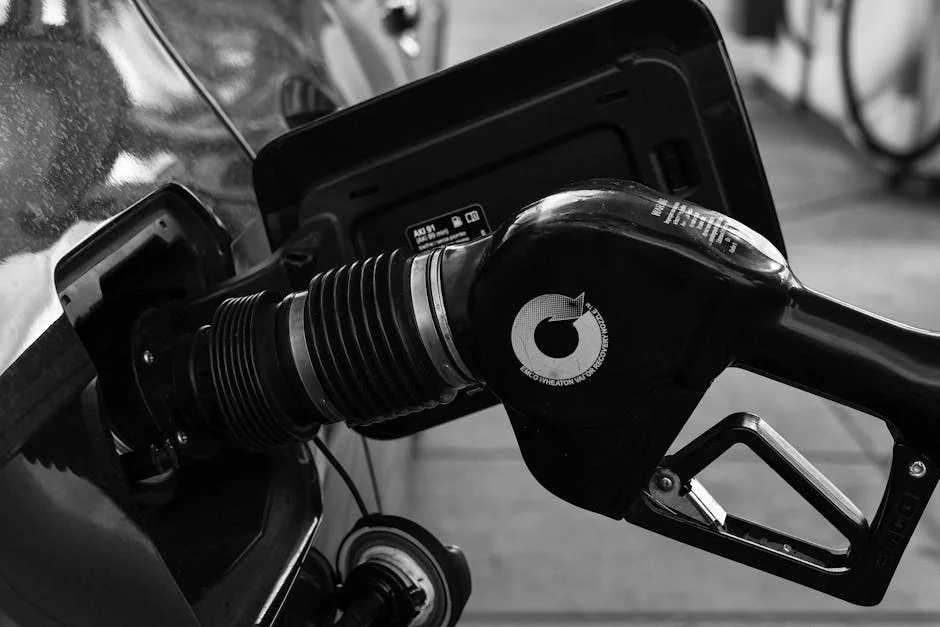
In a statement, NAPM highlighted the disparity between the cost of imported petrol and the retail price, suggesting that the government’s pricing mechanism is flawed. This discrepancy has led to widespread dissatisfaction among consumers, who feel they are being overcharged for essential goods.
Economic Implications for Nigeria
The rising cost of petrol not only affects everyday Nigerians but also has broader implications for the country's economy. As petrol prices increase, so do the costs of transportation and logistics, which in turn impact various sectors such as agriculture, manufacturing, and services. These industries rely heavily on affordable fuel to maintain their operations and remain competitive both domestically and internationally.
Nigeria’s economic growth is closely tied to its ability to manage costs effectively, especially when it comes to essential commodities like petrol. With the current high prices, there is a risk that businesses may face reduced profitability, leading to potential job losses and slower economic expansion.
African Development Goals and Challenges
The petrol price issue highlights some of the key challenges facing Nigeria and other African countries as they strive towards achieving their development goals. One of the main targets is to improve infrastructure, including reliable energy sources, which are crucial for sustained economic growth. High petrol prices can hinder progress in this area by making it more expensive to build and maintain roads, bridges, and other critical facilities.
Furthermore, the affordability of petrol is directly linked to the health and education sectors. Higher fuel costs mean that families may have less disposable income for healthcare expenses or school fees, potentially impacting the quality of life and educational outcomes for millions of Nigerians.
Governance and Policy Decisions
The petrol pricing dispute also underscores the importance of effective governance and sound policy decisions in Nigeria. The government’s role in setting fuel prices involves balancing multiple factors, such as import costs, exchange rates, and domestic production levels. Ensuring that these policies are transparent and fair is vital for maintaining public trust and stability.
There is growing pressure on the government to review its approach to petrol pricing and implement measures that will make fuel more accessible and affordable for all Nigerians. This includes exploring alternative sources of energy and improving the efficiency of the supply chain to reduce costs.
Opportunities for Economic Growth
Beyond the immediate challenges posed by high petrol prices, there are also significant opportunities for Nigeria to boost its economic growth through innovation and diversification. By investing in renewable energy sources and developing local refining capabilities, the country could reduce its dependence on imported petrol and create new jobs in the process.
The current situation also presents an opportunity for the government to demonstrate its commitment to addressing the needs of its citizens. By implementing reforms that lower the cost of living, Nigeria can set itself on a path towards greater prosperity and stability, benefiting not just its own people but also contributing to the overall development of the continent.