Nigeria's recent policy shift aimed at addressing infrastructural deficits has sparked a significant debate on its implications for the nation's development goals. Announced last week, the measure intends to bolster investment in transportation and health sectors, crucial for enhancing economic growth and governance. However, critics argue that these initiatives may fall short amidst prevailing challenges.
Infrastructure Development: A Double-Edged Sword
Nigeria's government has unveiled a comprehensive plan to enhance its transportation network, with a focus on rail and road systems. Minister of Transportation, Mu'azu Jaji Sambo, stated that the initiative is designed to facilitate economic activities across the country. The plan, which includes a budget allocation of over $5 billion, aims to connect rural areas to urban centres, thus promoting trade and accessibility.
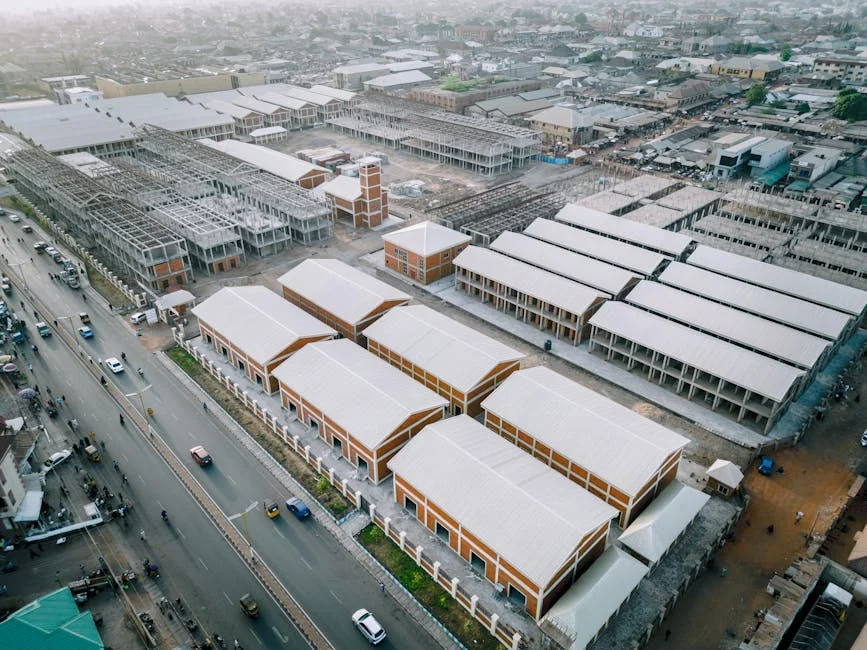
However, experts caution that without proper execution, these projects could exacerbate existing inequalities. The African Development Bank has previously highlighted that inadequate infrastructure not only hampers growth but also limits access to essential services such as education and healthcare, directly impacting Nigeria's development goals.
Health Sector Challenges: A Call for Comprehensive Policy
In tandem with infrastructure improvements, the policy also seeks to address critical health challenges. Nigeria's health system has long been underfunded, leading to a high burden of diseases. The new measure aims to increase healthcare access, especially in underserved regions. The Health Minister, Dr. Osagie Ehanire, emphasised the importance of this policy in fighting endemic diseases and improving maternal health.
However, the effectiveness of this policy hinges on adequate funding and accountability mechanisms. Analysts argue that without addressing systemic corruption and inefficiencies in healthcare delivery, the initiative may not yield the desired outcomes. This is particularly crucial as Nigeria strives to meet the Sustainable Development Goals (SDGs) related to health and well-being.
Education and Governance: A Holistic Approach Needed
The policy shift also touches upon educational reforms, aiming to bridge gaps in the education sector exacerbated by the pandemic. With millions of children out of school, the government plans to invest in digital learning tools and infrastructure. However, the challenge remains in improving the quality of education and ensuring inclusivity.
Moreover, governance issues persist, with public trust in governmental institutions at an all-time low. The recent policy announcements come amidst allegations of mismanagement and lack of transparency in previous projects. For Nigeria to achieve its development goals, there is a pressing need for enhanced governance structures and public engagement.
Economic Growth: Opportunities on the Horizon
Despite the challenges, the policy shift presents opportunities for foreign investment and public-private partnerships. The World Bank has indicated that Nigeria's economic recovery is contingent upon strategic investments in infrastructure and health. The shift could attract investors looking to tap into the growing Nigerian market.
However, the success of these initiatives will depend on the government's ability to navigate complex socio-economic landscapes. With high unemployment rates and inflationary pressures, the government must ensure that economic growth translates into tangible benefits for the populace.
Looking Ahead: Monitoring the Outcomes
The implications of Nigeria's policy shift will unfold over time. Stakeholders must remain vigilant, demanding accountability and transparency in the implementation phase. As Nigeria aims to meet its African development goals amid continental challenges, the importance of effective governance, infrastructure, health, and education cannot be overstated.
In conclusion, while Nigeria's latest policy measures hold promise, the road to successful implementation is fraught with challenges. Observers will be keen to see if these initiatives can indeed foster the economic growth and development envisioned by the government.