Nigeria is on a quest for clean energy solutions as it aims to transition from fossil fuels to renewable sources. The government, in collaboration with various stakeholders, commenced several initiatives this month to accelerate this shift and address the pressing challenges of climate change and energy access.
Renewable Energy Initiatives Launch in Nigeria
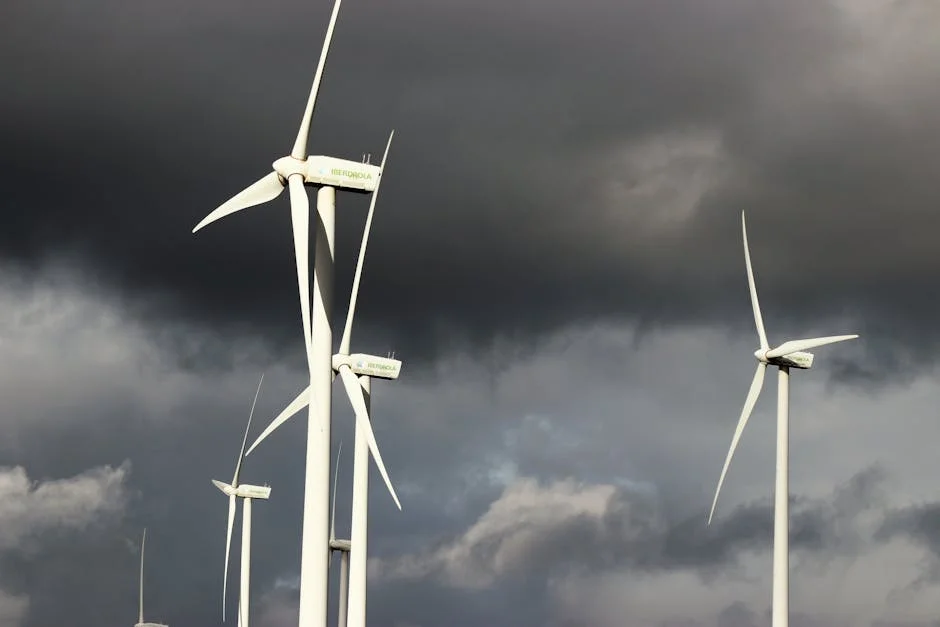
This month, Nigeria's Minister of Power, Abubakar Aliyu, announced a series of initiatives focused on clean energy, including solar, wind, and hydroelectric projects. The government plans to invest over $1 billion in the development of renewable energy infrastructure, with specific projects targeted in rural areas to enhance energy access. These efforts are crucial as Nigeria grapples with frequent power outages and a reliance on fossil fuels that has contributed significantly to greenhouse gas emissions.
The Importance of Clean Energy for Africa
With the African Union's Agenda 2063 aiming for sustainable development and economic growth, Nigeria's shift towards clean energy is pivotal. More than 600 million people in Africa lack access to electricity, highlighting the necessity for a sustainable energy transition. As one of the continent's largest economies, Nigeria's approach can set a precedent for other nations striving to meet their development goals while combating climate change.
Challenges Ahead: Infrastructure and Governance
Despite the ambitious plans, significant challenges remain. Nigeria's infrastructure is underdeveloped; with a grid that fails to meet current demand, the government will need to ensure that investments are directed not only towards new projects but also towards upgrading existing facilities. Furthermore, governance issues, including corruption and bureaucratic inefficiencies, may hinder the successful implementation of these initiatives. A transparent approach will be essential to attract foreign investment and foster public-private partnerships.
Opportunities for Economic Growth and Job Creation
Transitioning to renewable energy presents numerous opportunities for economic growth and job creation. The clean energy sector is projected to create thousands of jobs in manufacturing, installation, and maintenance of renewable energy systems. As Nigeria invests in this sector, it can stimulate local economies and reduce unemployment, particularly among the youth, who constitute a large part of the population. The focus on clean energy can also attract international investors looking for sustainable projects.
What Lies Ahead: Monitoring Progress and Accountability
As Nigeria embarks on this clean energy journey, it is crucial for stakeholders to monitor progress and hold the government accountable. Civil society, private sector actors, and international partners must collaborate to ensure that Nigeria meets its renewable energy targets. This transition not only aligns with Africa's broader development goals but also strengthens Nigeria's position as a leader in sustainable practices on the continent. With the potential for transformative change, the next steps in Nigeria's clean energy initiatives will be closely watched by both domestic and international observers.