The world of paleontology has been electrified by the recent unveiling of a new species of Spinosaurus, known as Spinosaurus mirabilis, distinguished by its distinctive cimeter-shaped crest. This discovery, made in the Sahara desert, offers fresh insights into the ancient ecosystems of Africa and highlights the continent's rich fossil heritage.
New Spinosaurus Species Reveals Unique Crest Shape
The newly discovered Spinosaurus mirabilis boasts an extraordinary feature – a cimeter-shaped crest that sets it apart from previously identified species of Spinosaurus. This unique physical characteristic provides valuable information about the evolutionary adaptations of these dinosaurs and the environments they inhabited.
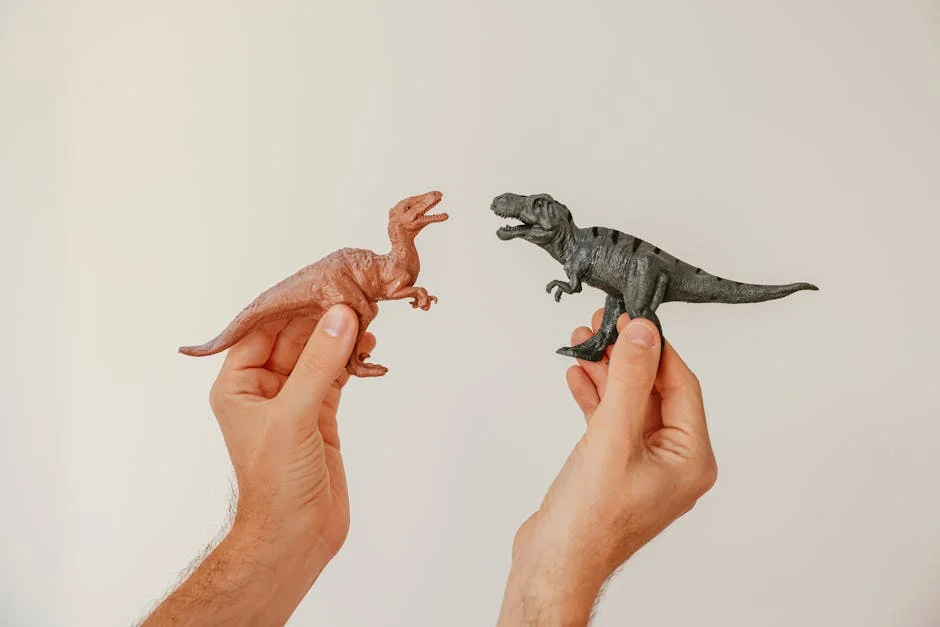
Researchers have meticulously documented the anatomical differences between Spinosaurus mirabilis and other known Spinosaurus species, which include variations in skull structure, limb proportions, and body size. These distinctions suggest that Spinosaurus mirabilis had specialised hunting and living habits that allowed it to thrive in the Sahara region during the Cretaceous period.
African Fossil Discoveries Highlight Continental Riches
The Sahara desert, one of the harshest environments on Earth, has proven to be a treasure trove for paleontologists seeking to uncover the secrets of prehistoric life. The discovery of Spinosaurus mirabilis underscores the importance of continued exploration and research in Africa, where numerous significant fossil finds have reshaped our understanding of dinosaur evolution.
The richness of Africa’s fossil record not only captivates scientists but also serves as a powerful draw for tourism and educational opportunities. As more discoveries are made, such as Spinosaurus mirabilis, there is potential for increased interest in African geological and biological history, which can boost local economies through cultural exchange and academic collaboration.
Implications for African Development Goals
The unveiling of Spinosaurus mirabilis aligns with broader African development goals, particularly those focused on science, technology, and education. By highlighting the unique and fascinating natural history of the continent, discoveries like these inspire a sense of pride and curiosity among Africans and international audiences alike.
Moreover, the study of ancient ecosystems and the identification of new species contribute to a deeper understanding of biodiversity and environmental change over time. This knowledge can inform contemporary efforts to protect and preserve African wildlife habitats, supporting sustainable development and conservation initiatives.
Challenges and Opportunities in African Research
Despite the exciting discoveries being made, researchers face several challenges when studying African fossils. These include limited access to advanced equipment, funding constraints, and logistical difficulties due to remote locations and harsh conditions. However, these obstacles also present opportunities for innovation and collaboration between African institutions and global partners.
For example, the discovery of Spinosaurus mirabilis involved international teams of scientists working together to piece together the puzzle of this remarkable creature. Such collaborative efforts can strengthen research capabilities and foster a network of expertise across the continent and beyond.
Looking Ahead: What’s Next for African Paleontology?
The discovery of Spinosaurus mirabilis opens up new avenues for investigation and exploration in African paleontology. Researchers will continue to search for additional fossils and evidence that can shed light on the lifestyle, diet, and behaviour of this unique dinosaur. Furthermore, the study of Spinosaurus mirabilis may provide clues about the broader ecological context of the Cretaceous Sahara and how it compared to other regions around the world.
As Africa continues to make groundbreaking contributions to the field of paleontology, it positions itself as a key player in global scientific discourse. The ongoing discoveries not only enrich our understanding of prehistoric life but also serve as a beacon of inspiration for future generations of African scientists and explorers.