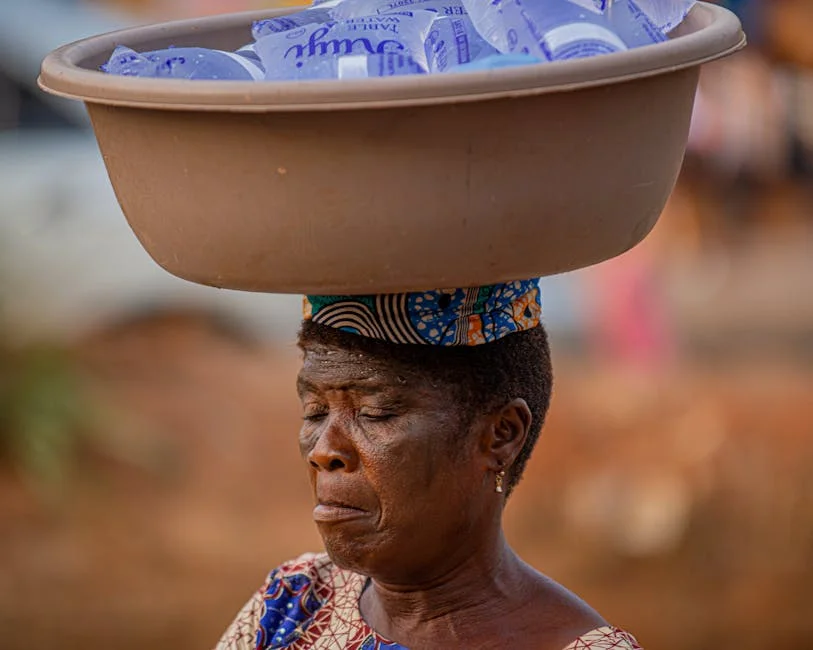
In a miraculous turn of events, 11-year-old Nada Itrab, who survived a perilous journey from Africa to Spain, has ignited discussions on migrant health policies. This incident, which unfolded in August, underscores the dire circumstances faced by many children undertaking similar treks.
Background of Nada Itrab's Journey
Nada Itrab, originally from Nigeria, embarked on a treacherous journey across the Mediterranean in search of safety and a better life. In August, she was rescued off the coast of Spain after spending days at sea, alone and vulnerable. The circumstances surrounding her journey highlight the ongoing migration crisis impacting African families, particularly children.

The Health Crisis Among Migrant Children
The survival of Nada Itrab raises critical questions about the health and welfare of migrant children. According to reports, many young migrants face severe health risks, including malnutrition, dehydration, and exposure to disease during their journeys. The World Health Organization has emphasised that such conditions are exacerbated by poor governance and lack of infrastructure in many African nations, leading families to risk everything for a chance at survival.
Spain's Response to the Migration Crisis
Spain has seen an increase in migrant arrivals, particularly from African countries. The Spanish government's response has sparked debates regarding the adequacy of their health systems to support the influx of vulnerable populations. Reports indicate that while Spain has made strides in accommodating migrants, there remains a significant gap in resources allocated for healthcare services, particularly for children like Nada.
Implications for African Development Goals
This incident not only draws attention to the individual plight of children like Nada but also reflects broader challenges faced by African nations in achieving development goals. The United Nations' Sustainable Development Goals (SDGs) aim to ensure healthy lives and well-being for all, yet the migration crisis underscores the obstacles many African nations face in addressing root causes such as poverty, conflict, and lack of educational opportunities.
Looking Ahead: Opportunities for Collaboration
The plight of Nada Itrab could serve as a catalyst for change, prompting both African and European nations to collaborate on solutions that address the underlying issues driving migration. Enhanced healthcare partnerships, educational initiatives, and improved governance frameworks could significantly impact the lives of vulnerable children and their families, potentially reducing the need for perilous journeys.