MOSOP Demands Ramsar Compliance in Ogoniland Oil Projects
Ramsar Convention Requirements Highlighted by MOSOP
The Movement for the Survival of the Ogoni People (MOSOP) has issued a statement demanding that any oil-related activities in Ogoniland comply with the Ramsar Convention on Wetlands. This move comes as Nigeria continues to explore its vast oil reserves in Ogoniland, an area rich in both natural resources and environmental concerns. MOSOP argues that protecting wetlands is crucial not just for the environment but also for the long-term sustainability of local communities.
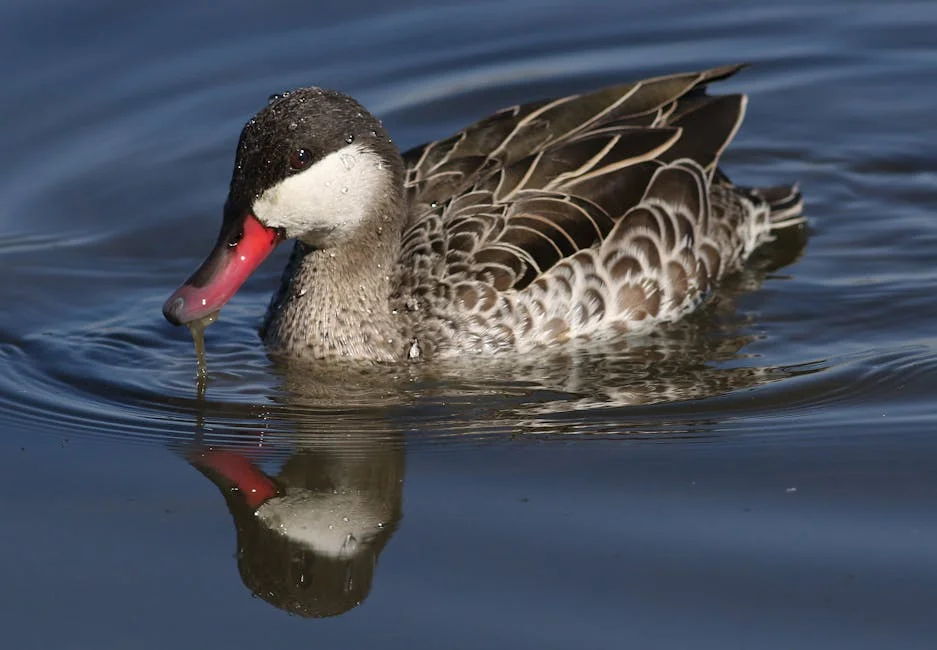
The Ramsar Convention, an international treaty for the conservation and sustainable use of wetlands, aims to halt the worldwide loss of wetlands and to conserve, through wise use and management, their resources for people today and future generations. According to MOSOP’s statement, failure to adhere to Ramsar standards could have dire consequences for the region’s ecosystems and the livelihoods of its inhabitants.
Ogoniland's Unique Challenges and Opportunities
Ogoniland, located in Rivers State, Nigeria, faces unique environmental challenges due to decades of oil exploration and production. The region has suffered from severe pollution, affecting both the land and water bodies. Ensuring compliance with the Ramsar Convention could help mitigate some of these issues, providing a framework for sustainable development that balances economic interests with environmental preservation.
Environmental experts quoted by Premium Times emphasize the importance of integrating Ramsar principles into ongoing and future oil projects in Ogoniland. They argue that such measures can prevent further degradation of the region’s fragile ecosystems and promote biodiversity conservation.
Implications for Nigerian Development Goals
The push for Ramsar compliance aligns with broader African development goals focused on sustainable resource management and environmental stewardship. For Nigeria, adhering to international environmental standards like those set by the Ramsar Convention represents an opportunity to showcase its commitment to responsible governance and development practices.
Moreover, ensuring that oil projects in Ogoniland meet these standards can enhance Nigeria’s reputation globally, potentially attracting more environmentally conscious investors and partners. This approach could serve as a model for other regions within Nigeria and across Africa, where balancing economic growth with environmental protection remains a critical challenge.
Challenges in Implementing Ramsar Standards
However, implementing Ramsar standards in Ogoniland will require significant effort and investment. Existing pollution levels and degraded ecosystems present formidable obstacles that need to be addressed before new projects can proceed. Additionally, securing buy-in from all stakeholders, including government agencies, oil companies, and local communities, will be essential for success.
MOSOP’s call for Ramsar compliance underscores the complex interplay between economic development and environmental conservation in Nigeria. While the oil industry remains a cornerstone of the country’s economy, the need to protect natural resources and preserve ecosystems cannot be overlooked.
Next Steps and Observations
As Nigeria moves forward with its plans for Ogoniland, monitoring how the government and private sector respond to MOSOP’s demands will be crucial. The effectiveness of any proposed measures in meeting Ramsar standards will likely influence perceptions of Nigeria’s commitment to sustainable development both domestically and internationally.
Environmental groups and civil society organizations will continue to play a vital role in advocating for stricter regulations and oversight. Their efforts, combined with international support and pressure, could pave the way for a more sustainable and equitable approach to resource extraction and environmental management in Ogoniland and beyond.