Prime Minister Narendra Modi inaugurated major extensions of the Delhi Metro system, including new Pink and Magenta Line routes, during a ceremony in New Delhi. The expansion aims to improve connectivity within the city and reduce traffic congestion, marking significant progress in India's urban development agenda.
New Delhi Metro Corridors Transform City Infrastructure
The inauguration ceremony saw the launch of several new metro corridors designed to enhance public transportation in Delhi. These include the extension of the existing Pink Line and the introduction of the Magenta Line, which will connect various parts of the city previously underserved by public transport. The project is expected to cover an additional 35 kilometres and benefit millions of commuters daily.
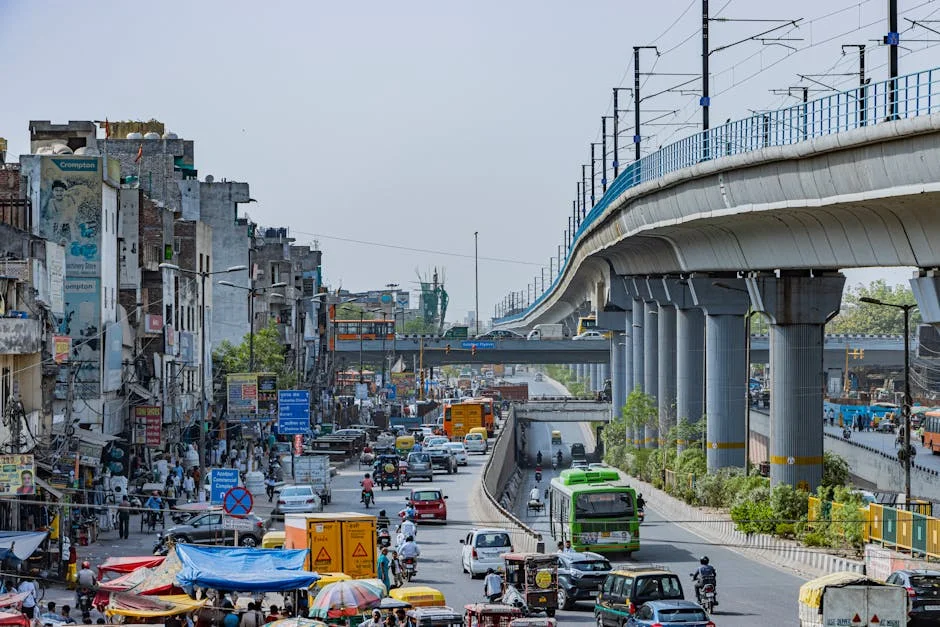
Modi highlighted the importance of such infrastructure projects in improving the quality of life for citizens and reducing environmental impact. "These expansions will not only ease the burden on our roads but also contribute to cleaner air and a more sustainable future," he stated at the event.
Connecting Communities Through Enhanced Public Transport
The Pink Line extension will link major residential areas with commercial hubs, facilitating easier access to jobs and services for residents. Similarly, the Magenta Line will serve as a crucial link between educational institutions and industrial zones, potentially boosting student mobility and workforce productivity.
Experts believe that such initiatives can significantly impact urban planning and development across the continent. "Delhi's metro expansion serves as a model for other rapidly growing African cities," said Dr. Emmanuel Nwabuoku, an urban planner from Lagos. "By investing in efficient public transport systems, we can address some of the most pressing issues facing our cities."
Economic Growth and Job Creation
The Delhi Metro expansion is anticipated to generate substantial economic benefits. According to a report by the Indian government, the project is expected to create thousands of jobs both directly and indirectly. This includes roles in construction, maintenance, and ancillary services, providing a much-needed boost to the local economy.
Moreover, improved transportation links can stimulate economic activity by reducing travel times and costs for businesses and consumers alike. "Efficient public transport systems are vital for fostering economic growth," noted Professor Chika Onyekwere, an economist from Nairobi. "They reduce operational costs for businesses and increase consumer spending power."
Health and Education Benefits
Beyond economic impacts, the metro expansion could have positive effects on health and education. Reduced reliance on private vehicles can decrease air pollution levels, contributing to better respiratory health among residents. Additionally, improved accessibility to schools and universities through the metro network can enhance educational outcomes by making learning resources more accessible to students.
"Investing in robust public transport systems is essential for achieving comprehensive development goals," said Dr. Sola Oluwole, a public health expert from Accra. "By integrating health and education into urban planning, we can build healthier, more educated communities."
Governance and Sustainable Urban Planning
The success of the Delhi Metro project underscores the importance of effective governance and long-term planning in urban development. The Indian government's commitment to public transport has been evident over the years, with numerous expansions and upgrades to the network.
For African nations, this highlights the need for strategic planning and investment in infrastructure. "African countries must prioritise sustainable urban planning to meet the needs of their growing populations," advised Mr. Kwame Asare, a policy analyst from Addis Ababa. "This requires collaboration between government bodies, private sector stakeholders, and civil society organisations."
Future Prospects and Challenges
While the Delhi Metro expansion represents a significant milestone in urban development, it also presents ongoing challenges. Ensuring the sustainability and efficiency of the system will require continuous investment and innovation. Additionally, addressing issues such as overcrowding and maintenance will be crucial to maintaining the network's effectiveness.
As African cities continue to grow, lessons from the Delhi Metro can inform strategies for developing similar infrastructure projects. "By learning from successful models elsewhere, we can tailor solutions that best fit our unique contexts," concluded Dr. Nwabuoku.
In summary, the Delhi Metro expansion underlines the transformative potential of well-planned public transport systems. For African nations, this offers valuable insights into the development of sustainable, inclusive urban environments that support economic growth, improve health outcomes, and enhance educational opportunities.
Frequently Asked Questions
What is the latest news about modi unveils delhi metro expansion what it means for urban development in africa?
Prime Minister Narendra Modi inaugurated major extensions of the Delhi Metro system, including new Pink and Magenta Line routes, during a ceremony in New Delhi.
Why does this matter for politics-governance?
New Delhi Metro Corridors Transform City Infrastructure The inauguration ceremony saw the launch of several new metro corridors designed to enhance public transportation in Delhi.
What are the key facts about modi unveils delhi metro expansion what it means for urban development in africa?
The project is expected to cover an additional 35 kilometres and benefit millions of commuters daily.