In a shocking revelation, the Mais news network has highlighted an alarming trend in Nigeria's educational environment. Schools across the nation are increasingly being likened to prisons, a situation exacerbated by infrastructure decay, poor governance, and inadequate resources. The documentary aired on March 15, 2024, and has sparked a national conversation about the implications for students' health, safety, and future prospects.
Infrastructure Decay Fuels Education Crisis
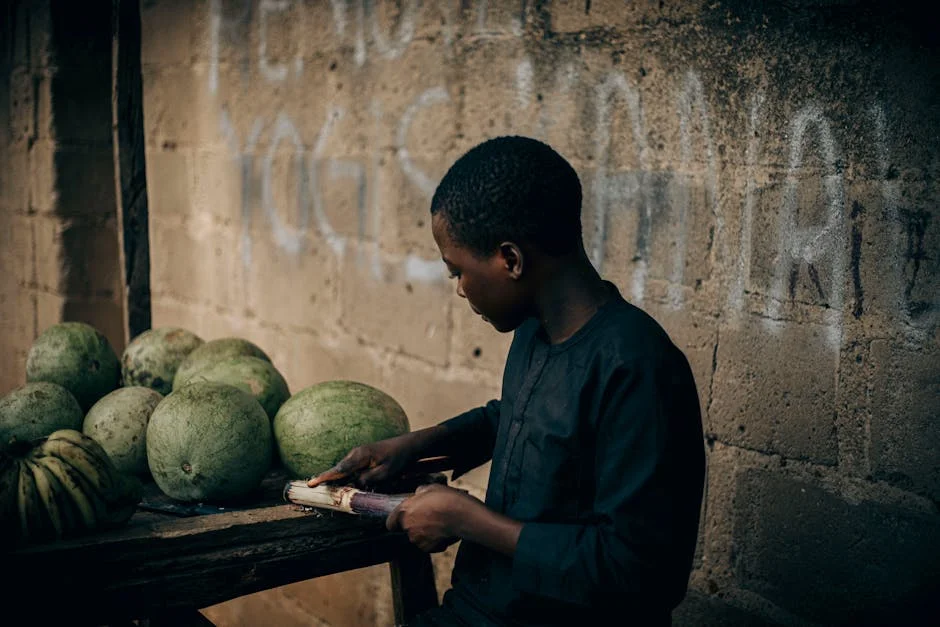
The documentary by Mais spotlighted the dire state of many educational institutions in Nigeria, where dilapidated buildings and a lack of basic facilities create a suffocating atmosphere for students. Citing specific cases from urban and rural schools, the report indicated that overcrowding and insufficient classrooms have left students feeling trapped within their learning environments. This situation not only hampers educational progress but also raises significant health concerns, as poor ventilation and sanitation conditions put students at risk.

Health Risks: A Growing Concern
Mais's findings underscored the health implications of the school environment, where students are subjected to unhygienic conditions. With inadequate access to clean water and sanitation facilities, the risk of disease outbreaks increases. Health experts worry that the mental and physical well-being of students is jeopardised, as the prison-like conditions contribute to anxiety and stress among young learners. This situation runs counter to African development goals focusing on quality education and health for all.
Governance and Investment: The Missing Links
The documentary highlights a critical issue: the lack of effective governance and investment in the educational sector. Mais points out that successive Nigerian governments have failed to prioritise educational reform, leading to a cycle of neglect. The report argues that without substantial investment in infrastructure and governance reforms, the situation will not improve. Nigeria's commitment to the African Union's Agenda 2063, which emphasises sustainable development and improved education, is at stake.
Economic Growth at Risk: The Long-term Consequences
Education is directly linked to economic growth, and the findings from Mais serve as a warning. With schools failing to equip students with the necessary skills for the workforce, Nigeria risks a generation entering the job market ill-prepared. This lack of readiness can stifle innovation and economic development, ultimately hindering the country's progress toward achieving its goals for sustainable economic growth.
What Comes Next: Calls for Action
The Mais documentary has sparked a wave of responses from educators, parents, and policymakers alike. Advocacy groups are calling for immediate reforms in the education sector, demanding that the government allocate more resources to schools and implement robust governance measures. As the conversation gains momentum, it remains to be seen whether these calls will translate into action that leads to meaningful change in Nigeria's educational landscape.