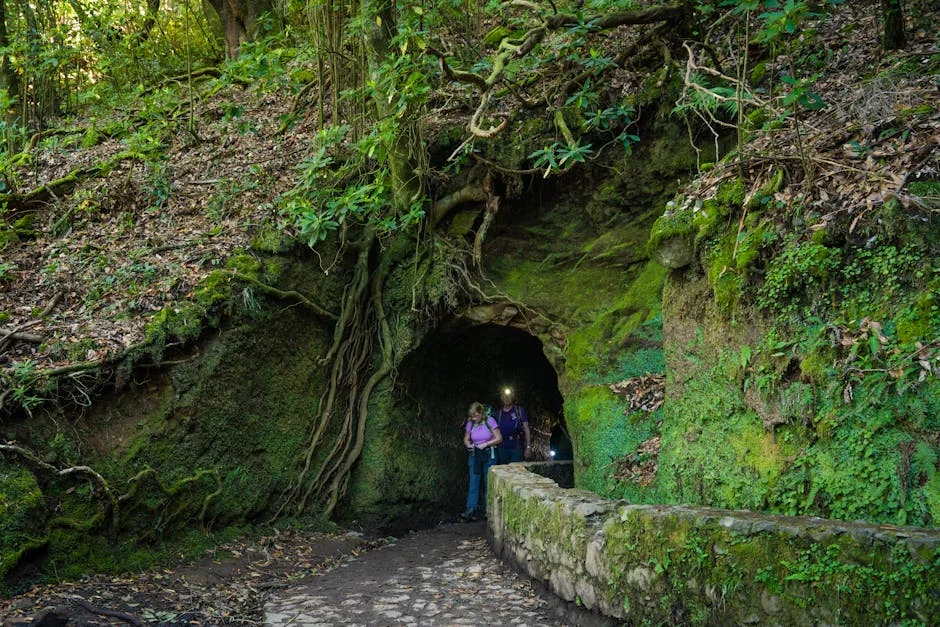
Madeira, the stunning Portuguese archipelago, has shuttered its popular hiking trails due to severe weather conditions, prompting concerns for local tourism and broader implications for African tourism strategies.
Severe Weather Forces Trail Closures in Madeira
On October 15, 2023, Madeira's regional government announced the immediate closure of several hiking paths, including the iconic Levada walks, following warnings of extreme rainfall and strong winds. These closures aim to ensure the safety of both locals and tourists during the adverse weather conditions.
The Impact of Trail Closures on Madeira's Economy
Madeira is renowned for its breathtaking landscapes and robust hiking tourism, drawing visitors from around the globe. In recent years, the region has positioned itself as a premier destination for adventure tourism, with over 60% of its economy reliant on this sector. The closures pose a significant threat to local businesses, including hotels and restaurants, which depend on the influx of tourists.
How Madeira's Challenges Reflect Broader Issues in African Development
This situation in Madeira resonates with broader challenges faced by African nations in terms of infrastructure and tourism resilience. Many African countries rely on tourism as a critical driver of economic growth and job creation. As seen in Nigeria, where tourism also plays a vital role, weather-related disruptions can have cascading effects on the economy.
The Need for Enhanced Infrastructure in Africa
As Africa strives to meet its development goals, the need for robust infrastructure capable of withstanding extreme weather events becomes paramount. The experience of Madeira serves as a reminder for African nations to invest in climate-resilient infrastructure, particularly in sectors like tourism, agriculture, and public safety. This investment not only boosts local economies but also attracts international visitors.
Looking Forward: Opportunities for Resilience in African Tourism
While Madeira grapples with the immediate impact of trail closures, it also presents an opportunity for African nations, including Nigeria, to reassess and enhance their tourism strategies. By learning from Madeira's experience, African countries can implement measures to safeguard their tourism sectors against climate-related disruptions. This includes diversifying tourist attractions, improving emergency response systems, and promoting sustainable tourism practices.
In conclusion, as Madeira navigates its current challenges, the lessons learned can serve as a catalyst for African nations to fortify their economies against similar threats. The importance of addressing climate resilience in tourism cannot be overstated, especially as the continent aims for sustainable growth and development.