The Liga has taken a bold stand against the sale of replica sports products, claiming it undermines the integrity of professional sports. This announcement was made during a press conference on October 20, 2023, in Lagos, Nigeria, amidst growing concerns about intellectual property rights in the African sports industry.
Impact on Local Economies and Sports Integrity
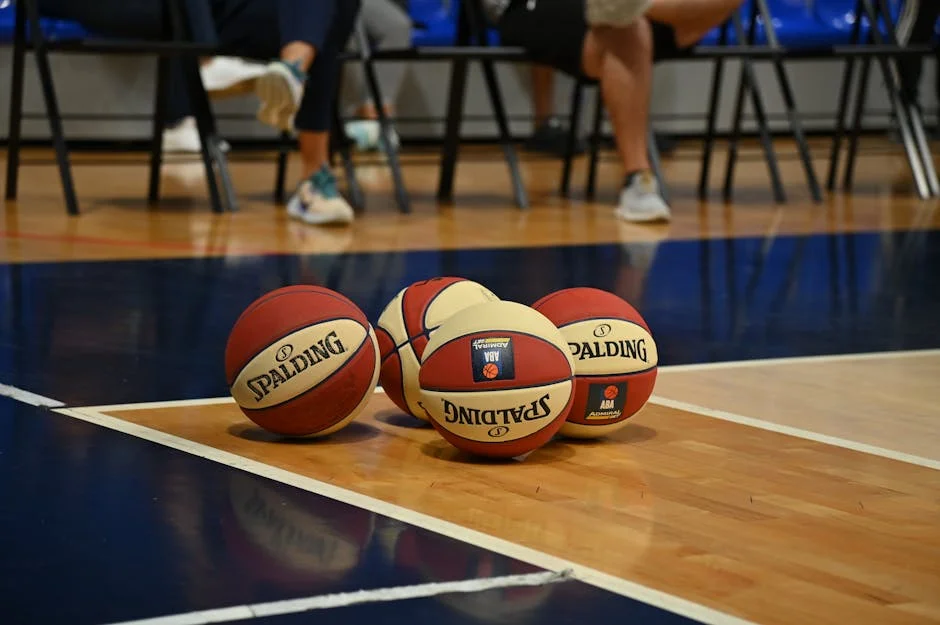
The Liga's decision to challenge the sale of replica sports products is rooted in the need to protect the integrity of local sports. With many African countries striving for economic growth through sports, the proliferation of counterfeit merchandise poses a significant threat. According to the Liga's spokesperson, “Allowing replicas to flood the market not only hurts our athletes but also stifles local businesses that rely on authentic merchandise.”
Challenges in Intellectual Property Rights Enforcement
This move highlights the broader issue of enforcing intellectual property rights across the continent. African nations often struggle with inadequate legal frameworks and enforcement mechanisms, resulting in rampant piracy and counterfeiting. The Liga's actions could serve as a catalyst for reform in this area, pushing governments to strengthen their laws and protect local industries.
Potential Opportunities for Economic Growth
By advocating for stricter controls on replica products, the Liga is not just protecting its brand but also promoting a sustainable model for economic growth. Authentic sports merchandise can generate significant revenue for local economies and communities. The Liga’s stance is a reminder that fostering creativity and innovation in African sports can align with broader development goals, including job creation and supporting local entrepreneurs.
Governance and Policy Implications
The Liga’s initiative also raises questions about governance and policy-making in the sports sector. It underscores the need for collaboration among stakeholders, including governments, sports federations, and local businesses, to create an environment conducive to growth. Effective governance can enhance sports infrastructure, improve education and health outcomes, and ultimately contribute to the continent's socio-economic development.
What’s Next for the Liga?
Looking ahead, the Liga plans to collaborate with various stakeholders to develop a comprehensive strategy aimed at tackling the issue of counterfeit sports merchandise. This strategy could include public awareness campaigns, partnerships with law enforcement, and lobbying for legislative changes. As the Liga continues to push for these changes, the eyes of the continent will be on their next moves and how they influence African development goals.
Frequently Asked Questions
What is the latest news about liga slams sale of replica sports products what it means for african development?
The Liga has taken a bold stand against the sale of replica sports products, claiming it undermines the integrity of professional sports.
Why does this matter for economy-business?
With many African countries striving for economic growth through sports, the proliferation of counterfeit merchandise poses a significant threat.
What are the key facts about liga slams sale of replica sports products what it means for african development?
African nations often struggle with inadequate legal frameworks and enforcement mechanisms, resulting in rampant piracy and counterfeiting.