In a groundbreaking movement, Kenyan activists have intensified their campaign for reparative justice from Germany, seeking recognition and redress for historical injustices during colonial rule. This significant push, taking place in October, is not just about reparations; it is about healing and addressing the long-lasting impacts of colonialism on African societies.
Kenya's Call for Recognition of Colonial Wrongs
The campaign for reparative justice in Kenya has gained momentum as activists demand that Germany acknowledges its colonial past and the suffering inflicted on Kenyan communities. This movement has seen the emergence of various civil society groups who argue that reparations are crucial for healing historical wounds. They insist that acknowledging past atrocities is a vital step towards a more equitable future, aligning with broader African development goals.
The Historical Context of German Colonialism in Africa
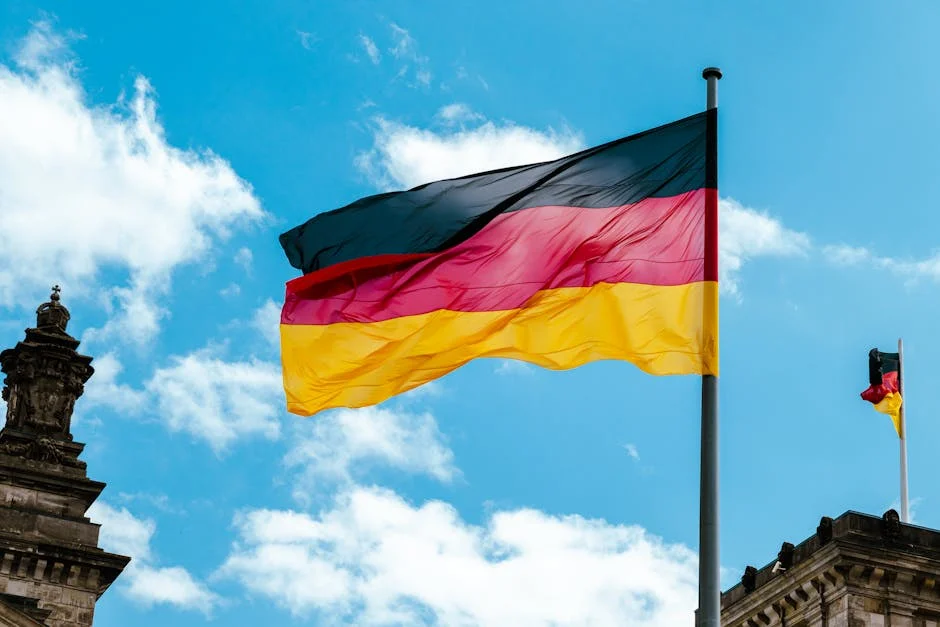
Germany's colonial history in Africa, particularly in Kenya, remains a contentious subject. Between 1885 and 1919, Germany controlled vast territories, inflicting severe hardship on local populations through forced labour and violence. As conversations around reparations gain traction, many are reflecting on why history matters and how it shapes current socio-economic challenges across the continent.
Implications for African Development and Governance
This campaign for reparative justice is not just a matter of historical accountability; it is intertwined with contemporary issues of governance, economic growth, and infrastructure development. By addressing past injustices, African nations can create a strong foundation for future development. Experts argue that reparative measures could lead to improved health and education systems, as well as bolster governance structures by promoting transparency and accountability in dealing with past wrongs.
Opportunities for Pan-African Unity and Collaboration
The demand for reparations highlights the potential for increased pan-African solidarity. As nations unite in their calls for justice, there is an opportunity to forge a collective identity that transcends historical grievances. Collaborative efforts can encourage African states to work together, not only in seeking reparations but also in addressing shared challenges such as poverty, inequality, and underdevelopment.
What’s Next for the Reparations Movement?
The road ahead for the reparations movement in Kenya and across Africa is fraught with challenges. However, the commitment from activists and civil society indicates a growing awareness of historical injustices and the need for reparative measures. As the campaign continues to gain visibility, it is essential for international communities, including Germany, to engage in constructive dialogue. The outcome of this movement could redefine how history is taught and understood, influencing future generations regarding the importance of history explained in a manner that promotes healing and collaboration.