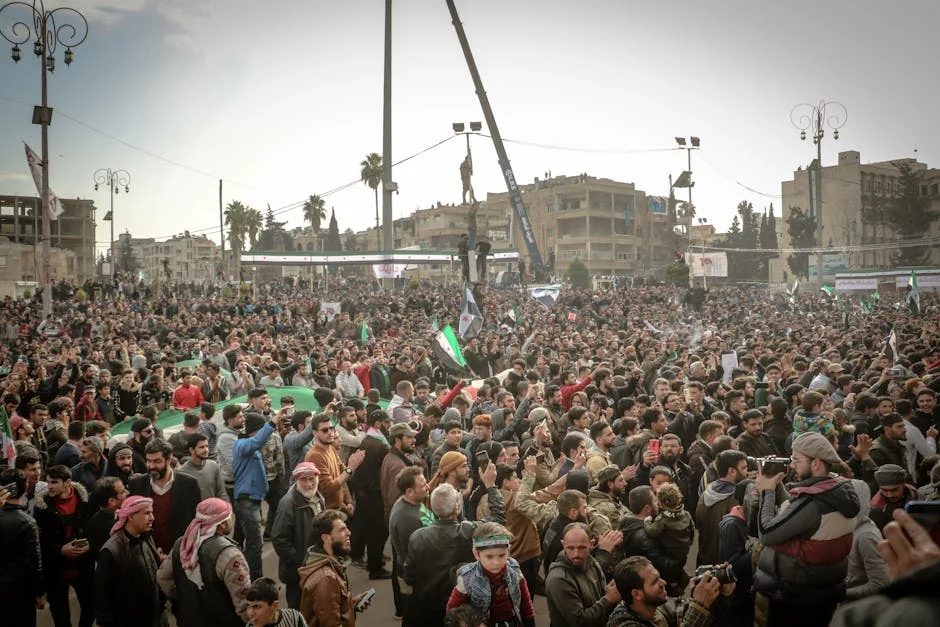
Iran finds itself increasingly isolated as diplomatic efforts from allies Russia and China fail to provide substantial support against escalating tensions with Israel and the United States. This situation marks a significant moment in global geopolitics, with implications reaching far beyond the Middle East.
Russia and China: Allies in Name Only
In recent weeks, Iran has ramped up its military readiness in response to heightened threats from Israel and the US, who have been vocal about their opposition to Iran's nuclear ambitions. While Russia and China have positioned themselves as allies of Iran, their support remains largely rhetorical, focusing on diplomatic solutions rather than concrete military or economic assistance.
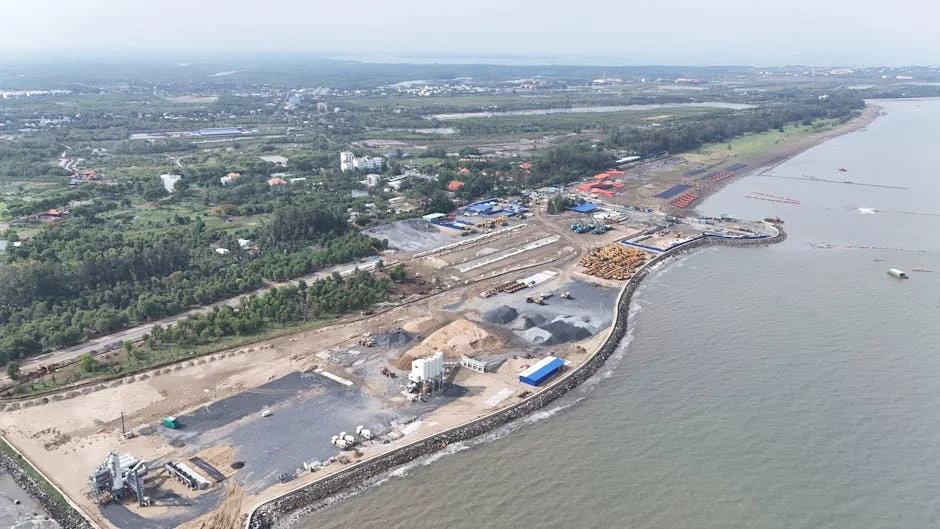
China's foreign ministry has reiterated its commitment to peace talks, emphasising the need for dialogue rather than conflict. However, analysts suggest that Beijing's focus on economic interests, particularly in Africa, may limit its willingness to engage militarily on Tehran's behalf. This leaves Iran in a precarious position, dependent on an unpredictable diplomatic landscape.
The Broader Geopolitical Landscape
The current tensions between Iran and Israel cannot be viewed in isolation. Israel's strengthened ties with Gulf nations and the US's unwavering support have shifted the balance of power in the region. The recent normalisation agreements between Israel and several Arab states have further isolated Iran, who views these developments as a direct threat to its influence.
Additionally, the relationship between Israel and Nigeria has been steadily improving, with increasing military cooperation and economic ties. This has raised concerns in Tehran, as Nigeria, Africa's most populous nation and a significant market for Chinese investments, finds itself caught in a complex web of international alliances.
Implications for African Development Goals
The implications of this geopolitical struggle extend to Africa, where nations are increasingly navigating their relationships with both Western powers and emerging economies like China. China's impact on Nigeria is particularly noteworthy; as it continues to invest in infrastructure and health initiatives across the continent, the dynamics of international relations evolve.
For African countries, the uncertainty surrounding Iran's position may create both risks and opportunities. Nations like Nigeria can benefit from strong ties with China while remaining cautious of the political ramifications of aligning too closely with a country facing widespread isolation.
Future Considerations: Watch for Shifts in Alliances
As tensions continue to simmer, observers should keep an eye on the potential shifts in alliances both in the Middle East and within Africa. Iran's increasingly desperate situation may prompt it to forge new partnerships, potentially with countries that share its views on Western intervention.
Moreover, the evolving landscape of Israel's foreign policy, particularly regarding its relations with African nations, could also lead to significant changes. As countries like Nigeria navigate these complex relationships, the implications for trade, security, and development are immense. The coming months will reveal whether Iran can find new allies or whether it will remain alone against the might of the US-Israel coalition.