The Instituto Camões has disclosed a significant shortage of Portuguese language teachers, raising concerns over the quality and accessibility of language education in Nigeria. As this situation unfolds, it highlights broader implications for Nigeria's educational development amid pressing continental challenges.
Understanding the Role of Instituto Camões in Nigeria
The Instituto Camões, dedicated to promoting Portuguese language and culture globally, plays a pivotal role in language education in Nigeria. With the increasing interest in Portuguese, especially due to economic ties with Portuguese-speaking countries, the institute's efforts are crucial. However, recent reports indicate that the lack of qualified teachers is hindering its ability to effectively deliver language programmes.
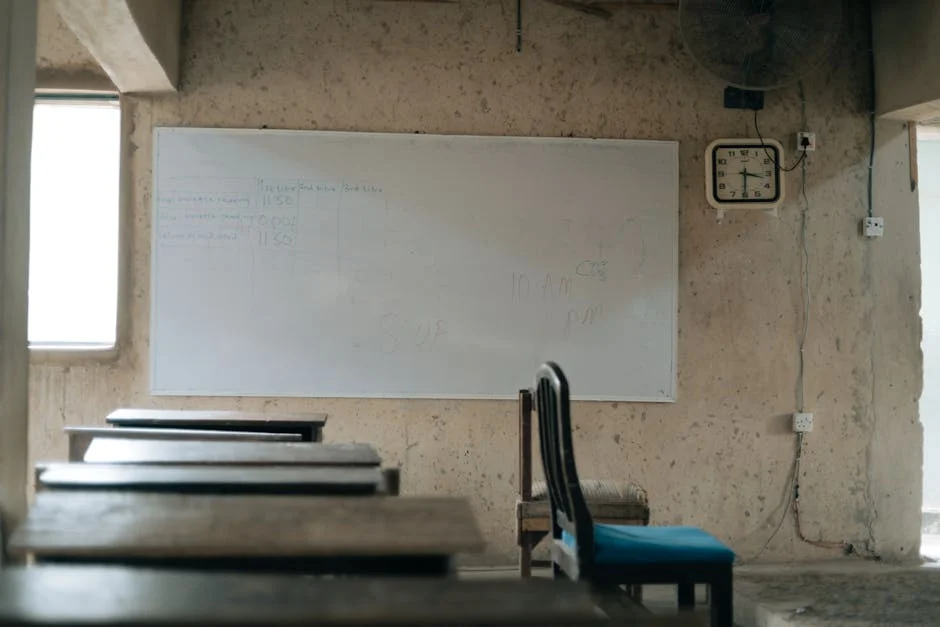
Current Situation: Teacher Shortage and Its Effects
The shortage of Portuguese teachers has been a growing concern, particularly in Nigerian cities where demand for language skills is on the rise. As of October 2023, the Instituto Camões has only been able to fill half of its teaching positions, leaving many students without access to quality education. This deficit not only affects language acquisition but also limits students' opportunities in sectors such as trade, diplomacy, and international relations.
Why This Matters for African Development Goals
The challenges faced by the Instituto Camões are emblematic of broader issues in African education systems. The United Nations' Sustainable Development Goal 4 calls for inclusive and equitable quality education and promotes lifelong learning opportunities for all. The lack of sufficient language teachers directly undermines these goals, particularly in regions like Nigeria, where multilingualism is vital for economic growth and cultural exchange.
Implications for Nigeria's Economic Growth and Governance
Language education, particularly in Portuguese, opens doors for Nigeria to strengthen its economic ties with Brazil, Angola, and other Lusophone countries. As Nigeria seeks to diversify its economy away from oil dependency, enhancing language skills could lead to increased trade opportunities and investment. Furthermore, effective governance relies on the ability to communicate across cultures and languages, making the need for language education even more pressing.
Opportunities and Recommendations Ahead
To address the teacher shortage, stakeholders must explore innovative solutions, such as online teaching modules and partnerships with local universities. Increasing awareness about the advantages of learning Portuguese can also stimulate interest in teaching positions. Moreover, international cooperation and funding can bolster teacher training programmes, ensuring that Nigeria can meet its educational needs and fulfil its development goals.
In conclusion, the challenges faced by the Instituto Camões in Nigeria serve as a microcosm of the educational hurdles across the continent. The outcomes of these developments will play a critical role in shaping Nigeria's future, particularly in its pursuit of regional leadership and economic diversification.