Indian Oil Corporation has taken steps to ensure that the available stock of commercial liquefied petroleum gas (LPG) is adequately supplied to priority sectors in Himachal Pradesh, India. This move highlights the importance of reliable energy access and distribution systems, which are crucial for the development of any region, including those in Africa.
Ensuring Energy Access in Himachal
The decision by Indian Oil to prioritise LPG supply to essential sectors in Himachal Pradesh underscores the company’s commitment to meeting the energy needs of critical areas such as healthcare, education, and industry. This approach is vital for maintaining stability and growth in these sectors, especially during times of potential shortage or disruption.
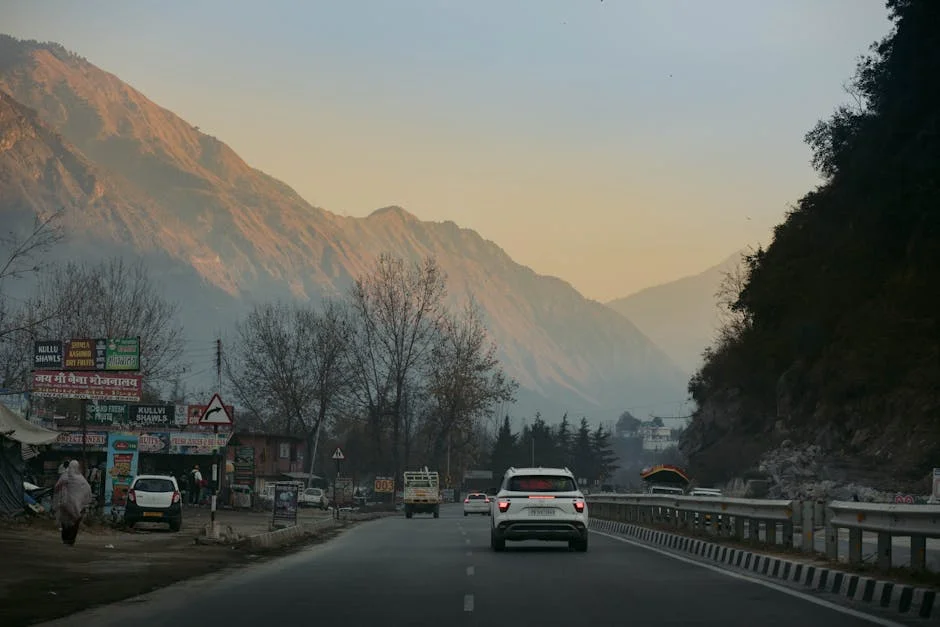
Himachal Pradesh, known for its scenic beauty and cool climate, also faces unique logistical challenges in distributing energy resources due to its mountainous terrain. The successful implementation of this strategy by Indian Oil could serve as a model for other regions, particularly those in Africa, where similar infrastructural hurdles exist.
African Development Goals and Energy Access
In line with the United Nations Sustainable Development Goal 7, which aims to ensure access to affordable, reliable, sustainable, and modern energy for all, the situation in Himachal Pradesh offers valuable insights for African nations striving to achieve similar benchmarks. Many African countries face significant challenges in providing consistent energy supplies to their populations, particularly in rural and remote areas.
The example set by Indian Oil’s management of LPG stocks can inform strategies for improving energy access in Africa. By focusing on priority sectors, African governments and energy providers can ensure that essential services are not disrupted, even during times of scarcity or logistical difficulty.
Infrastructure Challenges and Opportunities
The landscape of Himachal Pradesh presents a microcosm of the broader infrastructural challenges faced by many African countries. Mountainous terrain, vast distances, and limited transport networks all pose obstacles to efficient energy distribution. However, these same factors also create opportunities for innovative solutions and technological advancements.
In Africa, investments in infrastructure have been identified as key to unlocking economic growth and development. Improvements in energy infrastructure, such as the construction of pipelines, power grids, and storage facilities, can significantly enhance the reliability and accessibility of energy resources across the continent.
Economic Growth and Energy Security
The availability of LPG in Himachal Pradesh supports local economic activities and ensures that businesses and households have the energy they need to thrive. Similarly, in Africa, securing stable and sufficient energy supplies is fundamental to fostering economic growth and improving living standards.
African economies often rely heavily on agriculture, manufacturing, and services, all of which require reliable energy sources. By adopting best practices from regions like Himachal Pradesh, African nations can strengthen their energy security, boost productivity, and create more resilient economies.
Looking Ahead: Lessons for Africa
The actions taken by Indian Oil in Himachal Pradesh provide a practical example for African countries to follow. By prioritising energy access in critical sectors, investing in robust infrastructure, and leveraging innovative solutions, African nations can make significant strides towards achieving their development goals.
As African leaders continue to focus on improving energy access and distribution, the success stories from places like Himachal Pradesh offer valuable lessons and inspiration for overcoming regional challenges and seizing new opportunities for growth and prosperity.