Iceland moves closer to joining the European Union after it is expected that a referendum will decide whether to resume negotiations in approximately one and a half years. This potential shift in European geopolitics could have ripple effects across the continent, including for African nations such as Nigeria, which has strong ties to the EU.
Iceland's Journey Towards EU Membership
Iceland’s path towards becoming an official member of the European Union has been marked by periods of engagement and disengagement. The country first applied for membership in 2009 but later suspended its bid in 2013 due to public opposition. Now, following a recent political agreement, the possibility of rejoining the EU is back on the table.
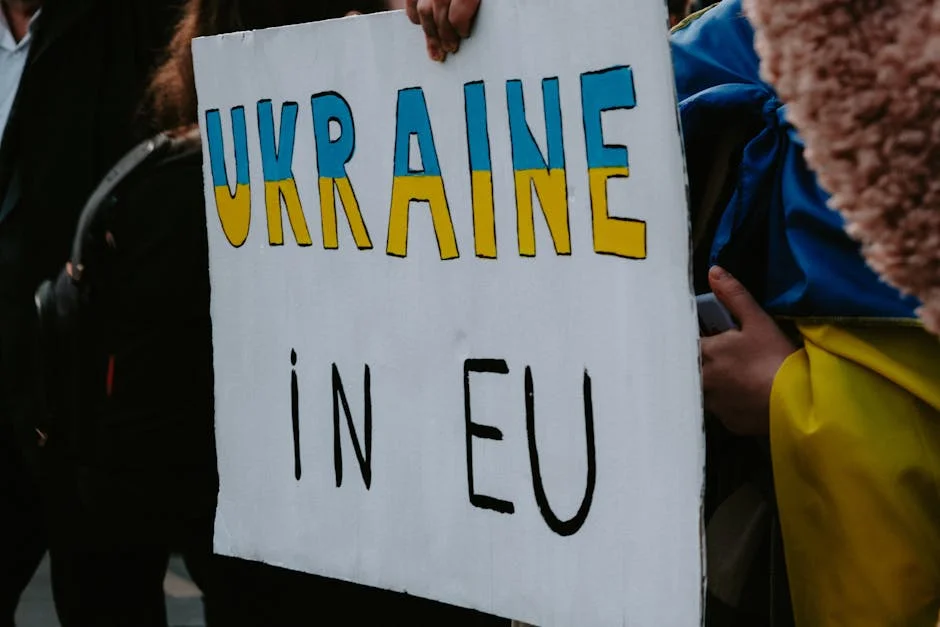
The decision to hold a referendum is expected to take place within the next 18 months, and if the outcome is positive, Iceland would then resume formal talks with the EU to finalize the terms of accession. This process could see Iceland become the 28th member state of the European Union.
Implications for Africa and Nigeria
The potential expansion of the European Union to include Iceland holds significant implications for other parts of the world, particularly Africa. For Nigeria, which is the most populous country in Africa and a major player in the global economy, the addition of Iceland to the EU could mean new trade opportunities and strengthened diplomatic relations.
Nigeria’s robust economic relationship with the EU has long been a cornerstone of its international strategy. With the EU as a trading partner, Nigeria benefits from preferential access to the single market and a steady flow of foreign direct investment. Iceland’s entry into the EU could enhance this partnership further, offering Nigerian businesses more avenues for growth and collaboration.
African Development Goals and Continental Challenges
The journey of Iceland towards EU membership also highlights broader themes related to African development goals and continental challenges. As African countries continue to seek integration and cooperation on various fronts—whether through the African Union or regional economic communities—they look to models of success elsewhere in the world for inspiration.
Iceland’s experience shows how smaller nations can navigate complex geopolitical landscapes and achieve their aspirations for greater integration. This serves as an encouraging example for African nations aiming to strengthen their economies, improve governance, and increase their global influence.
Economic Growth and Infrastructure Development
In the context of economic growth and infrastructure development, Iceland’s potential EU membership could provide valuable lessons for African countries. By adopting advanced policies and practices from the EU, African nations might find new ways to boost their own economic performance and attract investment.
Moreover, Iceland’s successful management of its natural resources and tourism industry offers insights into how African countries can leverage their own unique assets to drive growth and create jobs. This aligns well with African development goals, which often emphasize diversification of the economy and sustainable resource management.
Health and Education Opportunities
The health and education sectors in African countries stand to benefit from closer ties with the EU, including Iceland. Increased collaboration in research and academic exchange programs could help African nations build stronger institutions and develop skilled workforces capable of driving innovation and progress.
Iceland’s strong emphasis on healthcare and education systems, coupled with its high standard of living, makes it an ideal model for African countries looking to improve these areas. By learning from Iceland’s experiences, African nations may find new strategies to address some of their most pressing challenges in these critical sectors.
Next Steps and What to Watch
As Iceland prepares for its upcoming referendum on EU membership, there is much to watch in terms of how this decision might shape future relationships between Europe and Africa. The outcome could influence not just Iceland’s position in the global economy, but also set new precedents for cooperation and integration.
For Nigeria and other African nations, keeping an eye on developments in Iceland and the wider EU will be crucial. These events could open up new possibilities for partnerships, trade agreements, and shared prosperity, contributing to the broader narrative of African development and progress.