A giant python was spotted swimming through the flooded streets of Bali, Indonesia, following historic rains that submerged popular areas like Kuta and Seminyak. The shocking video of the snake navigating the floodwaters has sparked significant discussions about climate resilience and environmental challenges.
Historic Rains Cause Unprecedented Flooding
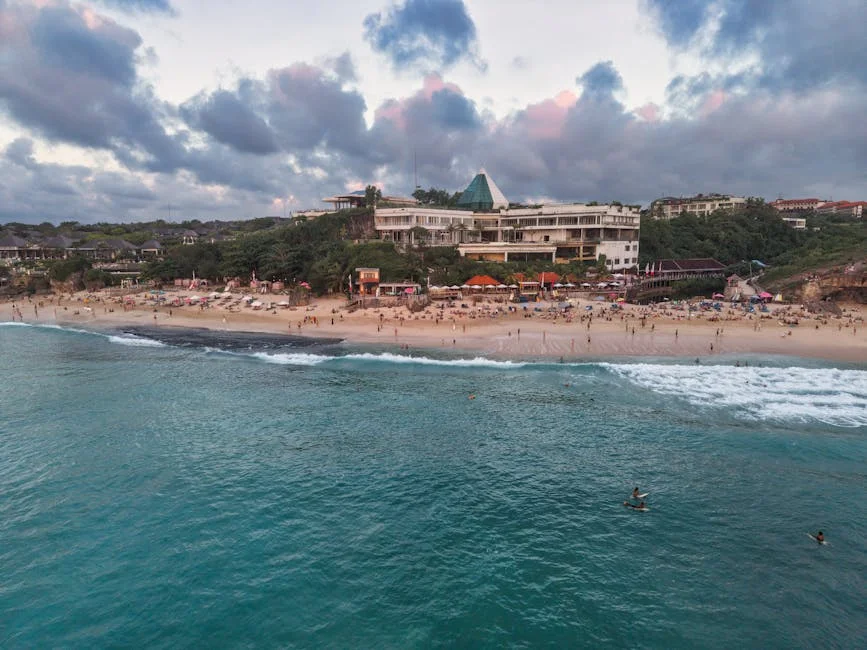
The recent downpour in Bali has been unprecedented, with officials reporting over 500 millimetres of rain in just 48 hours. The flooding has forced evacuations and disrupted daily life in regions that are typically bustling with tourists. Kuta and Seminyak, known for their vibrant nightlife and stunning beaches, were particularly hard-hit as roads turned into rivers.
Global Climate Change: A Growing Concern
This incident in Bali highlights the increasing frequency of extreme weather events, a trend that many experts attribute to global climate change. As rising temperatures affect weather patterns, regions previously unaffected by severe weather are experiencing devastating consequences. For African nations, which are already grappling with their own climate-related challenges, the situation in Bali serves as a stark reminder of the urgent need for sustainable development and infrastructure improvements.
Linking African Development Goals to Climate Resilience
The flood in Bali raises critical questions about development and governance, especially for African countries striving to meet the United Nations Sustainable Development Goals. With infrastructure often lacking in many parts of Africa, the risk of flooding and other climate-related disasters poses significant threats to economic growth and community health. Governments and organisations must prioritise investing in resilient infrastructure, education on environmental issues, and effective governance to mitigate these challenges.
Opportunities for Collaboration and Learning
As nations like Indonesia deal with the immediate aftermath of extreme weather, African countries can glean insights from their responses. Collaborative efforts between African nations and Indonesia, as well as other countries facing similar challenges, could lead to innovative solutions for infrastructure resilience and climate adaptation strategies. By sharing knowledge and resources, African nations can better prepare for the impacts of climate change.
What’s Next for Bali and African Nations?
The aftermath of the flooding in Bali will require both immediate relief efforts and long-term planning to address the underlying causes of climate vulnerability. For African nations, the focus must remain on building resilient communities that can withstand such shocks. With the global spotlight on climate change, there is an opportunity for African countries to advocate for support and investment in sustainable initiatives that will pave the way for a more secure future.