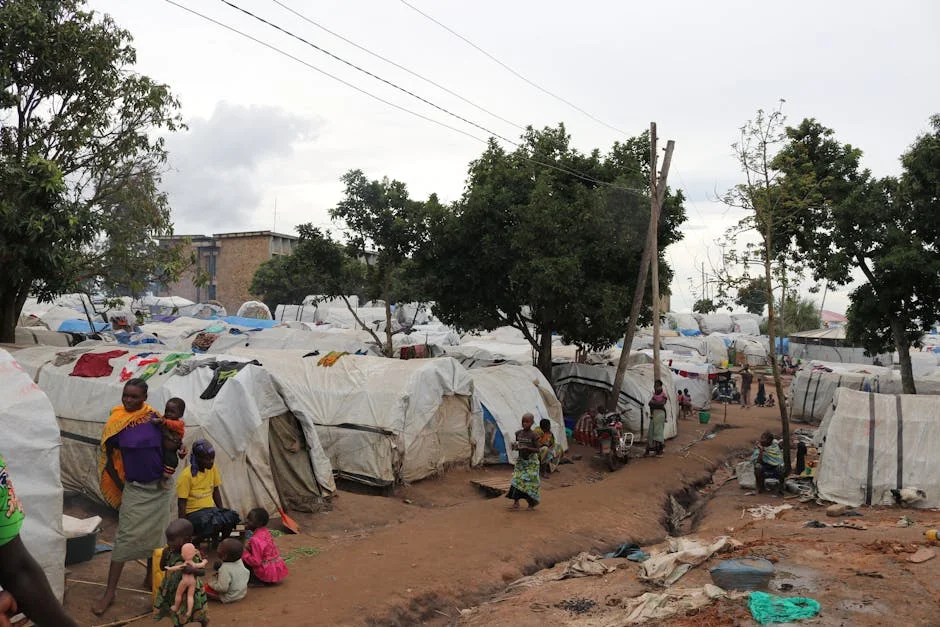
As migration pressures mount, Europe is bracing for a significant crisis that analysts say will stem from ongoing challenges in Africa. This warning comes amidst a backdrop of economic instability, climate change, and governance issues that have long plagued the continent. European officials are calling for urgent measures to address the root causes of migration that threaten to overwhelm their borders.
Factors Driving Migration from Africa
The migration crisis is not a new phenomenon; it has been escalating over the years due to a combination of factors. Increasingly, African nations are experiencing severe economic downturns, aggravated by high unemployment rates and political instability. For instance, countries like Nigeria and Sudan have seen a surge in migration as their citizens seek better opportunities abroad. Reports indicate that over 30% of Nigerians are considering emigration due to a lack of job prospects within the country.
European Responses to Migration Trends
In response to the anticipated influx of migrants, Europe is developing strategies aimed at strengthening border security and enhancing cooperation with African countries. The European Union (EU) has announced plans to invest over €1 billion in initiatives aimed at improving conditions in African nations. This funding is intended to create job opportunities, enhance infrastructure, and bolster governance, addressing some of the fundamental issues driving migration.
Linking Migration to Development Goals
This impending migration crisis underscores the urgent need for African nations to align with the United Nations Sustainable Development Goals (SDGs). Key among these goals is the aim to achieve decent work and economic growth (Goal 8), which is directly related to reducing the push factors for migration. By investing in education and health (Goals 4 and 3), African countries can build a stronger workforce capable of contributing to their nations' economies, thereby reducing the desire to migrate.
Challenges Ahead for Africa
Despite the potential benefits of international support, African nations face numerous challenges in implementing effective policies. Corruption, inadequate infrastructure, and unstable political environments hinder progress. For example, in countries such as Zimbabwe and Ethiopia, governance issues have led to widespread disillusionment among the populace, prompting many to seek refuge in Europe. The need for comprehensive reforms cannot be overstated if Africa is to mitigate the effects of upcoming migration crises.
Opportunities for Cooperation and Growth
However, this situation presents an opportunity for pan-African cooperation. Nations can collaborate to improve regional stability and economic conditions, thereby addressing the root causes of migration. Initiatives such as the African Continental Free Trade Area (AfCFTA) aim to enhance intra-African trade and create jobs, fostering a more stable environment. This, in turn, may reduce the number of people seeking to migrate to Europe.
What Comes Next?
As Europe prepares for this potential crisis, it is essential for African leaders to respond proactively. Engaging in dialogue with European counterparts can lead to mutually beneficial agreements that promote development while addressing migration. Policymakers must monitor economic indicators and migration trends closely to formulate strategies that not only tackle the immediate challenges but also foster long-term stability and growth.