Ethiopia's Tigray Tensions: A New War Looms?
As Ethiopia's government and the Tigray People's Liberation Front (TPLF) continue to clash over the region's future, the specter of renewed conflict looms large. The Ethiopian parliament's recent vote to dissolve the TPLF's regional council has reignited fears of a return to war, with the TPLF's rejection of the move sparking immediate protests in the region. This development comes amid a broader national reckoning over the country's political realignment and its implications for Africa's second-most populous nation.
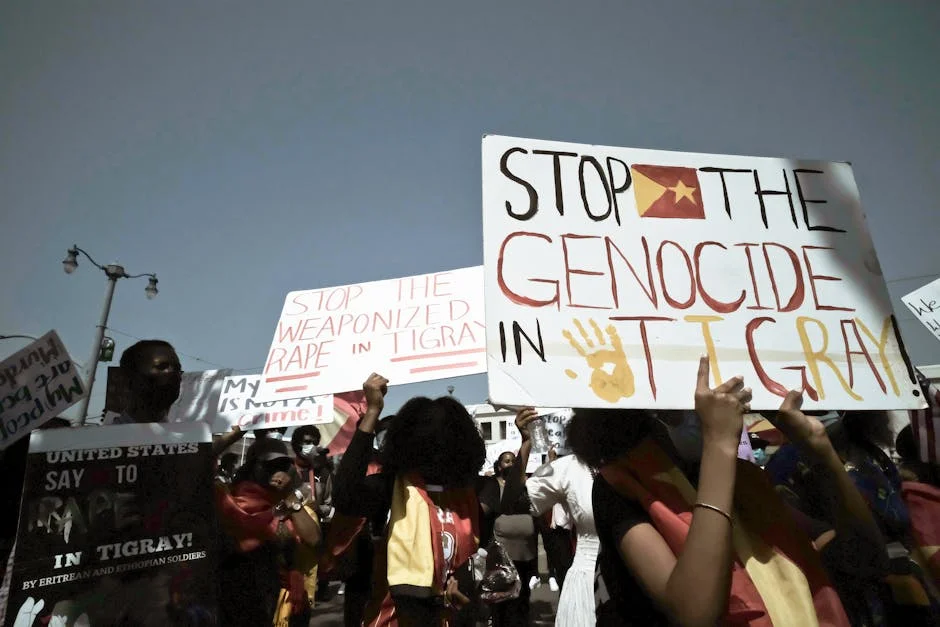
The Ethiopian government's decision to disband the TPLF's regional council marks a pivotal moment in the nation's political saga. The move, which was approved by a parliamentary majority, has been met with resistance from the TPLF, whose representatives had voted against the dissolution. The TPLF's rejection of the council's removal has triggered widespread demonstrations in Tigray, where residents are demanding a resolution to the ongoing dispute. This development underscores the fragility of the current political arrangement and raises urgent questions about the prospect of renewed hostilities.
Tigray's Historical Context: A Nation Divided
The roots of Tigray's current crisis trace back to the region's pivotal role in Ethiopia's 1974 revolution and its subsequent political evolution. The TPLF, which has long been the de facto leader of the Ethiopian government, was founded in 1975 by a group of revolutionaries who sought to unify the country under a single political banner. The region's historical significance is deeply intertwined with Ethiopia's national identity, a nation that has been shaped by centuries of imperial rule and socialist governance. The TPLF's current leadership, which has been in place since the 1990s, has been instrumental in shaping the nation's political trajectory, a role that is now under scrutiny as the government seeks to realign its leadership structure.
The TPLF's dominance over the Ethiopian government has been a defining feature of the nation's political landscape for decades. The region's political leadership has been a stabilizing force in the Ethiopian government, a role that is now being challenged by the government's recent moves. The TPLF's rejection of the council's dissolution has sparked a wave of protests across the region, with residents demanding a resolution to the ongoing dispute. The government's decision to disband the council has been met with resistance from the TPLF, whose representatives had voted against the move. This development has underscored the fragility of the current political arrangement and raised urgent questions about the prospect of renewed hostilities.
Ethiopia's Political Landscape: A Nation at a Crossroads
The Ethiopian government's recent moves have been driven by a desire to realign its leadership structure with the nation's evolving political identity. The country's political realignment has been a reflection of its changing national priorities, a shift that has been fueled by the government's efforts to consolidate its power. The Ethiopian parliament's vote to dissolve the TPLF's regional council has been a decisive moment in the nation's political evolution, a move that has been met with resistance from the TPLF. The TPLF's rejection of the council's dissolution has sparked widespread demonstrations in the region, with residents demanding a resolution to the ongoing dispute.
The Ethiopian government's decision to disband the TPLF's regional council has been a pivotal moment in the nation's political saga. The move, which was approved by a parliamentary majority, has been met with resistance from the TPLF, whose representatives had voted against the dissolution. The TPLF's rejection of the council's removal has triggered widespread demonstrations in the region, where residents are demanding a resolution to the ongoing dispute. This development has underscored the fragility of the current political arrangement and raised urgent questions about the prospect of renewed hostilities.
Ethiopia's Development Challenges: A Nation in Transition
The Ethiopian government's recent moves have been driven by a desire to realign its leadership structure with the nation's evolving political identity. The country's political realignment has been a reflection of its changing national priorities, a shift that has been fueled by the government's efforts to consolidate its power. The Ethiopian parliament's vote to dissolve the TPLF's regional council has been a decisive moment in the nation's political evolution, a move that has been met with resistance from the TPLF. The TPLF's rejection of the council's dissolution has sparked widespread demonstrations in the region, with residents demanding a resolution to the ongoing dispute.
The Ethiopian government's decision to disband the TPLF's regional council has been a pivotal moment in the nation's political saga. The move, which was approved by a parliamentary majority, has been met with resistance from the TPLF, whose representatives had voted against the dissolution. The TPLF's rejection of the council's removal has triggered widespread demonstrations in the region, where residents are demanding a resolution to the ongoing dispute. This development has underscored the fragility of the current political arrangement and raised urgent questions about the prospect of renewed hostilities.
Ethiopia's Continental Impact: A Nation at the Forefront
The Ethiopian government's recent moves have been driven by a desire to realign its leadership structure with the nation's evolving political identity. The country's political realignment has been a reflection of its changing national priorities, a shift that has been fueled by the government's efforts to consolidate its power. The Ethiopian parliament's vote to dissolve the TPLF's regional council has been a decisive moment in the nation's political evolution, a move that has been met with resistance from the TPLF. The TPLF's rejection of the council's dissolution has sparked widespread demonstrations in the region, with residents demanding a resolution to the ongoing dispute.
The Ethiopian government's decision to disband the TPLF's regional council has been a pivotal moment in the nation's political saga. The move, which was approved by a parliamentary majority, has been met with resistance from the TPLF, whose representatives had voted against the dissolution. The TPLF's rejection of the council's removal has triggered widespread demonstrations in the region, where residents are demanding a resolution to the ongoing dispute. This development has underscored the fragility of the current political arrangement and raised urgent questions about the prospect of renewed hostilities.
Ethiopia's Tigray Tensions: A New War Looms?
The Ethiopian government's recent moves have been driven by a desire to realign its leadership structure with the nation's evolving political identity. The country's political realignment has been a reflection of its changing national priorities, a shift that has been fueled by the government's efforts to consolidate its power. The Ethiopian parliament's vote to dissolve the TPLF's regional council has been a decisive moment in the nation's political evolution, a move that has been met with resistance from the TPLF. The TPLF's rejection of the council's dissolution has sparked widespread demonstrations in the region, with residents demanding a resolution to the ongoing dispute.
The Ethiopian government's decision to disband the TPLF's regional council has been a pivotal moment in the nation's political saga. The move, which was approved by a parliamentary majority, has been met with resistance from the TPLF, whose representatives had voted against the dissolution. The TPLF's rejection of the council's removal has triggered widespread demonstrations in the region, where residents are demanding a resolution to the ongoing dispute. This development has underscored the fragility of the current political arrangement and raised urgent questions about the prospect of renewed hostilities.