Fears of renewed conflict in Ethiopia's Tigray region have surfaced after government officials accused the Tigray People's Liberation Front (TPLF) of escalating tensions. The alarming developments could undermine regional stability and pose significant challenges for African development goals.
Escalating Tensions in Tigray
On October 1, 2023, Ethiopian Prime Minister Abiy Ahmed announced that the TPLF had resumed military activities, violating the peace agreement signed in November 2022. This agreement was intended to end two years of conflict that had resulted in the deaths of thousands and a humanitarian crisis affecting millions. The TPLF, which had been in power in Tigray prior to the conflict, has denied these allegations, stating that the government is misrepresenting the situation.
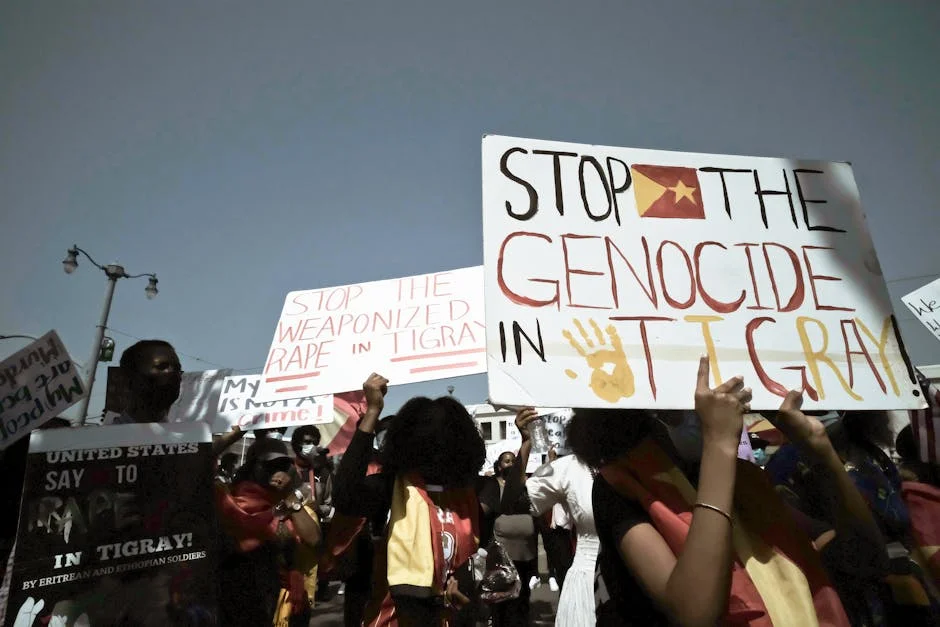
The Humanitarian Impact: A Growing Crisis
The renewed conflict threatens to exacerbate the humanitarian crisis in Tigray, where thousands of civilians are already struggling with food shortages and lack of medical care. According to the United Nations, over 5.5 million people in Tigray require urgent humanitarian assistance, and the situation has become increasingly dire with reports of famine-like conditions in some areas. This crisis not only affects Ethiopia but has implications for surrounding nations, including Nigeria, as regional instability can lead to increased migration and security challenges.
The Role of Governance and Regional Stability
The potential return to war raises serious questions about governance in Ethiopia and its impact on the African Union’s peacekeeping efforts. The AU has been actively involved in mediating the situation, but with the current escalation, their role may be further complicated. Political instability in Ethiopia can hinder progress towards the African Union's Agenda 2063, which aims for inclusive growth and sustainable development across the continent.
Impact on Broader Development Goals
As Ethiopia grapples with these challenges, the implications extend beyond its borders. The conflict could derail efforts to improve infrastructure, health, and education in the region, key components of the UN's Sustainable Development Goals (SDGs). Countries like Nigeria, which share economic ties with Ethiopia, could see repercussions in trade and investment. The instability can disrupt economic growth, making it harder for African nations to collaborate on development projects.
What Lies Ahead for Tigray and Ethiopia?
As the situation unfolds, observers are urged to watch for the international community's response. Diplomatic efforts from the AU and other global actors will be crucial in preventing further escalation. For Nigeria and other African nations, understanding the dynamics of Tigray politics is essential, as the developments here could have ripple effects throughout the continent.