In a poignant reminder of Ethiopia's turbulent past, female veterans of the Tigray conflict are sounding alarms against the potential resurgence of civil war. These women, who fought valiantly during the last civil war, are raising their voices to avert another devastating chapter in Ethiopia's history, warning that the current political tensions could spiral into violence once more.
Lessons from Tigray: The Voices of Female Veterans
The civil war in Tigray, which erupted in November 2020, caused widespread suffering and displacement. Many of those who experienced or fought in the conflict are now advocating for peace and reconciliation. Among them are women who played crucial roles, not only as combatants but also as caregivers and community leaders. Their experiences offer a unique perspective on the necessity of dialogue over conflict.
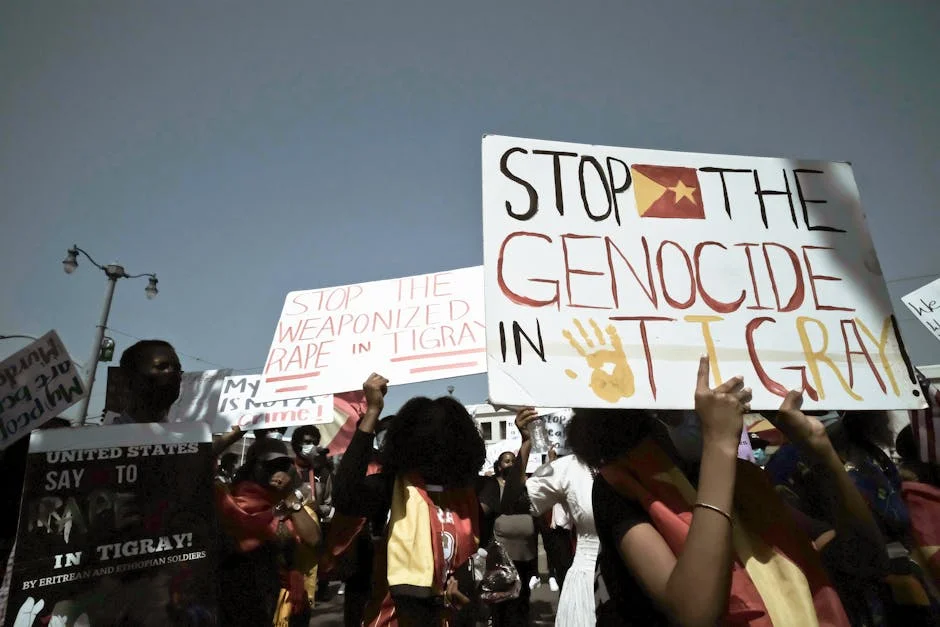
One former fighter, Aster Ibrahim, stated, "We fought for our rights and our people's dignity, but war brings only more suffering. The scars of the last conflict are still fresh; we must not let history repeat itself." Their warnings are underscored by the fact that Ethiopia's political landscape remains fraught with tensions that could ignite violence.
The Wider Impact of Tigray's Struggles on Africa
The struggles in Tigray extend beyond Ethiopia's borders, impacting regional stability and economic prospects across Africa. The conflict has exacerbated food insecurity and health crises, which are critical issues for African development goals. As the continent strives for sustainable development, the repercussions of unrest in one country can ripple through others, including Nigeria.
With Nigeria facing its own challenges, including economic instability and governance issues, any resurgence of conflict in Ethiopia could further strain resources and focus. Experts warn that a destabilised Ethiopia could lead to increased migration pressures and security challenges, affecting Nigeria's capacity to manage its own issues effectively.
Health and Education: The Long-Term Consequences of Conflict
The civil war in Tigray severely disrupted health services and educational access, which are essential components of development. Many healthcare facilities were destroyed or rendered inoperable, while schools closed, denying children their right to education. The long-term consequences of such disruptions can hinder not only Ethiopia's recovery but also its ability to contribute positively to the continent’s development.
With the African Union's Agenda 2063 focusing on silencing the guns and promoting education and health, the experiences of Tigray must serve as a cautionary tale. The need for investment in infrastructure, health, and education in conflict-prone areas is imperative. If these issues are ignored, the cycle of violence and instability may continue.
Governance: Navigating the Path to Peace
Effective governance is crucial for preventing the recurrence of conflict. The Ethiopian government's recent attempts to engage in dialogue with various factions, including those in Tigray, are steps in the right direction. However, the path to sustainable peace requires more than negotiations; it mandates the inclusion of all voices, particularly those of women who have experienced the horrors of war firsthand.
As Ethiopia navigates its complex political landscape, the role of women, especially veterans, must be amplified. Their insights can help bridge divides and foster understanding among conflicting parties. The African Union and international partners must support initiatives that promote inclusive governance, which will ultimately contribute to long-term peace and development.
What’s Next for Ethiopia and the Region?
As tensions continue to simmer in Ethiopia, the international community should watch closely. The warnings from Tigray's female veterans highlight the necessity for proactive measures to prevent a slide into renewed conflict. Efforts to promote dialogue, rebuild communities, and invest in education and health will be vital.
The situation in Tigray serves as a reminder of the interconnectedness of African nations. What happens in Ethiopia has implications for Nigeria and beyond. A collective effort is required to foster stability and development across the continent, ensuring that the voices of those who have suffered are heard and heeded.