As tensions escalate in Ethiopia, concerns mount over the potential for renewed conflict in Tigray. The situation is unfolding amid a backdrop of fragile peace agreements and ongoing humanitarian challenges affecting millions.
Renewed Hostilities: The Current Situation in Tigray
In recent weeks, reports have emerged indicating that Ethiopian federal forces are clashing with Tigrayan fighters, raising alarm bells across the region. The clashes reportedly began in early October 2023, after a period of relative calm following the ceasefire agreement signed in November 2022. As both sides engage in hostilities, the fragile peace that many hoped would lead to recovery and reconstruction is at risk.
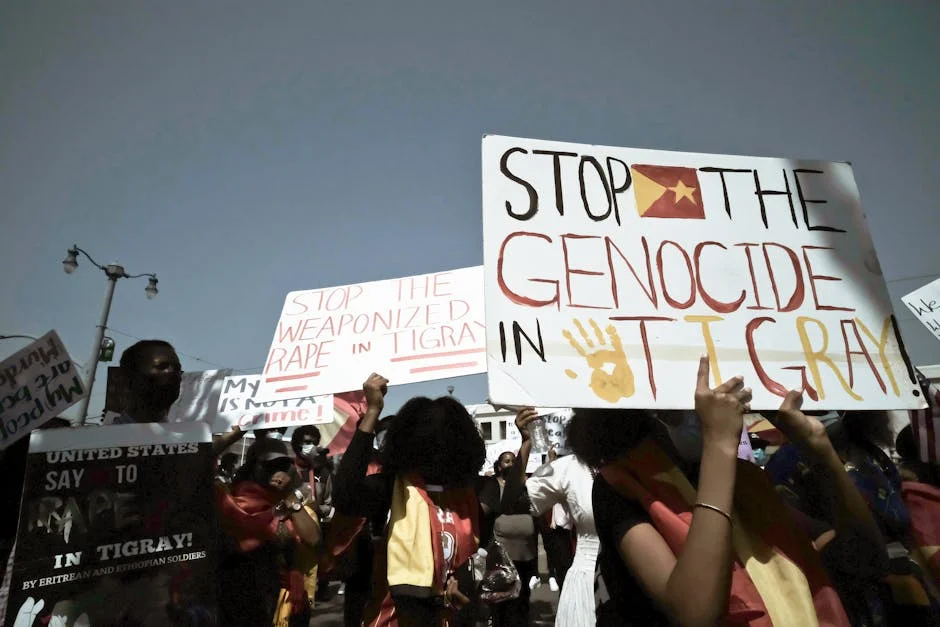
The Historical Context of the Tigray Conflict
The Tigray conflict, which erupted in November 2020, has resulted in a humanitarian crisis of immense proportions, with millions displaced and in dire need of assistance. The Ethiopian government, led by Prime Minister Abiy Ahmed, has faced criticism for its handling of the conflict, which many argue has deepened ethnic divisions and undermined national unity. With the Tigray People's Liberation Front (TPLF) regaining some military strength, analysts warn that the possibility of reverting to full-scale warfare remains high.
How Renewed Conflict Could Impact African Development Goals
Renewed hostilities in Ethiopia pose significant risks not only for the nation but for broader regional stability and development across East Africa. The African Union (AU) has articulated a vision of a peaceful continent that fosters economic growth, health, education, and governance. However, ongoing conflicts undermine these objectives by diverting resources away from critical development initiatives and exacerbating the humanitarian crises faced by affected populations.
Continental Challenges: Governance and Economic Growth at Risk
In the wake of the Tigray conflict, challenges surrounding governance and economic stability have intensified. Ethiopia, often viewed as a cornerstone for economic growth in the Horn of Africa, now faces a precarious situation where international investors may hesitate to engage due to instability. This reluctance could stymie efforts to achieve sustainable development, particularly in sectors like infrastructure and health, which are crucial for improving living standards.
Opportunities for Peace and Development Amidst Turmoil
Despite the grim outlook, there remains an opportunity for dialogue and reconciliation. Stakeholders, including local civil society organisations and international partners, could play a pivotal role in facilitating negotiations between conflicting parties. Initiatives aimed at rebuilding trust and addressing underlying grievances could aid in stabilising the region and aligning with the African Union's development agenda, which prioritises peace as a foundation for growth.
The situation in Ethiopia is a critical reminder of the interconnectedness of governance, conflict, and development across Africa. As the continent continues to grapple with significant challenges, the need for collaborative approaches to conflict resolution and development remains paramount. Stakeholders must watch closely as Ethiopia navigates these turbulent waters, ensuring that the lessons learned can help inform broader strategies for peace and prosperity across the continent.