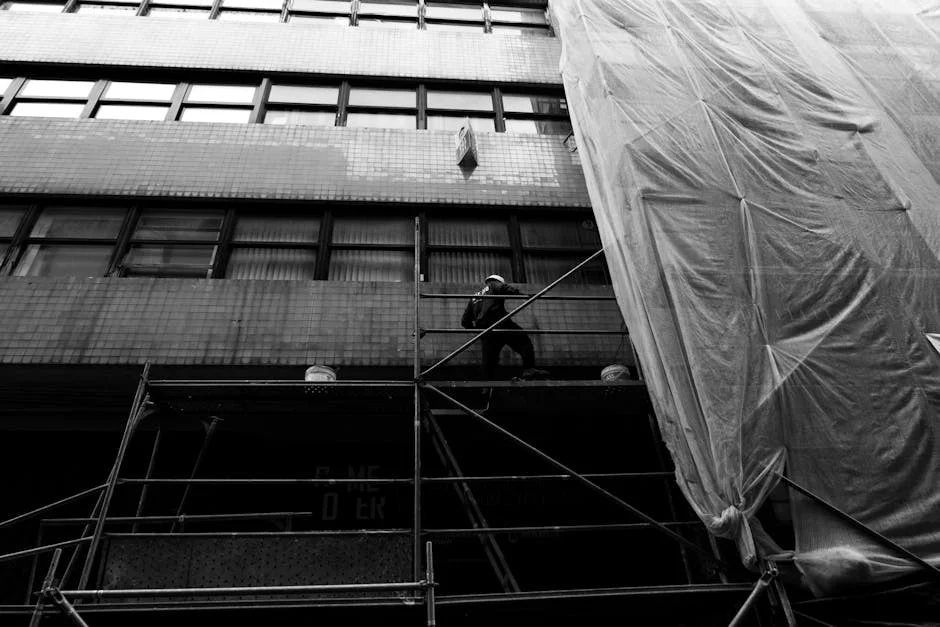
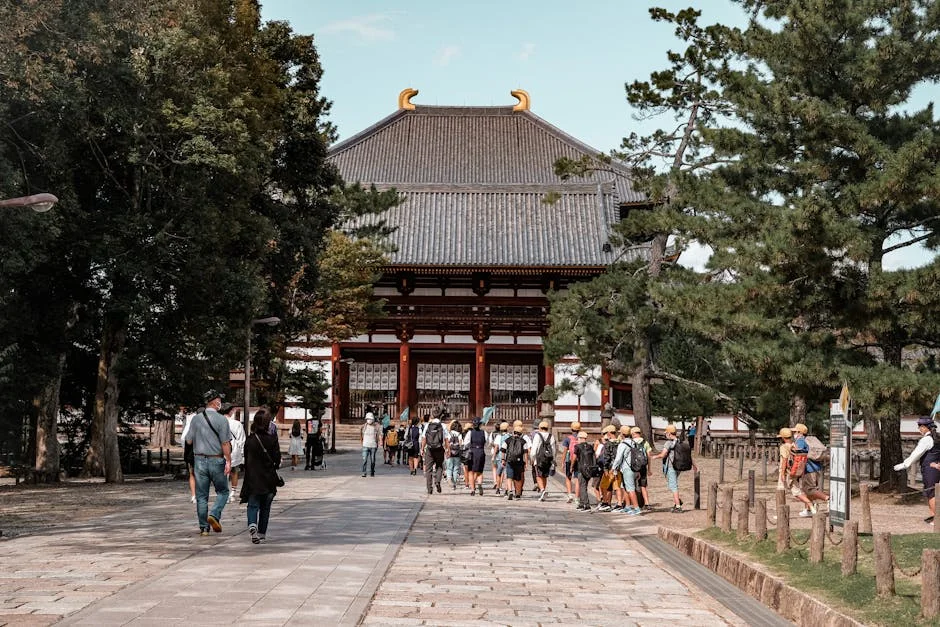
The renowned Convento de Cristo in Tomar and the Mosteiro da Batalha will reopen their doors to the public this Friday, following extensive renovations aimed at preserving these vital cultural landmarks. This development comes at a time when the preservation of African heritage sites is increasingly crucial to the continent's socio-economic growth.
Significance of the Reopening for Cultural Heritage
The reopening of these monumental sites not only showcases the commitment to maintaining cultural heritage in Portugal but also presents a parallel to the ongoing efforts across Africa to safeguard its rich history. With many African nations facing challenges related to preserving their cultural sites, the situation underscores the need for targeted investments in infrastructure and heritage management.
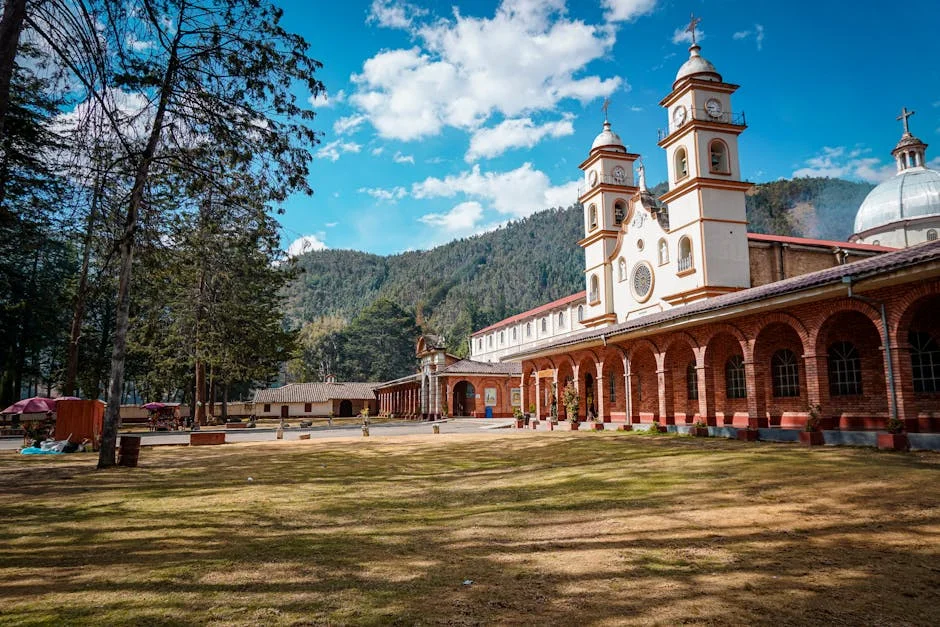
Exploring the Economic Benefits of Heritage Tourism
Heritage tourism is a significant contributor to economic growth, with the Convento de Cristo and Mosteiro da Batalha attracting thousands of visitors annually. The reopening is expected to boost local economies, a model that many African countries can emulate. For instance, sites like the Great Zimbabwe and the Pyramids of Giza could enhance their local economies through similar strategies focused on cultural tourism.
Infrastructure Development and Governance in Cultural Preservation
While the renovation of these monuments is a positive step, it highlights the broader issues of governance and infrastructure development. Many African countries grapple with inadequate infrastructure that hampers the preservation of their own cultural sites. Effective governance is key to addressing these challenges and ensuring that such heritage sites can thrive and contribute to national identities and economies.
Health and Education: The Overlooked Aspects of Cultural Sites
Additionally, the reopening of these sites brings to light the interconnectedness of health, education, and cultural preservation. In Africa, educational programmes focused on local history and culture could promote awareness and pride in heritage, further driving the importance of these sites in community health and social cohesion. Moreover, ensuring that local populations benefit from the economic activities surrounding these sites can help improve health outcomes through enhanced access to resources.
Looking Ahead: Monitoring the Impact of Tourism on Local Communities
As the Convento de Cristo and Mosteiro da Batalha reopen, it will be crucial to monitor the impact of increased tourism on local communities. In Africa, similar initiatives should consider the socio-economic implications for surrounding areas, ensuring that benefits are equitably distributed. The lessons learned from Portugal may serve as a valuable guide for African nations striving to balance heritage preservation with economic development, aiming for a future where culture and growth go hand in hand.