In a significant move, China has announced plans to accelerate the integration of artificial intelligence (AI) into its real economy, aiming to boost productivity and drive economic growth. This initiative, revealed last week during a high-level government summit in Beijing, has raised interest across the globe, particularly in Africa, where nations like Nigeria are assessing the implications of this technological shift.
China's Strategic Focus on AI Integration
China's government has outlined a comprehensive framework to embed AI technologies across various sectors, including agriculture, manufacturing, and healthcare. By leveraging AI, China aims to enhance operational efficiencies, reduce costs, and improve decision-making processes. This strategic push aligns with the country's broader goals to transition from a manufacturing-heavy economy to one that is more knowledge-driven and technology-oriented.
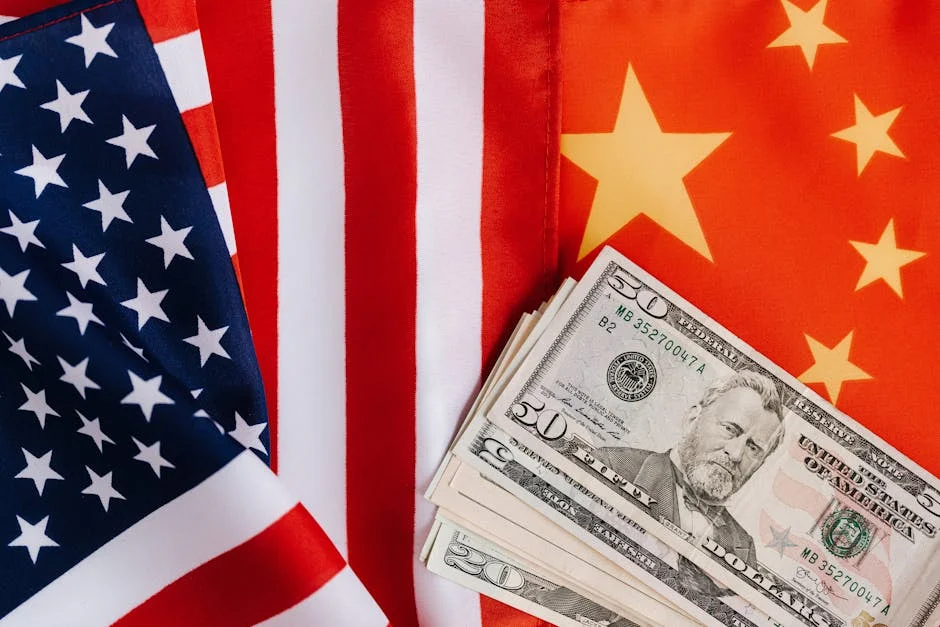
How China Affects Nigeria's Development Goals
For Nigeria, the implications of China's AI initiative are profound. As Africa's largest economy, Nigeria has set ambitious development goals including technological advancement and industrialisation. Collaborating with China, which has long been a key partner in infrastructure development, could provide Nigeria with the necessary tools and expertise to enhance its own AI capabilities. This partnership could accelerate Nigeria's progress towards achieving its Sustainable Development Goals (SDGs), particularly in areas such as education and healthcare.
Continental Challenges and Opportunities in the AI Sector
Despite the potential benefits, there are significant challenges that African nations must navigate. Infrastructure deficits, limited access to technology, and a lack of skilled personnel in AI and related fields could hinder progress. However, the growing interest from China in investing in African technology ecosystems presents an opportunity for knowledge transfer and capacity building. Countries like Nigeria could leverage this interest to develop local talent and foster innovation.
Potential Economic Growth Driven by Technology
The economic implications of AI integration are noteworthy. The World Economic Forum has reported that AI could contribute up to $15.7 trillion to the global economy by 2030. For Nigeria, tapping into this potential could mean the creation of new jobs, enhancement of productivity across sectors, and overall economic growth. The challenge will be to ensure that this growth is inclusive and sustainable, benefiting the wider population rather than a select few.
Governance and Policy Implications of AI Integration
As Nigeria considers its approach to AI, governance and policy will be critical. Policymakers must establish frameworks that not only promote innovation but also address ethical concerns related to AI implementation. Ensuring that AI technologies are developed and used responsibly will be essential to building public trust and maximising the benefits for society.
Looking Ahead: What to Watch For
In the coming months, it will be crucial for Nigeria and other African nations to closely monitor China's AI integration efforts. Collaborative initiatives, such as joint ventures in technology development and training programs, could emerge. Moreover, the effectiveness of governance frameworks in managing AI will also be a key focus. How African governments adapt to these changes will significantly influence their ability to harness the opportunities presented by AI.