For over two months, fishermen in Carrasqueira, Portugal, known as Pescadores, have been unable to fish due to a combination of environmental and regulatory challenges. This ongoing crisis not only affects local livelihoods but also sheds light on broader implications for other regions, including Nigeria, grappling with similar issues.
Pescadores' Struggles: A Local Crisis
Since early August 2023, the Pescadores de Alcácer do Sal have faced a significant fishing ban, severely impacting their daily lives and the local economy. The ban, primarily attributed to rising pollution levels in the Sado River, has left these fishermen with no means of sustenance. Local government authorities have cited environmental protection regulations aimed at restoring fish populations as the reason for the drastic measures.
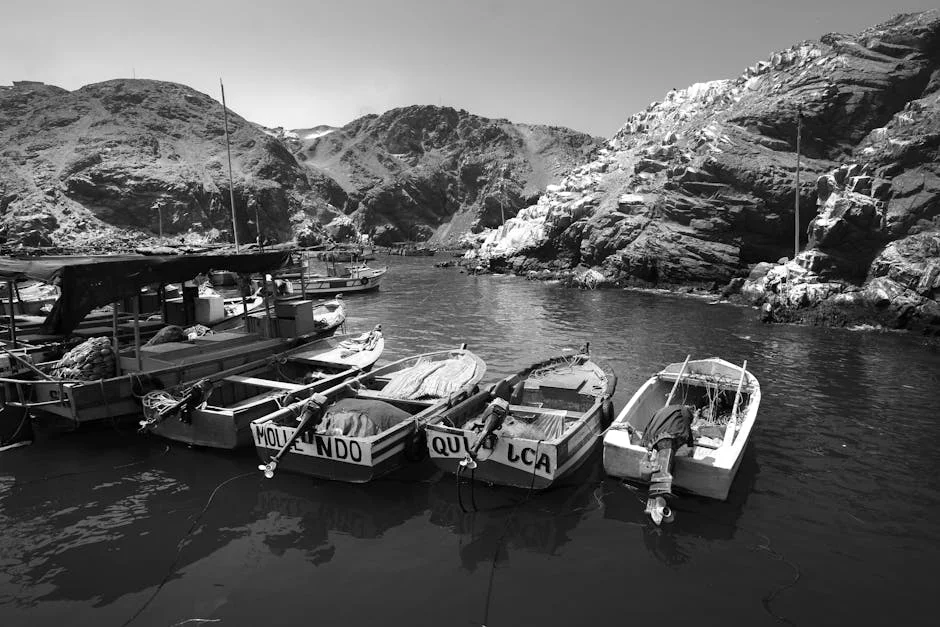
Environmental Factors at Play
The Sado River, a crucial habitat for many fish species, has been under severe stress from industrial discharge and agricultural runoff. As pollutants continue to accumulate, the local ecology is threatened, leading to calls for stringent regulations. This dilemma echoes across the African continent, where similar challenges are exacerbated by weak governance and inadequate infrastructure.
Implications for Sustainable Development Goals
This situation in Carrasqueira highlights pressing issues related to the United Nations’ Sustainable Development Goals (SDGs), particularly Goal 14, which focuses on life below water. The fishermen's plight is a stark reminder of the delicate balance that must be maintained between economic activity and environmental sustainability. For regions like Nigeria, where fishing is a vital component of both nutrition and livelihood, the implications are significant. Poor environmental management can hinder efforts towards economic growth and food security, two critical development goals.
Linking Local Challenges to Global Perspectives
As Carrasqueira's fishermen struggle, the lessons learned can be pivotal for countries like Nigeria, which faces similar environmental and economic challenges. Nigeria's fishing communities often experience the effects of overfishing and pollution, which threaten both their livelihoods and the local ecosystems. The Carrasqueira situation serves as a case study for the importance of sustainable practices in natural resource management and can inform policies aimed at improving governance and infrastructure in Nigeria.
Future Considerations: What Lies Ahead?
As the fishing ban continues in Carrasqueira, observers are keenly watching how the local authorities will navigate this crisis. Will they implement effective measures to restore the river’s health while also safeguarding the livelihoods of the Pescadores? This situation could potentially serve as a model for Nigeria and other African nations facing environmental degradation and its consequences. Stakeholders must pay close attention to how local policies can evolve to prevent such crises, ensuring that development goals are met without sacrificing environmental integrity.