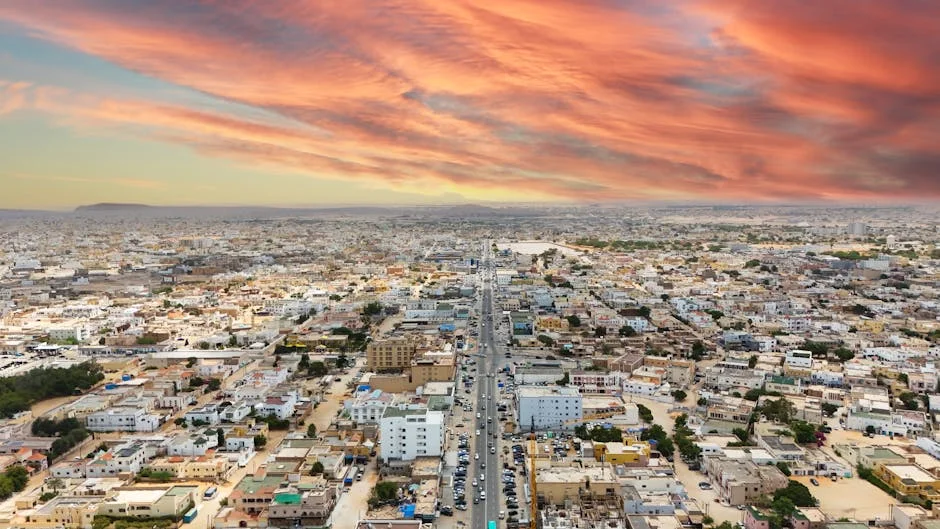
In a striking video, Cape Town's rental market is in the spotlight as viewers are left questioning how to access a peculiar apartment in Sea Point. The footage highlights the challenges of finding affordable housing in a city increasingly known for its whimsical yet impractical rental options.
Rising Rental Costs in Cape Town: A Closer Look
As South Africa grapples with an ongoing housing crisis, Cape Town stands out as a microcosm of these broader challenges. Rental prices in the city have surged in recent years, with the average cost of a one-bedroom apartment in Sea Point now exceeding R12,000 per month. This spike raises significant concerns regarding affordability and accessibility for local residents.
Why This Apartment is Causing a Stir
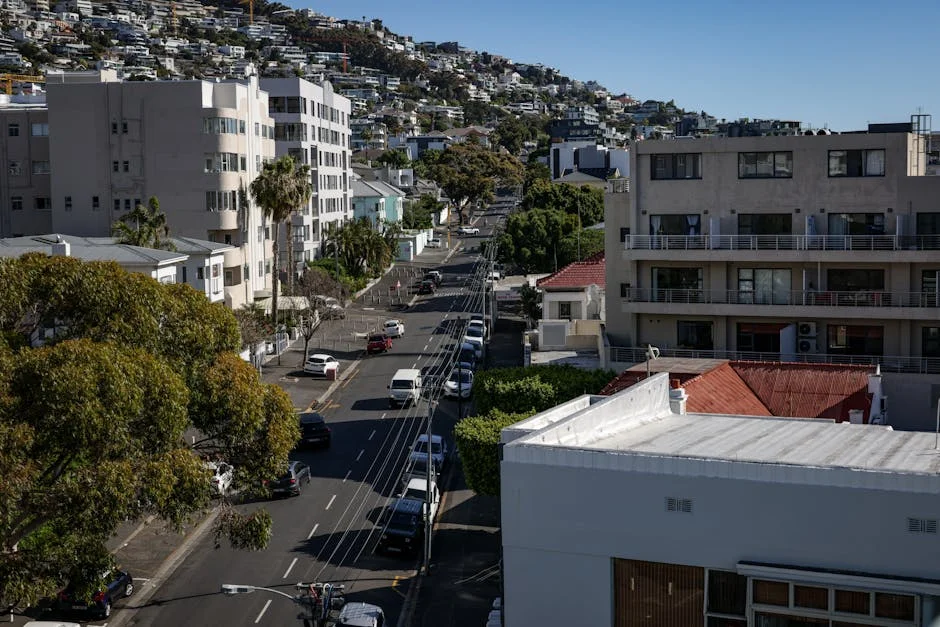
The recent video showcasing an unconventional rental apartment in Sea Point has gone viral, due in part to its perplexing design. Prospective tenants are left wondering how they would even enter the space, prompting discussions about the eccentricities of modern living in urban South Africa. Such bizarre rental listings reflect a growing trend where landlords are prioritising aesthetics over functionality, further alienating potential renters.
The Impact on Cape Town's Communities
The peculiarities of Cape Town's rental market not only expose individual challenges in housing but also underscore the wider implications for community cohesion and economic growth. As the city becomes increasingly gentrified, long-time residents are being pushed out, leaving a growing divide between affluent newcomers and established communities. This shift raises questions about governance and equitable development in line with African development goals.
Government Response and Future Directions
In response to the alarming rise in rental prices and the unique nature of properties being advertised, local authorities have begun to explore initiatives aimed at regulating the rental market. These efforts could include the implementation of rent caps or greater scrutiny of housing developments to ensure they meet the needs of all citizens. However, these actions must be coupled with broader infrastructural and educational strategies to address the root causes of urban housing challenges.
What Lies Ahead for Cape Town?
As Cape Town continues to wrestle with its housing crisis, the attention garnered by this bizarre apartment serves as a catalyst for broader discussions about urban living in Africa. The city must navigate the delicate balance between attracting investment and preserving the socio-economic diversity that characterises its vibrant communities. Moving forward, stakeholders must work collaboratively to ensure that the rental market evolves to support sustainable growth, aligning with both local needs and continental development goals.