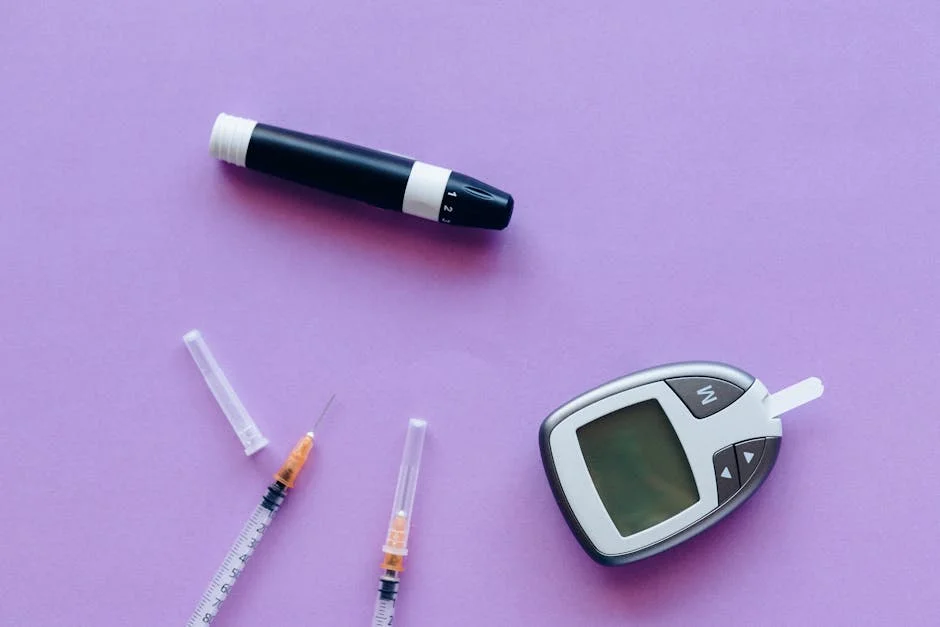
A mother from Alberton is turning her grief into action after losing a crucial bursary when her two-year-old daughter was diagnosed with kidney cancer. The devastating news not only impacted her family but also sparked a wave of community support, highlighting the ongoing struggles many families face in accessing healthcare and education in South Africa.
Community Solidarity in the Face of Adversity
When Sarah Nkosi's daughter was diagnosed with Wilms tumour, a type of kidney cancer, her life was turned upside down. The diagnosis came just weeks before she was set to receive a bursary for furthering her education, a financial lifeline that quickly slipped away as her focus shifted to her child's health. Unable to pursue her studies and grappling with the costs of medical treatment, Sarah found herself in a desperate situation.
However, the local community rallied around Sarah, launching fundraising initiatives to support her family through this challenging time. Local businesses, schools, and residents stepped up, demonstrating the power of solidarity and collective action in addressing personal crises. This support network not only helped Sarah manage her daughter's medical expenses but also highlighted the critical need for stronger healthcare and educational infrastructure in African communities.
Implications for Healthcare Access in Africa
Sarah's story is a poignant reminder of the broader challenges faced by families across the continent when it comes to accessing quality healthcare. According to a recent report from the World Health Organization, around 50% of Africans still lack access to essential health services. This gap poses significant barriers to the achievement of the African Union's Agenda 2063 goals, particularly in relation to health and well-being.
With rising healthcare costs and inadequate insurance coverage, many families find themselves in situations similar to Sarah's—forced to choose between education and urgent medical care. The need for comprehensive reform in healthcare policies and investment in community health programmes is more pressing than ever.
The Role of Education in Building Resilience
Education is a fundamental pillar for development in Africa, yet it remains out of reach for many. Losing educational opportunities due to unforeseen health crises, as Sarah did, can have long-lasting effects on individuals and their communities. The intersection of health and education underlines the necessity for integrated approaches that enhance resilience against such shocks.
In Sarah's case, her community's response exemplifies the potential for local initiatives to fill gaps left by governmental support. However, these initiatives must be sustained and scaled to truly make a difference. By investing in educational programmes that equip families with knowledge about health management, we can foster an environment where children are not forced to sacrifice their education for medical emergencies.
Looking Ahead: Opportunities for Policy Change
As Sarah continues to navigate the challenges posed by her daughter's illness, her experience serves as a call to action for policymakers. The African Union and national governments must prioritise the development of robust health and educational systems that can withstand such challenges. Investment in health infrastructure, combined with educational reforms that address these intersections, can lead to greater economic growth and improved quality of life for all citizens.
Moreover, Sarah's journey is a testament to the resilience of African communities. For countries like Nigeria and South Africa, focusing on these dual aspects of development is not just an opportunity; it is an imperative. By ensuring that no family has to face such hardships alone, we can create a brighter future for the next generation.