On March 2, 2026, key developments across the African continent highlight the urgency of addressing critical challenges in development, governance, and infrastructure. From Nigeria's economic reform efforts to educational initiatives in East Africa, this coverage offers insights into why Africa matters today.
Nigeria's Economic Reform Efforts
In recent weeks, Nigeria has unveiled a series of economic reforms aimed at stabilising its currency and revitalising its ailing economy. With inflation rates soaring and unemployment levels reaching alarming heights, the government has pledged to enhance fiscal discipline and encourage foreign investment. Economic analysts are closely watching these reforms, as their success could play a pivotal role in achieving Nigeria's long-term development goals.

Healthcare Innovations Amidst Challenges
Across the continent, healthcare remains a pressing concern, especially in the wake of the COVID-19 pandemic. Countries like Kenya and Ghana are implementing innovative health technologies to improve access to care. For instance, Kenya's mobile health initiatives are making strides in remote regions, significantly enhancing maternal health services. These advancements not only contribute to better health outcomes but also align with the African Union's Agenda 2063, which aims for universal health coverage.
Investment in Infrastructure
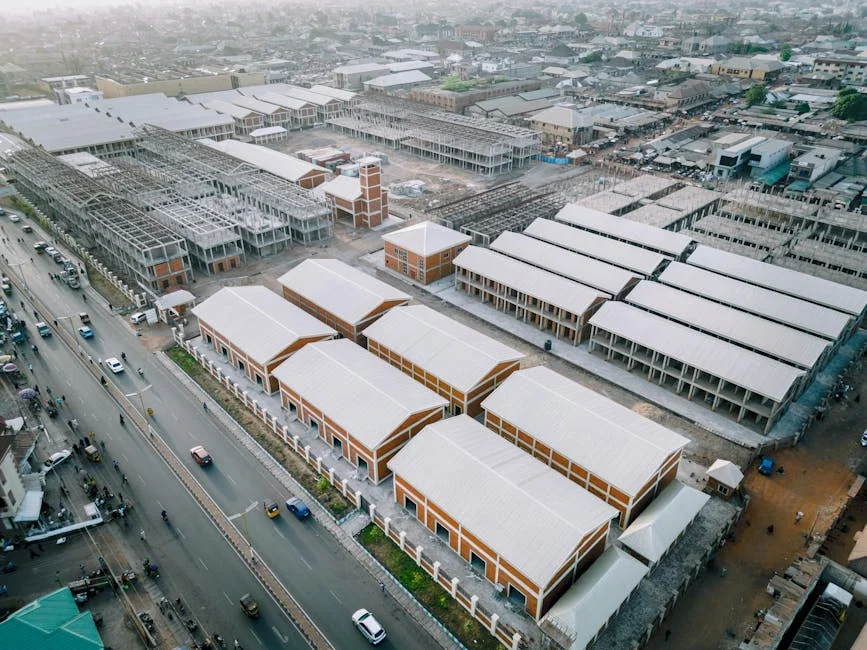
Infrastructure development is critical to unlocking Africa's economic potential. Major projects, such as the East African Railways revival and Nigeria's ongoing road construction initiatives, aim to improve connectivity and trade. The African Development Bank has pledged significant funding for these projects, recognising that robust infrastructure is essential for economic growth and poverty alleviation. As these initiatives take shape, they present opportunities for job creation and increased regional trade.
Educational Initiatives Reshaping Futures
Education remains a cornerstone for sustainable development in Africa. Recent reports show a surge in investment in educational technology and resources, particularly in Southern Africa. Countries like South Africa and Zimbabwe are adopting digital learning platforms to enhance educational access and quality. This focus on education is vital as it prepares the next generation to tackle the continent's challenges and contribute to its growth.
Governance and Political Stability: A Continual Challenge
Political stability is a significant factor influencing development across Africa. Recent elections in several countries have highlighted the ongoing struggles with governance. As seen in Somalia, where the government is working to establish a stable political environment amidst ongoing conflict, the need for effective governance cannot be overstated. Strong institutions and transparent governance are essential for attracting investment and fostering economic growth.
Opportunities for Regional Cooperation
As Africa grapples with its challenges, there is an emerging consensus on the need for greater regional cooperation. The African Continental Free Trade Area (AfCFTA) is a significant step towards economic integration, allowing member states to enhance trade and bolster economies. This initiative exemplifies how collective action can pave the way for sustainable development, addressing not only economic disparities but also fostering political collaboration across borders.
As we look to the future, the developments highlighted today reflect a complex landscape of opportunity and challenge for Africa. Stakeholders must remain vigilant and proactive in addressing these issues to ensure a brighter future for the continent.