The African National Congress (ANC) of South Africa recently held a symbolic ceremony to honor Mosiuoa Lekota, a former leader and co-founder of the party, marking a rare moment of reconciliation amid ongoing political tensions. The event, held in Johannesburg on 15 October 2023, underscored the complexities of African political dynamics and their ripple effects on regional development goals. Lekota, who split from the ANC in 2008 to form the Congress of the People (COPE), has long been a polarizing figure, but his recognition by the ANC highlights broader challenges in governance and unity across the continent.
A Rare Gesture of Unity
The ANC’s decision to honor Lekota, despite his past opposition, signals a strategic effort to mend internal divisions. During the ceremony, ANC Deputy President Cleopas Masango praised Lekota’s “patriotic contributions” to South Africa’s liberation struggle, stating, “Reconciliation is vital for Africa’s progress.” This move comes as the ANC faces pressure to address corruption scandals and declining public trust, with analysts suggesting the gesture aims to project stability ahead of the 2024 national elections. However, critics argue that such gestures risk overshadowing systemic issues like inequality and service delivery failures.
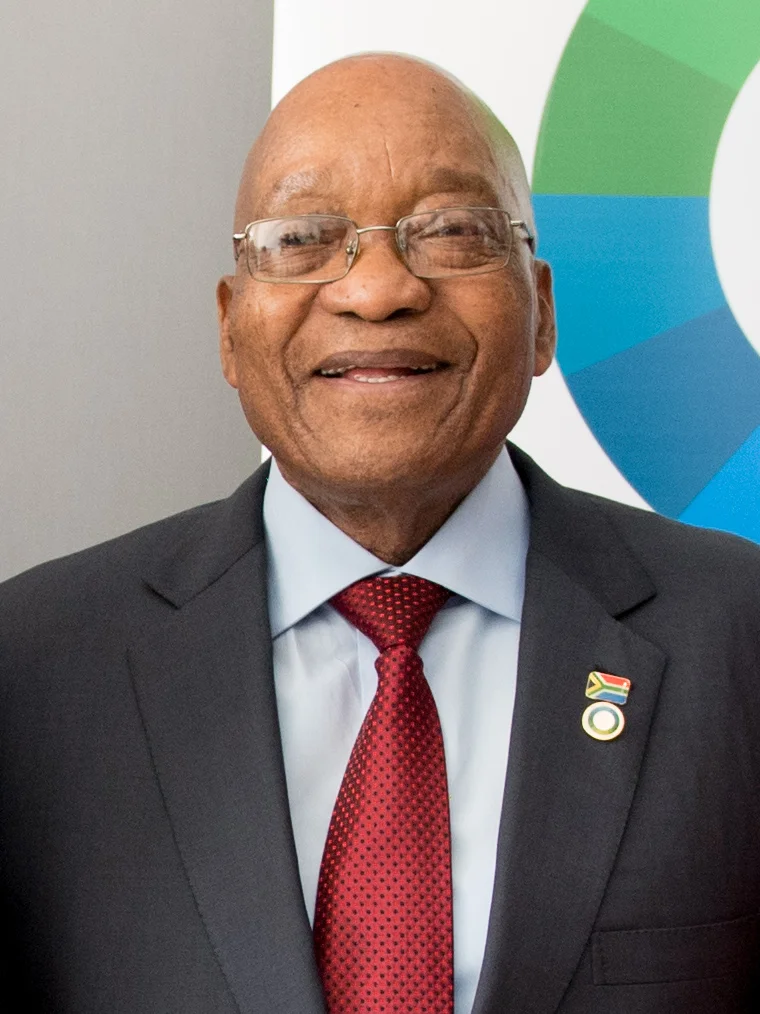
Lekota’s political career, marked by both ambition and controversy, reflects the broader challenges of African leadership. His 2008 split from the ANC, driven by disagreements over governance and corruption, led to the formation of COPE, which initially gained traction but later faltered. The ANC’s recent acknowledgment of his role underscores the importance of dialogue in African politics, a principle aligned with the African Union’s Agenda 2063, which emphasizes peace and cooperation for sustainable development.
Lekota’s Legacy and Political Impact
For many South Africans, Lekota remains a symbol of both idealism and disillusionment. His advocacy for social justice and anti-corruption resonates with younger generations, yet his inability to translate political capital into tangible reforms has drawn criticism. “Lekota’s story is a microcosm of Africa’s struggle to balance idealism with practical governance,” says Dr. Noma Dlamini, a political scientist at the University of Cape Town. “His reintegration into the ANC narrative highlights the need for inclusive policies that address grassroots concerns.”
The event also reignites debates about the role of opposition figures in shaping Africa’s development. While Lekota’s influence has waned, his legacy continues to inform discussions on political accountability. In Nigeria, where governance challenges mirror South Africa’s, analysts note that Lekota’s journey offers lessons on the risks of factionalism. “How Mosiuoa Lekota affects Nigeria is through the lens of leadership accountability,” says political commentator Chidi Okonkwo. “His story reminds us that unity is not just symbolic but a prerequisite for economic growth.”
Implications for African Governance
The ANC’s gesture aligns with global calls for African nations to prioritize reconciliation and inclusive governance. Agenda 2063’s focus on “a peaceful and united Africa” echoes the need for political leaders to transcend personal ambitions for collective progress. However, critics argue that symbolic acts alone cannot address structural issues like poverty or healthcare gaps. “Reconciliation must be paired with concrete policies,” says Kenya’s former Minister of State for Planning, Njuguna Ndung’u. “Africa’s development goals require more than rhetoric.”
For Nigeria, where political divisions often hinder progress, Lekota’s story serves as a cautionary tale. The country’s struggle with corruption and underdeveloped infrastructure mirrors challenges faced by South Africa, underscoring the need for cross-border collaboration. As African nations grapple with these issues, the ANC’s decision to honor Lekota may inspire similar efforts to bridge divides, provided they are accompanied by actionable reforms.
Public Reaction and National Dialogue
The ceremony sparked mixed reactions across Africa. While some praised the ANC for fostering unity, others questioned its timing, given the party’s ongoing struggles with corruption allegations. Social media platforms buzzed with debates, with hashtags like #LekotaHonour and #AfricaReconciliation trending. In Nigeria, where political polarization remains high, the event prompted discussions on how to replicate such gestures domestically. “What is Lekota?” asked a viral tweet. “A cautionary tale or a beacon of hope?”
Public sentiment highlights the delicate balance between symbolism and substance. For African development, the true test lies in translating such moments into policies that address systemic inequities. As the continent moves toward 2063, the ANC’s tribute to Lekota serves as a reminder that political reconciliation, while essential, must be coupled with tangible progress in health, education, and economic growth.
Looking Ahead: Lessons for Pan-Africanism
The event underscores the importance of learning from historical figures to build a more cohesive Africa. For Nigeria and other nations, Lekota’s story offers insights into the consequences of political fragmentation and the potential of unity. As African leaders convene at forums like the AU summit, the ANC’s actions may encourage a renewed focus on collaborative governance. “How Mosiuoa Lekota affects Nigeria and the continent depends on our willingness to prioritize people over power,” says Dr. Amina Jallow, a pan-Africanist scholar.
With 2024 looming as a critical year for elections across Africa, the ANC’s gesture could set a precedent for reconciliation. However, without addressing deeper challenges like unemployment and climate resilience, symbolic acts risk remaining hollow. For African development, the path forward lies in ensuring that moments of grace translate into enduring progress.