Iran’s Bushehr Nuclear Power Plant, the country’s first commercial nuclear facility, was struck by a missile in a suspected sabotage attack, according to reports from Channels Television and the Islamic Republic’s state media. The incident, which occurred amid heightened regional tensions, has drawn condemnation from the United Nations, which warned of potential “catastrophic consequences” for regional stability. The attack underscores the fragility of nuclear infrastructure in conflict zones and raises questions about global energy security, a key pillar of African development goals.
Regional Security and Nuclear Risks
The Bushehr plant, located on the Persian Gulf coast, has long been a focal point of international scrutiny. Operated by Russia under a 2015 agreement, it has faced repeated threats from opposition groups and state actors. The latest attack, attributed to unknown perpetrators, has intensified fears of nuclear proliferation and environmental disasters. For African nations, the incident highlights the risks of relying on foreign energy infrastructure, a challenge exacerbated by the continent’s growing demand for power to meet Sustainable Development Goals (SDGs) 7 (affordable energy) and 13 (climate action).
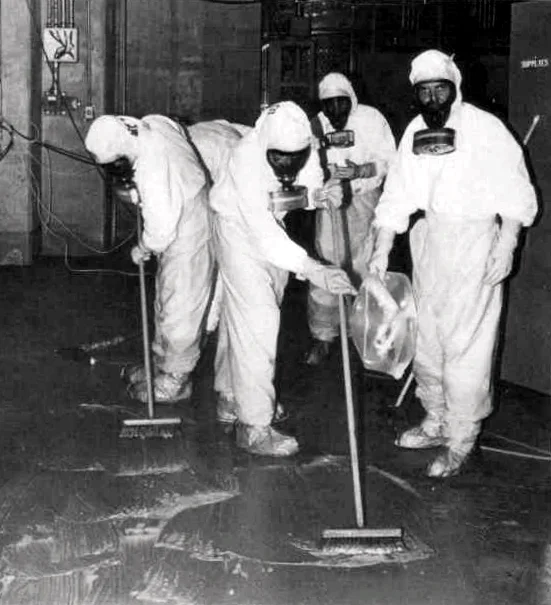
UN officials emphasized that nuclear accidents in volatile regions could have transboundary impacts, affecting air and water quality across continents. This resonates with Africa’s efforts to balance economic growth with environmental sustainability, as many countries invest in energy projects without robust safety frameworks.
Energy Infrastructure and Development Gaps
Africa’s energy deficit remains one of its most pressing challenges, with over 600 million people lacking access to electricity. While some nations explore nuclear energy as a solution, the Bushehr incident serves as a cautionary tale. Nigeria, for instance, has expressed interest in nuclear power to boost its industrial base, but experts warn that without stringent safety protocols, such projects could face similar risks. The attack also complicates international partnerships, as donor nations may hesitate to fund infrastructure projects in regions with political instability.
The incident has further strained Iran’s relations with global powers, complicating efforts to revive the 2015 nuclear deal. For Africa, this highlights the interconnectedness of geopolitical conflicts and development outcomes, as sanctions and regional conflicts often divert resources from critical sectors like healthcare and education.
Economic Implications and Global Markets
The missile strike disrupted Iran’s energy exports, sending shockwaves through global markets. As a major oil producer, Iran’s instability affects commodity prices, indirectly impacting African economies that rely on affordable energy imports. The UN’s call for de-escalation aligns with broader goals to stabilize global supply chains, a priority for African nations seeking to attract foreign investment and reduce poverty.
Analysts note that the attack could accelerate Africa’s push for renewable energy, as countries seek alternatives to fossil fuels and nuclear power. Solar and wind projects, supported by international funding, are gaining traction, offering a safer path to energy independence. However, the Bushehr crisis underscores the need for stronger international cooperation to prevent conflicts from derailing development progress.
What’s Next for Iran and the Global Community?
The UN Security Council is expected to convene an emergency session to address the crisis, with calls for an independent investigation into the attack. Meanwhile, Iran faces mounting pressure to ensure the safety of its nuclear facilities, a challenge that mirrors the governance issues plaguing many African states. For the continent, the event serves as a reminder of the delicate balance between pursuing energy security and mitigating geopolitical risks.
As Africa continues to navigate its development trajectory, the Bushehr incident underscores the importance of resilience in infrastructure, transparency in governance, and collaboration with global partners. The path forward requires not only technological innovation but also a commitment to peace and stability, both regionally and internationally.
Frequently Asked Questions
What is the latest news about irans bushehr nuclear plant hit by missile un warns of regional fallout?
Iran’s Bushehr Nuclear Power Plant, the country’s first commercial nuclear facility, was struck by a missile in a suspected sabotage attack, according to reports from Channels Television and the Islamic Republic’s state media.
Why does this matter for economy-business?
The attack underscores the fragility of nuclear infrastructure in conflict zones and raises questions about global energy security, a key pillar of African development goals.
What are the key facts about irans bushehr nuclear plant hit by missile un warns of regional fallout?
Operated by Russia under a 2015 agreement, it has faced repeated threats from opposition groups and state actors.